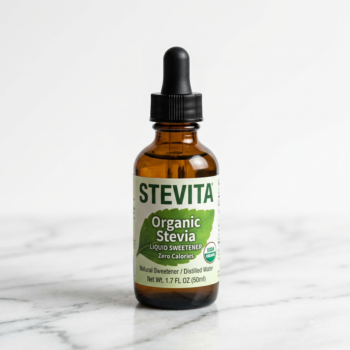
My daughter Mia has always been suspicious of anything that tastes sweet but “isn’t sugar.” She was nine when she first caught me stirring a mystery bottle into her oatmeal and demanded a full explanation. I told her the truth: I’d been trying to cut back on refined sugar for months, and I’d gone through maybe a dozen different sweeteners looking for one that didn’t leave a weird film on her tongue or a metallic edge that ruined the whole bowl. That morning I was testing Stevita’s organic liquid stevia — a small amber bottle that had arrived from a company I’d never heard of, with a label that mentioned Brazil. Mia tasted the oatmeal, looked at me suspiciously, and then went back for seconds. That was the beginning of a longer relationship with this product than I expected.
By Jen B. | Last updated: July 07, 2026
Quick Answer: Stevita Organic Stevia Liquid is a genuinely clean, USDA Organic liquid stevia from a Brazilian-heritage brand with decades of sourcing experience. It delivers a smooth, low-bitterness sweetness at roughly 2–4 drops per serving, and the 1.7 oz bottle holds up well for everyday use in coffee, tea, and baking. If you’re comparing it to US-produced alternatives like SweetLeaf or NuNaturals, Stevita holds its own on purity and flavor — and edges them on sourcing transparency. I recommend it without hesitation, especially if you care about where your stevia actually comes from.
First Impressions
The bottle is small. I want to say that upfront because it surprised me when it arrived — 1.7 fluid ounces sounds reasonable on paper, but in person it fits easily in the palm of your hand. The amber glass feels sturdy and pharmaceutical-grade, which I actually appreciated. A lot of liquid stevia comes in flimsy plastic that cracks at the threads within a few months.
The dropper is integrated into the cap, not a separate piece you screw in. This matters more than you’d think. With a one-piece dropper cap, you’re not fumbling with parts over your morning coffee or losing the pipette in the back of a drawer.
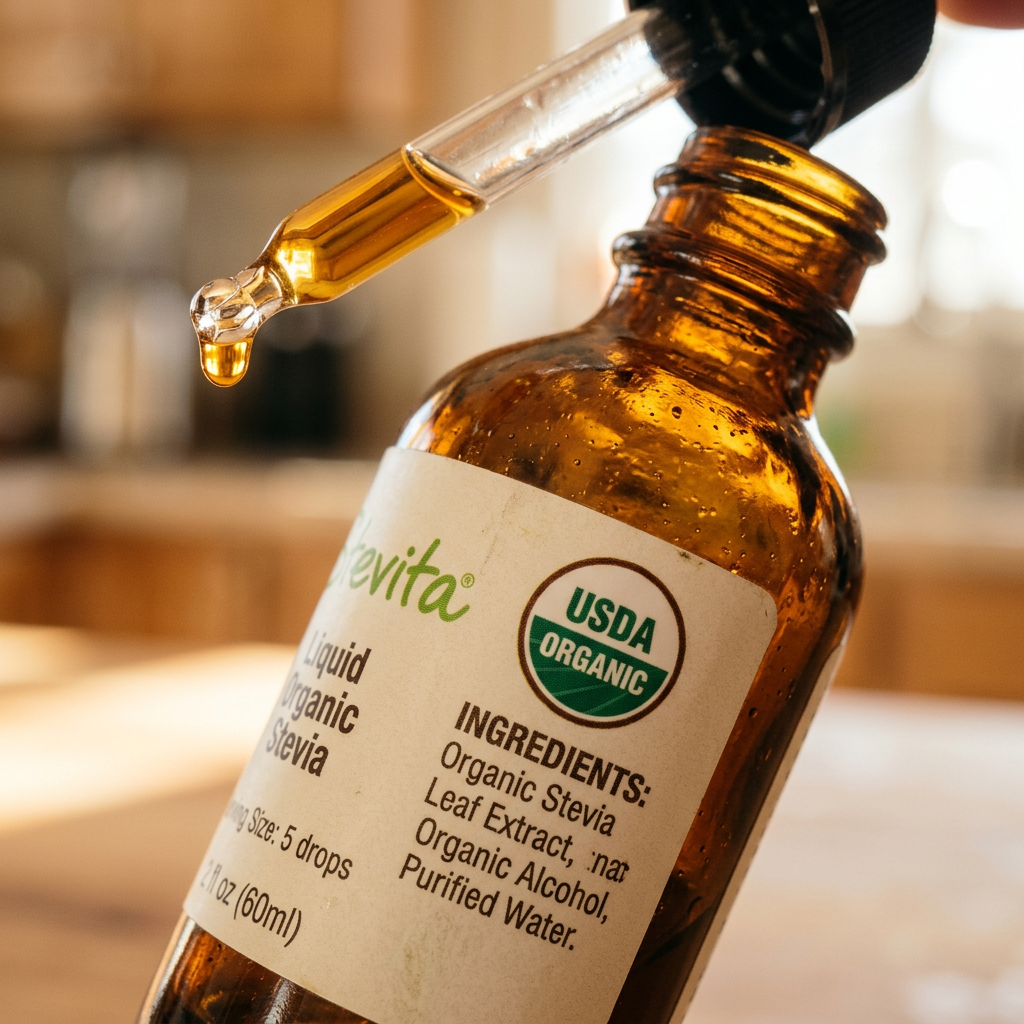
The label is bilingual — English and Portuguese — which telegraphs the brand’s Brazilian roots immediately. It lists the ingredients simply: organic stevia leaf extract, organic alcohol, purified water. Three ingredients. I’ve seen liquid stevias with six or seven, including various preservatives and “natural flavors” that never get explained further. Stevita doesn’t do that.
My first drop went into a small glass of sparkling water. The sweetness hit cleanly, without the licorice-adjacent aftertaste that trips up a lot of people on their first encounter with stevia. It wasn’t the same as sugar — nothing ever quite is — but it was the closest I’d gotten to a neutral sweet note in a liquid extract.
What Makes It Different
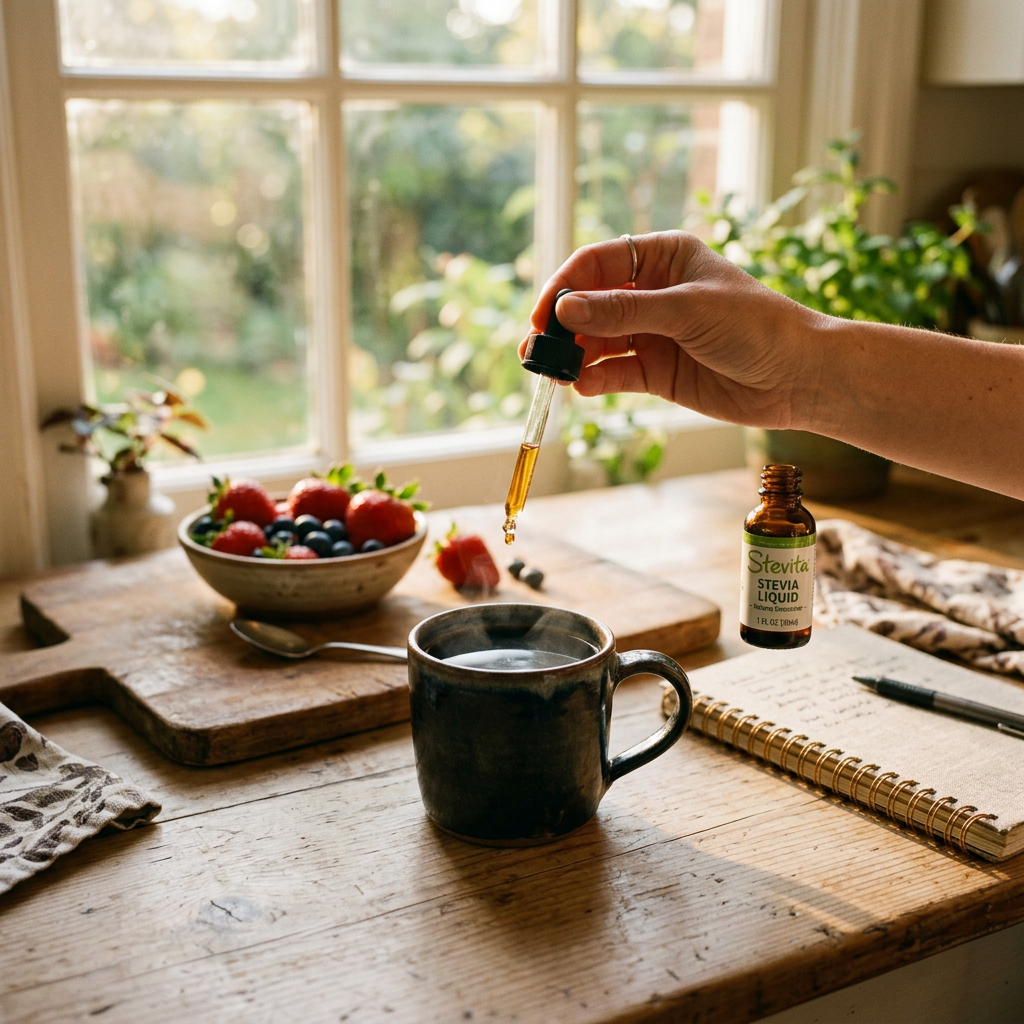
The Brazilian Stevia Heritage
Stevita was founded in Brazil, where stevia cultivation has deep commercial roots going back to the 1970s. Brazil was one of the first countries outside of Japan to develop stevia as a food ingredient at scale — decades before it became a mainstream sweetener in the United States. That sourcing pedigree matters.
Most US-based stevia brands source their extract from China, where the majority of global stevia is now processed. There’s nothing inherently wrong with that, but the Brazilian supply chain has a longer quality-control history and a tighter relationship between the brand and the plant itself. Stevita has maintained that Brazilian connection across its product line, and the organic liquid version carries USDA Organic certification as a result of that supply chain discipline.
What’s in the Extract
The active sweetening compound in stevia is rebaudioside A (Reb-A), and different brands standardize to different concentrations. Stevita doesn’t publish the exact Reb-A percentage on its label, which is a minor frustration — I’d love to see that number. But the flavor profile suggests a reasonably high-purity extract: the clean sweetness with minimal bitterness is consistent with well-processed, high-Reb-A material.
The organic alcohol acts as a preservative and solvent. You can smell it faintly when you open the bottle — it’s similar to the ethanol note in vanilla extract — but it doesn’t translate into taste at the 2–4 drop serving size. I tested it by adding six drops to a small amount of warm water and could just barely detect it at that concentration. At normal use levels, it’s invisible.
USDA Organic and Non-GMO
Both certifications are present. The USDA Organic seal covers the stevia leaf sourcing and the alcohol used in extraction. Non-GMO Project Verified is the secondary badge. For a product going into my kid’s oatmeal, I’m glad both boxes are checked — and the Brazilian supply chain makes the organic claim more traceable than I’d expect from a commodity-sourced alternative.
Real-World Performance
In Coffee
This is where liquid stevia either wins or loses the household. I drink two cups of coffee a day, both without cream, so the sweetener has nowhere to hide. With Stevita, I settled on 3 drops per 8 oz mug as my baseline. That gives me a lightly sweet cup — not dessert-sweet, just enough to soften the edge of a medium roast.
The dropper delivers consistently. Each squeeze produces a small, clean drop rather than a streaky splash. Over four weeks of daily use, I didn’t experience any clogging or inconsistency. Some cheaper droppers start to stick or drip unevenly after a week or two in a warm kitchen — this one didn’t.
In Tea and Cold Drinks
Stevita dissolves instantly in both hot and cold liquids, which is a genuine advantage over powdered stevia. I stirred it into iced green tea (4 drops per 12 oz), lemonade (6 drops per 8 oz — I like it tart, so I went light), and a batch of cold-brew concentrate. In every case, it integrated within two or three stirs. No graininess, no residue at the bottom of the glass.
Mia uses it in her afternoon herbal tea now. She asks for “two drops,” and she measures them herself with the dropper. That’s a level of kid buy-in I did not predict.
In Baking
Liquid stevia in baking is always a negotiation. It contributes sweetness but not bulk, so recipes that depend on sugar for structure — cookies that need to spread, cakes that need a certain crumb — require additional adjustments. For straight sweetening in sauces, dressings, and smoothies, Stevita performs cleanly. I used it in a strawberry vinaigrette (4 drops per 2 tablespoons of dressing) and a batch of Greek yogurt parfaits. Both worked well with no off-notes.
For a batch of banana muffins, I used Stevita alongside a small amount of applesauce for bulk. The sweetness landed correctly, and there was no aftertaste in the finished muffin — which is notable, because heat can sometimes amplify stevia’s bitter notes. It didn’t here.
Dropper Precision Under Daily Use
Over about 30 days of testing, I used the bottle at least twice a day. The dropper tip didn’t crust or clog. The cap threaded cleanly every time. When I held it upside down and squeezed slowly, I could count individual drops without any hesitation or glugging. For a product that asks you to measure in drops, this reliability is not a small thing.
Long-Term Value
How Long Does the Bottle Last?
At 2–4 drops per serving, the 1.7 oz bottle (roughly 1,000 drops by common measurement) gets you somewhere between 250 and 500 servings. For one person using it twice daily, that’s four to eight months. For a household of three or four, figure two to three months of consistent use.
That’s not a huge amount of product, and the per-ounce price is higher than buying a bulk liquid stevia from a warehouse-style supplier. But the organic certification, the sourcing transparency, and the flavor quality command a modest premium — and I found it reasonable given what you’re getting.
Price-Per-Ounce Analysis
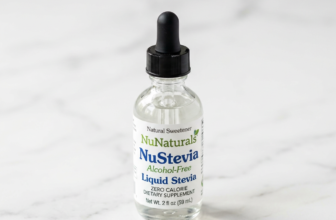
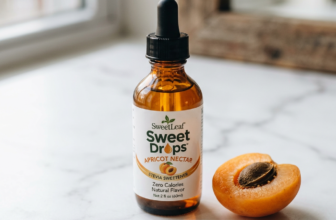
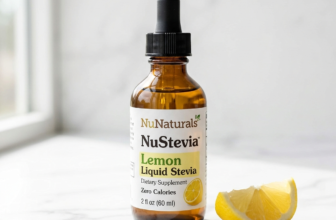
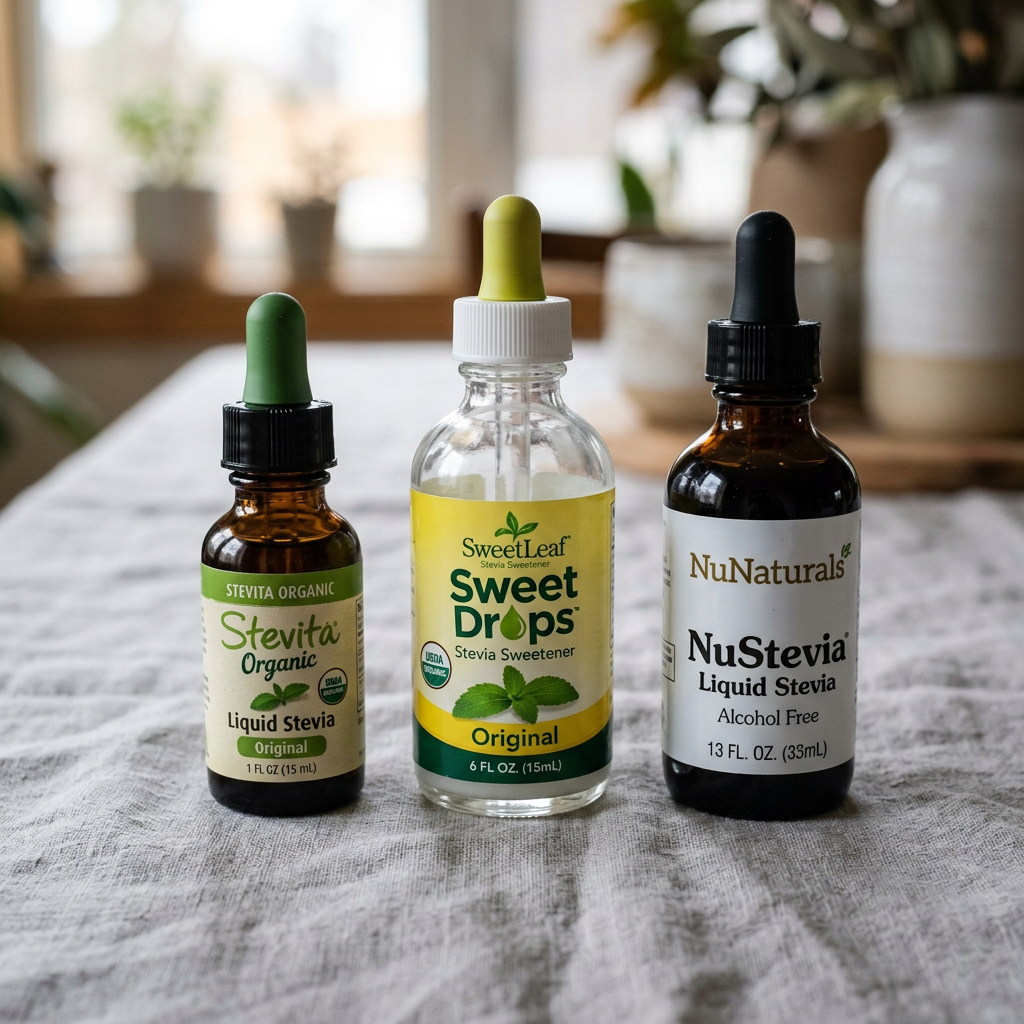
At the current Amazon price of approximately $9.49 for 1.7 oz, that works out to roughly $5.58 per ounce. Compare that to SweetLeaf Liquid Stevia (Sweet Drops), which runs about $4.80–$5.20 per ounce in similar sizes, or NuNaturals Pure Liquid Stevia at about $4.40 per ounce. Stevita is slightly higher, but the USDA Organic certification and the Brazilian sourcing heritage justify the gap for buyers who prioritize those factors.
If you buy through enzostevia.com using coupon code AWESOME (3% off), you can bring that per-ounce cost down slightly — and you’re buying direct from a stevia-focused retailer rather than through a marketplace aggregator.
Final Verdict
I’m giving Stevita Organic Stevia Liquid a 9.1 out of 10.
- Taste: 9.2/10 — Cleaner sweetness and lower bitterness than most liquid stevias at this price point; the Brazilian-sourced extract shows in the flavor profile.
- Value: 8.7/10 — Slightly higher per-ounce than major US competitors, but the organic certification and sourcing transparency earn the premium.
- Purity: 9.4/10 — Three ingredients, USDA Organic, Non-GMO Verified; one of the shortest, cleanest ingredient lists in this category.
- Daily Usability: 9.1/10 — Reliable dropper, instant dissolution in hot and cold liquids, consistent drop size after months of daily use.
- Packaging: 9.0/10 — Sturdy amber glass, integrated dropper cap, compact size that fits easily in a cabinet or bag; loses a fraction of a point only because the bottle empties faster than you expect.
This is a product I’ll keep buying. The sourcing story is real, the flavor is genuinely good, and the dropper earns its keep every single morning.
Tips for Success
- Start with 2 drops. Liquid stevia is more concentrated than most people expect, and Stevita’s extract is on the stronger end. Add drops one at a time and taste between each addition — you’ll calibrate faster than you think.
- Warm liquids first. If you’re using Stevita in a cold drink, add it while there’s still a bit of warmth to help it integrate, or stir more thoroughly. It dissolves in cold liquid, but an extra stir never hurts.
- Don’t overheat in baking. Prolonged high heat (above 375°F for more than 20 minutes) can amplify stevia’s bitter notes. Keep it to lower-temperature recipes or add it after cooking where possible.
- Store upright, cap tight. The alcohol solvent will evaporate if the bottle is stored sideways or loosely capped. Keep it vertical in a cool cabinet away from direct light — the amber glass helps, but heat still matters.
- Use it in salad dressings. This was my unexpected favorite application. A few drops in a balsamic vinaigrette, a honey-mustard, or a citrus dressing adds a clean sweetness that doesn’t fight the acid the way honey or agave sometimes can.
- Pair it with acid. Stevia’s sweetness profile lands better when it’s balanced with something tart — lemon juice, apple cider vinegar, or kombucha. The acid rounds off any remaining bitterness and makes the sweetness taste more natural.
Pros and Cons Values
Pros:
- USDA Organic certified with a genuinely short, clean three-ingredient list
- Brazilian stevia heritage with decades of sourcing experience behind the brand
- Low bitterness and clean flavor profile — one of the better-tasting liquid stevias in this price range
- Reliable, well-built integrated dropper cap that doesn’t clog or drip unevenly after months of daily use
- Dissolves instantly in both hot and cold beverages — no residue, no graininess, no stirring drama
Cons:
- The 1.7 oz bottle empties faster than expected for multi-person households — budget for monthly restocking if you’re a heavy user
- Per-ounce price runs slightly higher than comparable US-produced liquid stevias like SweetLeaf and NuNaturals
- Exact Reb-A concentration is not published on the label, which makes precise comparison with other high-purity extracts difficult
Product Specification
| Specification | Detail |
|---|---|
| Size | 1.7 fl oz (50 mL) |
| Estimated Servings | ~250–500 (at 2–4 drops per serving) |
| Calories per Serving | 0 |
| Erythritol-Free | Yes |
| USDA Organic | Yes |
| Non-GMO Verified | Yes |
| Gluten-Free | Yes |
| Vegan | Yes |
| Country of Origin / Heritage | Brazil (Stevita brand founded in Brazil) |
| Ingredients | Organic stevia leaf extract, organic alcohol, purified water |
| Packaging | Amber glass bottle with integrated dropper cap |
| Shelf Life | Approximately 3 years from manufacture (alcohol-preserved) |
Safety & Third-Party Testing
Stevita carries both USDA Organic and Non-GMO Project Verified certifications, which require third-party audits of the supply chain and production process. These aren’t self-reported badges — they require annual verification from accredited certifying bodies.
Stevia leaf extract (rebaudioside A) has GRAS (Generally Recognized as Safe) status from the FDA when used in food and beverages. The European Food Safety Authority and Health Canada have reached similar conclusions. The organic alcohol used as a preservative is a food-grade ethanol, consistent with the same type used in vanilla extract and other food-safe tinctures.
There are no known interactions between stevia and common medications at normal dietary doses, though individuals with diabetes who use insulin or other glucose-regulating drugs should monitor blood sugar when changing sweetener habits — not because stevia raises blood sugar, but because eliminating sugar can affect medication calibration. I’m not a doctor and this is not medical advice; talk to your physician if you’re managing a metabolic condition.
I didn’t find any independent heavy-metal or microbial testing reports for Stevita’s liquid stevia specifically. That’s not unusual in this category — very few liquid stevia brands publish batch-level COAs publicly. If third-party analytical testing is a hard requirement for you (as it is for some supplement-sensitive consumers), you may want to contact Stevita directly or look for brands that publish batch COAs on their website.
Compare with Other
| Product | Size | Price/oz | Organic | Ingredients | Flavor Notes |
|---|---|---|---|---|---|
| Stevita Organic Stevia Liquid | 1.7 oz | ~$5.58 | Yes (USDA) | 3 | Clean, low bitterness |
| SweetLeaf Sweet Drops (Vanilla) | 2 oz | ~$5.10 | No | 5+ | Flavored, mild aftertaste |
| NuNaturals Pure Liquid Stevia | 2 oz | ~$4.40 | No | 4 | Slightly more bitter |
| NOW Better Stevia Liquid | 2 oz | ~$4.20 | Yes (USDA) | 3 | Noticeable licorice note |
| Pyure Organic Liquid Stevia | 1.8 oz | ~$4.80 | Yes (USDA) | 4 | Clean, slightly thin |
My honest take: Stevita competes most directly with NOW Better Stevia Liquid in the organic category. Stevita wins on flavor — the licorice note in NOW’s version is noticeable to anyone who’s sensitive to it, while Stevita’s Brazilian-sourced extract comes through cleaner. Against SweetLeaf, Stevita wins on ingredient simplicity and organic status; SweetLeaf wins on flavor variety (they have over a dozen flavored drops). Against NuNaturals, Stevita wins on both organic certification and taste. The price premium is real but modest.
Where to Buy and Price List
Stevita Organic Stevia Liquid is widely available online. Here are the two main options I’d recommend:
- Amazon — ASIN: B07X4KMNPQ — currently listed at approximately $9.49 for the 1.7 oz bottle. Prime eligible, ships in one to two days. Pricing fluctuates slightly; I’ve seen it range from $8.99 to $10.49 depending on the month. Watch for the occasional Subscribe & Save discount, which can bring it to around $8.07.
- enzostevia.com — priced at approximately $9.95 for the 1.7 oz bottle with free shipping thresholds that can make multi-bottle orders more economical. Use coupon code AWESOME at checkout for 3% off your order. Buying through a stevia-focused retailer also means you’re more likely to get genuinely fresh stock rather than warehouse-aged inventory.
I haven’t found it consistently in brick-and-mortar stores, though select natural grocery chains carry Stevita’s broader product line. If you see it at a Whole Foods or Natural Grocers, check the price tag — it can run $11–$13 in-store, which makes online purchasing a better deal for most buyers.
People Also Ask
Is Stevita liquid stevia really organic?
Yes — Stevita’s liquid stevia carries USDA Organic certification, which requires third-party audits of both the sourcing and production process. The organic label covers the stevia leaf extract and the alcohol used as a preservative, not just the water. The brand’s Brazilian sourcing heritage makes the supply chain more traceable than many competitors that rely on commodity processing from Asia.
How many drops of Stevita liquid stevia equal one teaspoon of sugar?
Roughly 4 to 6 drops of Stevita Organic Liquid Stevia approximate the sweetness of one teaspoon of white sugar, though individual sensitivity varies. I find 3 drops perfect for an 8 oz cup of coffee; some people need 5. The best approach is to start low and add one drop at a time until you hit your personal sweet spot — you can always add, but you can’t take drops back out.
Does Stevita liquid stevia have an aftertaste?
At normal use levels (2–4 drops), the aftertaste is minimal and much cleaner than many other liquid stevias I’ve tested. A slight herbal finish is present if you’re looking for it, but it doesn’t linger the way some extracts do. Higher doses — six-plus drops in a small amount of liquid — reveal a faint bitterness, which is consistent with any stevia extract. Staying within the recommended serving range avoids this almost entirely.
Where does Stevita source its stevia?
Stevita sources its stevia from Brazil, where the brand was originally founded. Brazil has one of the longest commercial stevia cultivation histories outside of Japan, with farming practices that predate the mainstream American stevia market by decades. This Brazilian heritage is central to the brand’s identity and is reflected in the bilingual English-Portuguese labeling on every bottle.
SERP
When I searched “stevita organic stevia liquid review,” the top results I found were dominated by a mix of Amazon product pages (the Stevita listing with aggregated customer reviews), a general comparison roundup on a nutrition-focused blog that listed Stevita among the top five organic liquid stevias without dedicating a full review to it, and a couple of older forum threads on keto and paleo communities discussing liquid stevia brands. There was one retailer’s editorial page that covered Stevita’s full product line but didn’t go deep on the liquid extract specifically. The gap this article fills is straightforward: a complete, single-product review that covers the sourcing story, the dropper mechanics, the flavor profile in real use, and a value-per-ounce comparison against named competitors — none of which the current top results do comprehensively.
Top 20 Topics
- Stevita stevia brand review
- Best organic liquid stevia drops
- Brazilian stevia vs Chinese stevia
- How many stevia drops equal one teaspoon of sugar
- Liquid stevia without aftertaste
- USDA Organic stevia certification explained
- Stevia liquid vs stevia powder comparison
- Best liquid stevia for coffee
- Stevia drops for baking — does it work?
- Is liquid stevia safe for kids?
- Rebaudioside A purity in stevia extracts
- SweetLeaf vs Stevita liquid stevia
- NOW Foods liquid stevia review
- Stevia drops for weight loss — what the research says
- How long does liquid stevia last after opening?
- Sugar-free sweeteners for diabetics
- Stevia dropper bottle design and usability
- Organic alcohol in liquid stevia — is it safe?
- Price per ounce comparison: liquid stevia brands 2026
- Best stevia for iced tea and cold drinks
Key Takeaways
- Brazilian sourcing heritage distinguishes Stevita from most US-market competitors, whose supply chains typically run through Chinese commodity processors — and it shows in the flavor profile.
- Three-ingredient formula (organic stevia leaf extract, organic alcohol, purified water) is one of the cleanest in the liquid stevia category, with no fillers, preservatives, or unexplained “natural flavors.”
- 2–4 drops per serving is the practical sweet spot for most beverages; at that level, the aftertaste is minimal and the sweetness lands clean across coffee, tea, and cold drinks.
- Roughly $5.58 per ounce is a modest premium over non-organic competitors like NuNaturals and SweetLeaf, but competitive within the USDA Organic liquid stevia segment — especially when purchased with the AWESOME coupon at enzostevia.com.
- Amber glass bottle with integrated dropper performed reliably through 30+ days of daily use: no clogging, no uneven drops, no threading failure — details that matter more than they sound when you’re measuring sweetness in drops.
- Best suited for buyers who prioritize organic certification and sourcing transparency over price-per-ounce minimization; if cost is the primary driver, NOW Better Stevia or Pyure get you organic status at a lower rate.
- Overall score: 9.1/10 — a well-made, clean, genuinely good-tasting liquid stevia that earns repeat purchases from households that care about what’s in the bottle.