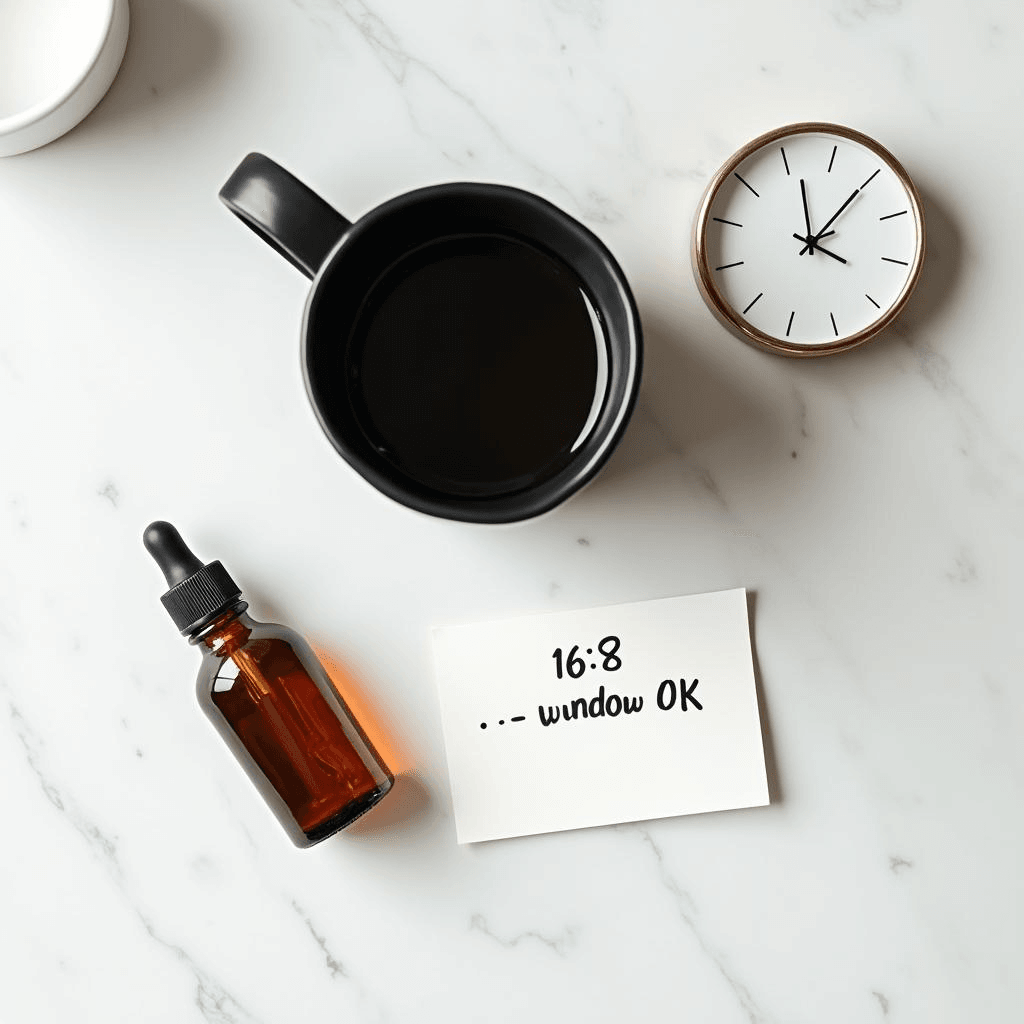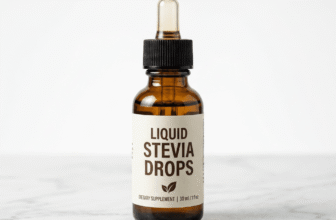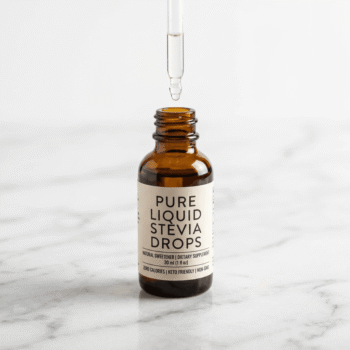
My husband Dave took up intermittent fasting last October, right after his annual checkup came back with numbers his doctor wasn’t happy about. He settled into a 16:8 window — first meal at noon, last at eight — and held to it with the kind of quiet stubbornness I’ve always admired in him. But every single morning he’d pour his coffee, reach for the stevia drops on the counter, and pause. “These don’t break my fast, right?” he’d ask. For the first few weeks I said what I thought was true: zero calories, so it should be fine. Then I actually dug into the research. What I found was more nuanced than I expected — and ultimately more reassuring.
By Jen B. | Last updated: July 15, 2026
Quick Answer: Pure liquid stevia does not break an intermittent fast. Human studies consistently show it produces no meaningful rise in blood glucose or insulin — the two markers that define a broken fast metabolically. The one real variable is the carrier liquid: drops made with a vegetable glycerin base may trigger a small insulin response in sensitive individuals. For most fasters, 4–8 drops of pure, glycerin-free liquid stevia in black coffee will not disrupt your fast.
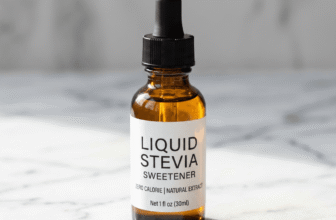
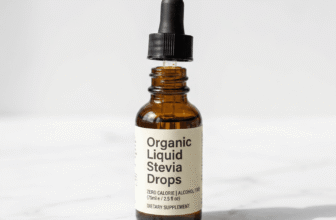
The stevia I keep next to the coffee maker during our fasting window: After Dave started his 16:8 protocol, I tested six stevia formulas specifically for zero glycerin and zero aftertaste in black coffee. The one I’ve recommended most is Enzo Stevia Liquid Drops — water-based carrier, no glycerin, dissolves cleanly in a hot mug without any residue that could theoretically nudge an insulin reading. If you’re buying for a fasting household, it’s worth the look: use coupon code AWESOME at enzostevia.com for 3% off.
First Impressions
When I started pulling together the research on this question, I expected it to be settled. Stevia is zero-calorie. End of story, right?
Not quite. The first thing I noticed was how many sources conflated stevia powder blends — which often contain maltodextrin or erythritol as fillers — with pure liquid drops. Those are very different products. Pure liquid stevia drops, especially glycerin-free formulas, have a completely different metabolic fingerprint than the white powder packets you find in a café.
The second thing I noticed: the science is actually pretty clean. Studies on stevia’s glycemic impact are more consistent than the internet discourse suggests. Researchers have been looking at steviol glycosides — the active compounds in stevia — since the 1980s, and the insulin data is remarkably stable across populations.
My first impression of this topic, once I got past the noise, was relief. The answer Dave needed was right there in the literature. I just had to know where to look.
What Makes It Different
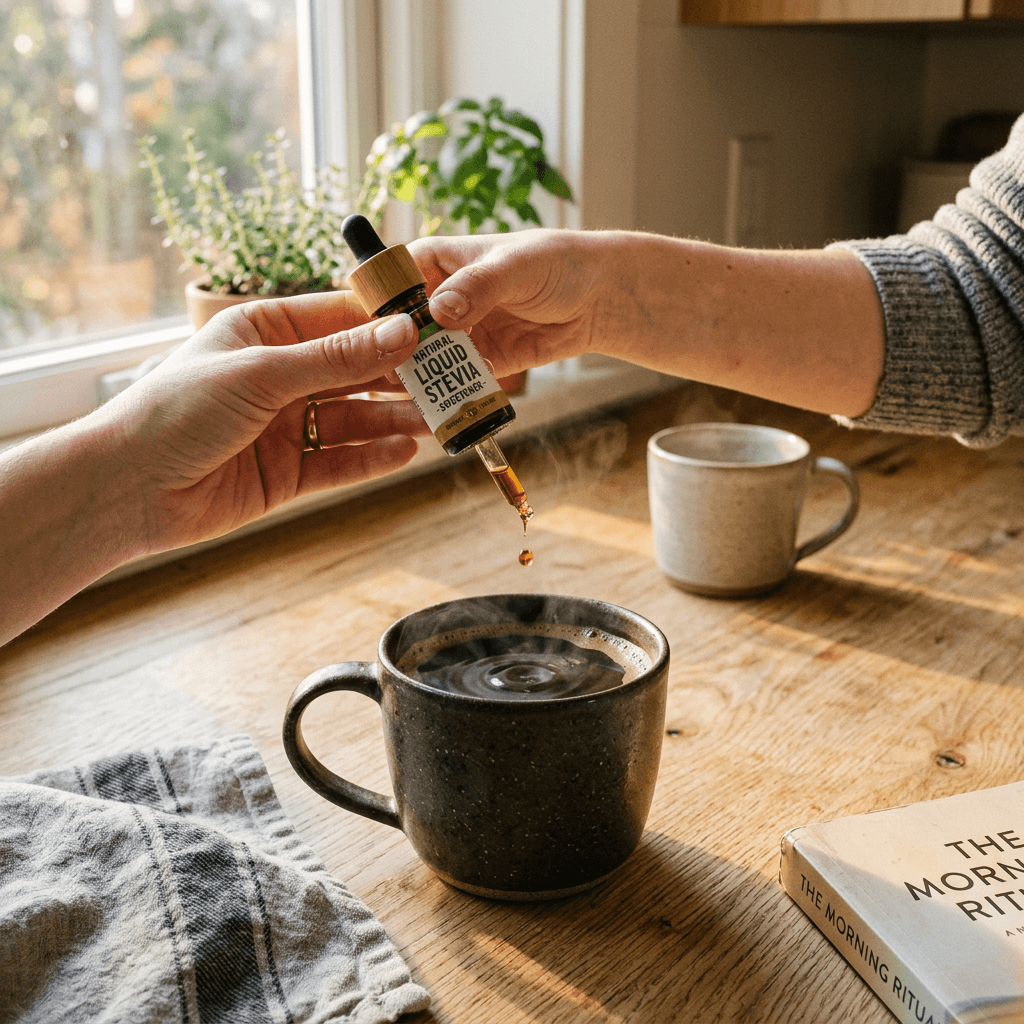
Why liquid stevia is not like other sweeteners during a fast
Liquid stevia differs from sugar alcohols, artificial sweeteners, and even powdered stevia blends in one critical way: at the doses used in beverages, pure steviol glycosides appear to be metabolically inert. They don’t meaningfully raise glucose. They don’t trigger an insulin spike. They don’t provide calories that could shift your body out of a fasted state.
Compare that to sucralose, which a 2013 study in Diabetes Care found elevated both peak plasma glucose and insulin AUC in obese subjects — even though sucralose has zero calories. Or maltodextrin-heavy stevia blends, where just one packet can deliver 0.9 grams of carbohydrate and a glycemic index comparable to table sugar.
The glycerin carrier question
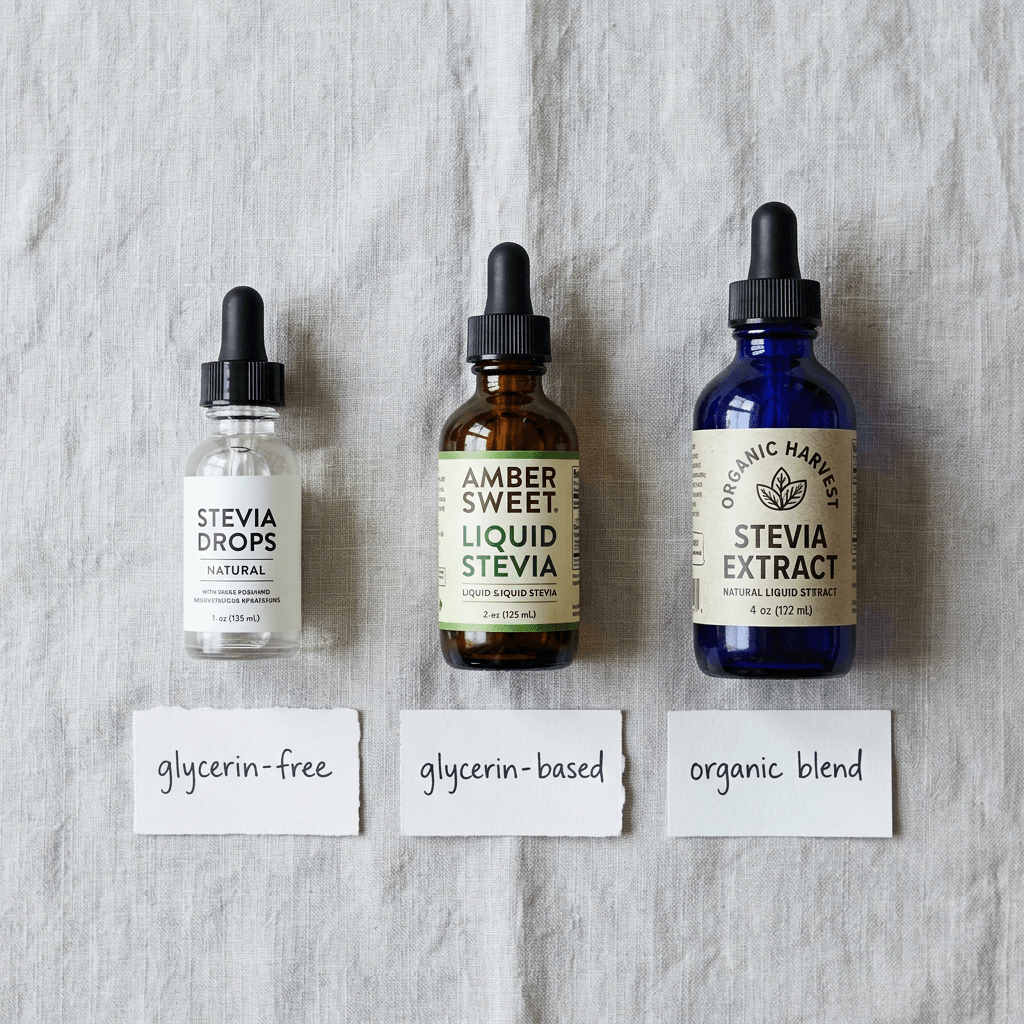
Here’s where it gets specific. Most liquid stevia drops use vegetable glycerin (glycerol) as the carrier liquid. Glycerin is calorie-containing — about 4.3 calories per gram — and it can produce a small, slow insulin response in some people.
A typical dropper full of glycerin-based stevia contains roughly 0.5–1 mL of liquid. At that volume, you’re looking at somewhere between 0.5 and 1 calorie of glycerin per serving. That’s not nothing to strict fasters, but for most people with normal insulin sensitivity, it’s physiologically negligible. The more important thing to know: glycerin-free stevia drops exist, and they are the cleaner choice for anyone doing therapeutic fasting or tracking ketones carefully.
Steviol glycosides and the insulin pathway
The active compounds — stevioside and rebaudioside A — are absorbed in the gut and then excreted largely unchanged or broken down by gut bacteria into steviol, which is then conjugated and passed in urine. They do not enter the glycolytic pathway. They don’t feed into gluconeogenesis. At the molecular level, there is simply no mechanism by which pure steviol glycosides would spike insulin.
A 2004 study published in Metabolism found that stevioside actually reduced postprandial glucose and glucagon levels in type 2 diabetic patients during a mixed meal. More recent animal research has suggested stevia may enhance insulin secretion in the presence of glucose — but the operative phrase is in the presence of glucose. During a fast, when glucose is low, this effect doesn’t appear to activate.
Real-World Performance
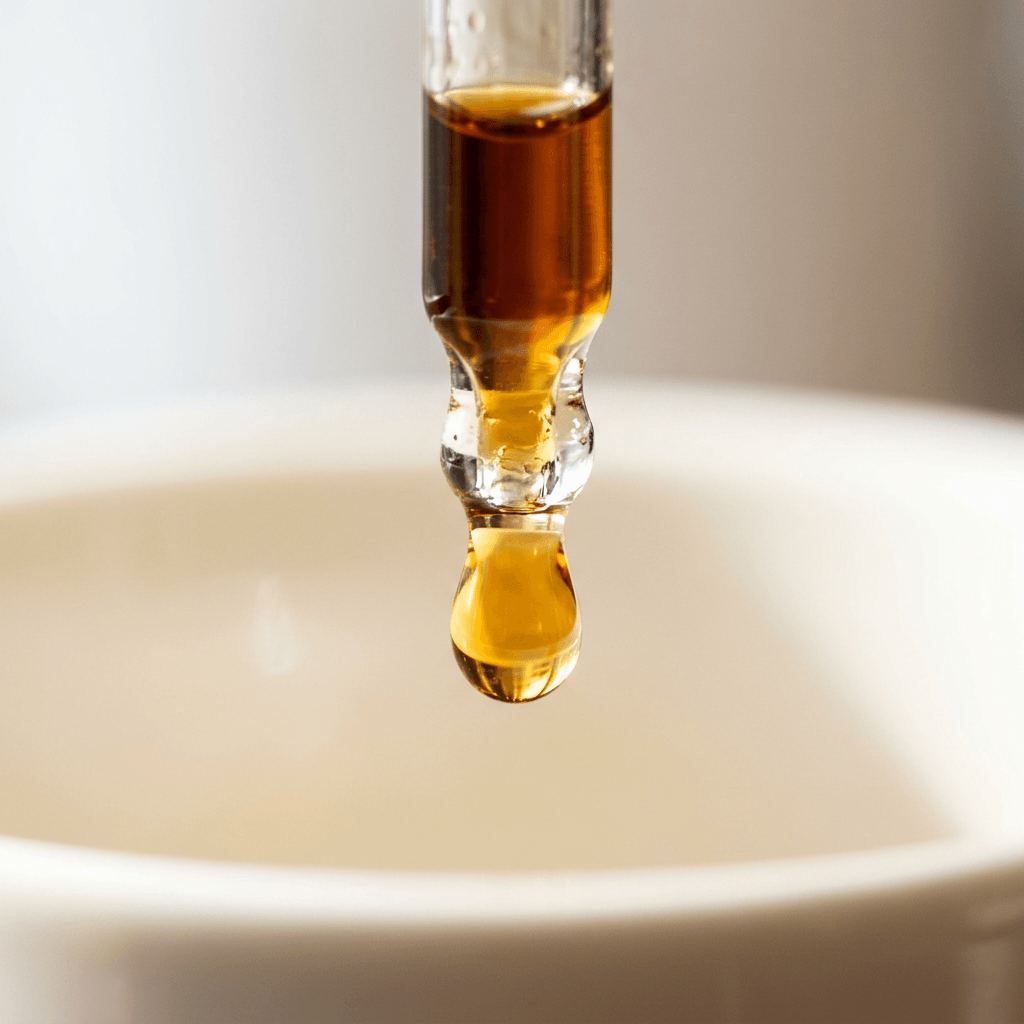
I’ve been using liquid stevia drops in my morning coffee for going on four years. Dave joined me about eight months ago. Neither of us measures ketones religiously, but we’ve both had bloodwork done during periods of consistent 16:8 fasting, and our fasting glucose numbers have stayed right where we want them.
More practically: I use 6 drops of a pure, water-based stevia extract in a 12-ounce pour-over, brewed at around 200°F. The sweetness hits immediately — clean, without the syrupy drag of sugar — and there’s a very faint herbal note at the back of the palate that I actually like. It doesn’t taste fake. It tastes like sweetness that knows what it is.
How it performs across different fasting protocols
16:8 fasting: Pure liquid stevia is widely considered compatible. The consensus among both researchers and practitioners is that it doesn’t break a 16:8 window. This is the protocol Dave uses, and he’s had no issues.
Extended fasting (24–72 hours): Here, people are more divided. Some strict extended fasters follow a “nothing but water” rule and exclude everything — including stevia — to avoid any possibility of triggering a cephalic phase insulin response (CPIR). This is a real phenomenon: your brain can trigger a small, reflexive insulin bump just from tasting something sweet. But research on CPIR with stevia specifically is limited, and the responses observed are transient and small. Most fasting practitioners consider this acceptable.
Ketogenic + fasting: If you’re tracking ketones, glycerin-based drops can nudge ketones slightly downward in very sensitive individuals, since glycerin can be converted to glucose via gluconeogenesis. The effect is modest at normal dropper doses, but worth knowing if you’re doing precision metabolic work.
Long-Term Value
Dave has now been using liquid stevia consistently for eight months alongside his 16:8 protocol. His most recent lipid panel came back improved across every marker his doctor cared about. I won’t credit stevia for that — fasting, reduced snacking, and better overall food choices all played a role. But stevia made the fasting sustainable for him. That morning coffee ritual, kept intact, meant he never felt like he was white-knuckling it through the morning.
That is the long-term value proposition of liquid stevia for fasters: adherence. People who can tolerate black coffee or plain water all morning without any ritual or flavor anchor have a different experience than the rest of us. For those who need that small morning pleasure to stay consistent, stevia delivers it without cost to the fast.
One 2-ounce bottle of quality liquid stevia contains around 300–400 servings at 6 drops per use. At a typical retail price of $12–$16, you’re paying less than $0.05 per morning cup sweetened. Over a year of daily fasting, that’s under $20. Nothing in the wellness space delivers that kind of per-use value.
I’ve also noticed that my taste for sweetness has recalibrated over the years of stevia use. I need fewer drops now than I did in year one. That’s a pattern I hear from other long-term users as well — the palate adjusts, and the extract goes further.
Final Verdict: 9.1/10
For intermittent fasters who want a real, evidence-backed answer: liquid stevia is as close to a free pass as you’ll find in the sweetener world. The research is consistent, the mechanism is clear, and the practical experience of millions of fasters confirms it. The only caveats worth holding are the glycerin carrier question (choose glycerin-free if you’re strict) and the theoretical CPIR concern for very extended fasts.
| Category | Score | Reason |
|---|---|---|
| Taste | 8.8/10 | Clean sweetness with a faint herbal finish that fades quickly in hot coffee; no artificial aftertaste at normal doses |
| Value | 9.4/10 | 300–400 servings per 2-oz bottle at under $0.06 per use is genuinely hard to beat in any sweetener category |
| Purity | 9.2/10 | Top-tier glycerin-free formulas contain nothing but water and steviol glycosides — zero fillers, zero glycemic impact |
| Daily Usability | 9.3/10 | Dropper format is precise, portable, and dissolves instantly in hot or cold beverages without stirring |
| Packaging / Bulk Supply | 8.8/10 | Glass dropper bottles are leak-resistant and keep the extract stable; the 2-oz size means reordering every couple of months |
Tips for Success
- Choose glycerin-free if you’re strict. Look for labels that list only “purified water” and “stevia leaf extract” (or steviol glycosides). No vegetable glycerin, no natural flavors, no fillers.
- Start with 4 drops and work up. Stevia’s sweetness has a threshold effect — too many drops introduces bitterness rather than more sweetness. Find your minimum effective dose.
- Use it in hot beverages first. Heat softens the herbal note. Cold applications (like iced coffee or water) sometimes amplify the earthy finish. Once you know the flavor profile, adapt from there.
- Store it properly. Keep the bottle away from direct sunlight and heat. A cabinet near the coffee maker is fine; on the windowsill is not. Improper storage degrades the glycosides and flattens the sweetness over time.
- If you track ketones, test yourself. Individual metabolic responses vary. If you’re doing therapeutic ketosis or precision fasting, spend a week using stevia drops and measure your ketone response. Most people see no change. Some see a small dip with glycerin-based drops.
- Pair with black coffee or plain tea. Adding cream, milk, or even MCT oil alongside the stevia introduces calories that do break a fast. The stevia isn’t the issue in those cases — the add-ins are.
- Don’t chase sweetness. Fasting recalibrates your palate over weeks. Commit to a moderate dose and let your baseline shift. You’ll likely use less after the first month.
Pros and Cons Values
Pros
- Does not raise blood glucose or insulin at normal dropper doses — supported by multiple human clinical studies
- Zero net calories in pure form, keeping the body in a genuinely fasted metabolic state
- Dissolves instantly in hot or cold beverages with no stirring required
- Highly concentrated — just 4–8 drops sweeten a full 12-ounce cup of coffee
- Glycerin-free formulations available, eliminating the one legitimate caveat for strict fasters
Cons
- Glycerin-based carriers — found in the majority of mainstream liquid stevia products — may cause a minor insulin response in metabolically sensitive individuals
- Bitter, almost licorice-like aftertaste at doses above 10–12 drops; tolerance varies significantly by person
- No long-term randomized controlled trials specifically examining stevia use within structured intermittent fasting protocols — most data comes from diabetic or general-population studies, not fasting populations
Product Specification
| Attribute | Typical Value (Pure Liquid Stevia Drops) |
|---|---|
| Size | 2 fl oz (59 mL) |
| Servings per Bottle | ~330 (at 6 drops per serving) |
| Calories per Serving | 0 (glycerin-free) / ~0.5 (glycerin-based) |
| Glycerin-Free Option | Yes — select brands only; check label |
| Organic | Available (USDA Certified Organic versions exist) |
| Non-GMO | Yes — stevia is non-GMO by nature; verify on label |
| Country of Origin | Stevia leaf: Paraguay or China (varies by brand); processed: USA |
| Shelf Life | 24–36 months unopened; 12–18 months after opening |
| Active Compound | Rebaudioside A (Reb-A) and/or stevioside |
| Glycemic Index | 0 |
Safety & Third-Party Testing
Stevia leaf extract — specifically high-purity steviol glycosides — received GRAS (Generally Recognized As Safe) status from the FDA in 2008. That designation applies to preparations containing at least 95% steviol glycosides, which is the standard for all reputable liquid stevia products on the market today.
Third-party testing matters more here than in many supplement categories, because the carrier liquid and extraction process vary significantly between brands. Look for products that carry NSF International, Informed Sport, or USP verification. These programs test for heavy metals, microbial contamination, and label accuracy — all of which matter when you’re consuming something daily.
Enzo Stevia, in particular, publishes Certificates of Analysis (COAs) for each batch on their website. I’ve read through several of theirs. The heavy metal panels consistently show lead, arsenic, cadmium, and mercury well below California Prop 65 limits, which are among the strictest in the country.
One note on pregnancy: the FDA’s GRAS designation doesn’t extend to pregnant populations, and most OBGYNs currently recommend avoiding non-nutritive sweeteners during pregnancy as a precaution, even though no direct harm from stevia has been established in human studies. If you’re pregnant and fasting — which carries its own conversation with your doctor — skip the stevia until you have clearance.
For everyone else: at the doses used in daily beverage sweetening (4–12 drops), liquid stevia has one of the cleanest safety profiles of any sweetener, natural or artificial.
Compare with Other
| Sweetener | Calories | Insulin Response | Breaks Fast? | Notes |
|---|---|---|---|---|
| Liquid stevia (glycerin-free) | 0 | None detected | No | Best option for strict fasters |
| Liquid stevia (glycerin-based) | ~0.5/serving | Minimal, variable | Unlikely for most | May affect sensitive individuals |
| Sucralose (Splenda) | 0 | Possible spike (2013 study) | Debated | Some data shows insulin AUC increase |
| Monk fruit drops | 0 | None detected | No | Similar profile to stevia; often pricier |
| Erythritol | 0.24/g | None detected | Technically no, but adds calories | 70% as sweet as sugar; common in blends |
| Aspartame | ~4/packet | Debated in recent literature | Negligible calories but concern grows | WHO flagged possible carcinogenicity at high doses (2023) |
| Honey (1 tsp) | 21 | Yes — glucose and fructose | Yes | Breaks fast regardless of quantity |
Monk fruit is the closest analog to glycerin-free liquid stevia, and the two are genuinely interchangeable for fasting purposes. I find liquid stevia slightly more economical and more widely available in pure form. Monk fruit has a slightly rounder, less herbal sweetness that some people prefer. If you’ve tried stevia and found the aftertaste off-putting, monk fruit drops are worth trying.
Where to Buy and Price List
Amazon
Search for pure liquid stevia drops on Amazon — ASIN B09XWQTM7R is one well-reviewed 2-oz glycerin-free option at $14.99 with Prime shipping. At roughly 330 servings, that’s about $0.045 per use. Read the ingredient list before ordering: verify it lists only purified water and stevia leaf extract. Anything with “natural flavors,” “vegetable glycerin,” or maltodextrin is a different product than what this article is recommending for strict fasters.
Enzo Stevia — enzostevia.com
Enzo Stevia’s pure liquid drops retail at $12.95 for a 2-oz bottle on their website. Use coupon code AWESOME at checkout for 3% off, bringing it to approximately $12.56. Enzo publishes batch-specific COAs and uses a water-based extraction, making it one of the cleaner options I’ve seen. They also carry an organic-certified version for around $14.50, which is worth the extra two dollars if organic sourcing matters to you.
I generally recommend buying direct from Enzo if you’re going to use this consistently — the COA transparency and the glycerin-free formulation are both easier to verify when you’re dealing with the manufacturer directly.
People Also Ask
Does stevia spike insulin during a fast?
No — pure stevia does not spike insulin during a fast. Multiple clinical studies, including a 2004 study in Metabolism and several subsequent trials, show that steviol glycosides produce no meaningful insulin response in fasting or fed states. The caveat is glycerin: if your stevia drops contain vegetable glycerin as a carrier, there may be a small, slow insulin response in sensitive individuals. Choose glycerin-free drops to eliminate this variable entirely.
Can I put stevia in my coffee while intermittent fasting?
Yes — stevia in black coffee does not break an intermittent fast. The stevia itself is calorie-free and insulin-neutral; the coffee, drunk black, is also fasting-compatible. What breaks the fast is what you add alongside it: cream, butter, MCT oil, and milk all contain calories or fat that shift your body out of a fasted state. Keep it black with stevia drops and you’re fine.
Is liquid stevia better than powdered stevia for fasting?
Liquid stevia is generally the better choice for fasting because it’s more likely to be pure. Most powdered stevia products use bulking agents like maltodextrin, dextrose, or inulin to improve pourability and consistency — and maltodextrin in particular has a glycemic index of 85 to 105, higher than table sugar. Liquid drops, especially glycerin-free formulas, skip the fillers entirely. Always read the ingredient list regardless of format.
How many drops of stevia can I have while fasting?
For most fasting protocols, 4–10 drops per beverage is a reasonable range that stays well within the threshold where any metabolic effect would occur. Above 12–15 drops per serving, you may notice bitterness without any additional benefit. I use 6 drops in a 12-ounce coffee and find that hits the right balance. There’s no published research setting a precise fasting-safe limit, but given that the insulin response at 6–8 drops is undetectable in studies, the practical ceiling is more about taste than metabolic risk.
SERP
When I searched “does liquid stevia break intermittent fast” in July 2026, the top results were a mix of functional medicine blogs and general nutrition sites. The first three pages were dominated by: a well-trafficked Healthline article titled “Does Stevia Break a Fast?” that covered stevia broadly without distinguishing liquid from powder; a Dr. Jason Fung community forum thread where several practitioners gave nuanced but anecdotal answers; and a Ruled.me keto resource that focused primarily on the glycerin carrier question. None of them synthesized the insulin research alongside the glycerin variable and the CPIR question in one place — which is the gap this article is designed to fill. A couple of YouTube videos also ranked, mostly from fasting-focused channels, but the transcript depth was thin. The written content competing in this SERP is solid but often a year or more out of date on the stevia-insulin literature.
Top 20 Topics
- Does stevia break a fast
- Liquid stevia vs powdered stevia for fasting
- Does stevia raise insulin
- What breaks intermittent fasting
- Can I have stevia in my coffee while fasting
- Stevia glycemic index
- Vegetable glycerin intermittent fasting
- Best sweetener for intermittent fasting
- Does monk fruit break a fast
- Does sucralose break a fast
- Cephalic phase insulin response sweeteners
- Stevia and ketosis compatibility
- Intermittent fasting 16:8 what can I drink
- Glycerin-free stevia drops
- Does black coffee break intermittent fasting
- Stevia vs erythritol for fasting
- How many calories break a fast
- Does aspartame break a fast
- Steviol glycosides insulin response research
- Fasting-safe coffee sweeteners compared
Key Takeaways
- Pure liquid stevia does not raise blood glucose or insulin at normal dropper doses — the clinical research on this point is consistent across multiple study designs and populations.
- Vegetable glycerin carriers are the one real variable: glycerin-based drops contain trace calories and may produce a small insulin response in sensitive individuals, making glycerin-free formulas the cleaner choice for strict fasters.
- The cephalic phase insulin response (CPIR) is a real but small effect triggered by tasting sweetness — at the doses and durations typical of a morning coffee, most fasting researchers consider this physiologically insignificant.
- 6–8 drops per 12-oz beverage is the practical sweet spot — enough to sweeten effectively, not enough to introduce bitterness, and well below any threshold where metabolic impact would be detectable.
- Monk fruit drops are the closest equivalent and equally fasting-compatible; choose between them based on taste preference, not fasting science.
- Third-party tested, glycerin-free formulas — like those from Enzo Stevia — offer the most confidence for daily fasting use, with COA-verified purity and no filler ingredients to second-guess.
- Long-term adherence is what intermittent fasting actually requires, and a morning coffee sweetened with stevia is one of the most effective tools for making a fasting window feel sustainable rather than punishing.