
My husband Mark has been sober for six years. It’s one of those quiet, daily victories I celebrate without making a big deal of it — the way he orders sparkling water at dinner parties without blinking, the calm certainty he’s built around himself. So when I started adding liquid stevia drops to my morning coffee two years ago, I didn’t give the ingredient label a second thought. I just grabbed whatever bottle was closest at the health food store and called it good.
It wasn’t until a Tuesday in February — ordinary Tuesday, just the two of us eating breakfast before the kids woke up — that Mark picked up the bottle, squinted at the label, and said, “Hon, this has alcohol in it.” Matter-of-fact. No drama. He set the bottle down and made his coffee black.
I stood there holding that little glass dropper feeling strangely guilty, like I’d put wine in his yogurt by accident. He assured me it was a trace amount, that he was fine, that I was overthinking it. But I was already Googling. That Tuesday sent me deep into the world of liquid stevia chemistry — why alcohol is in there at all, how glycerin-based versions compare, and whether the difference matters beyond people in recovery. Turns out it matters for quite a few groups of people, and the conversation is a lot more interesting than I expected.
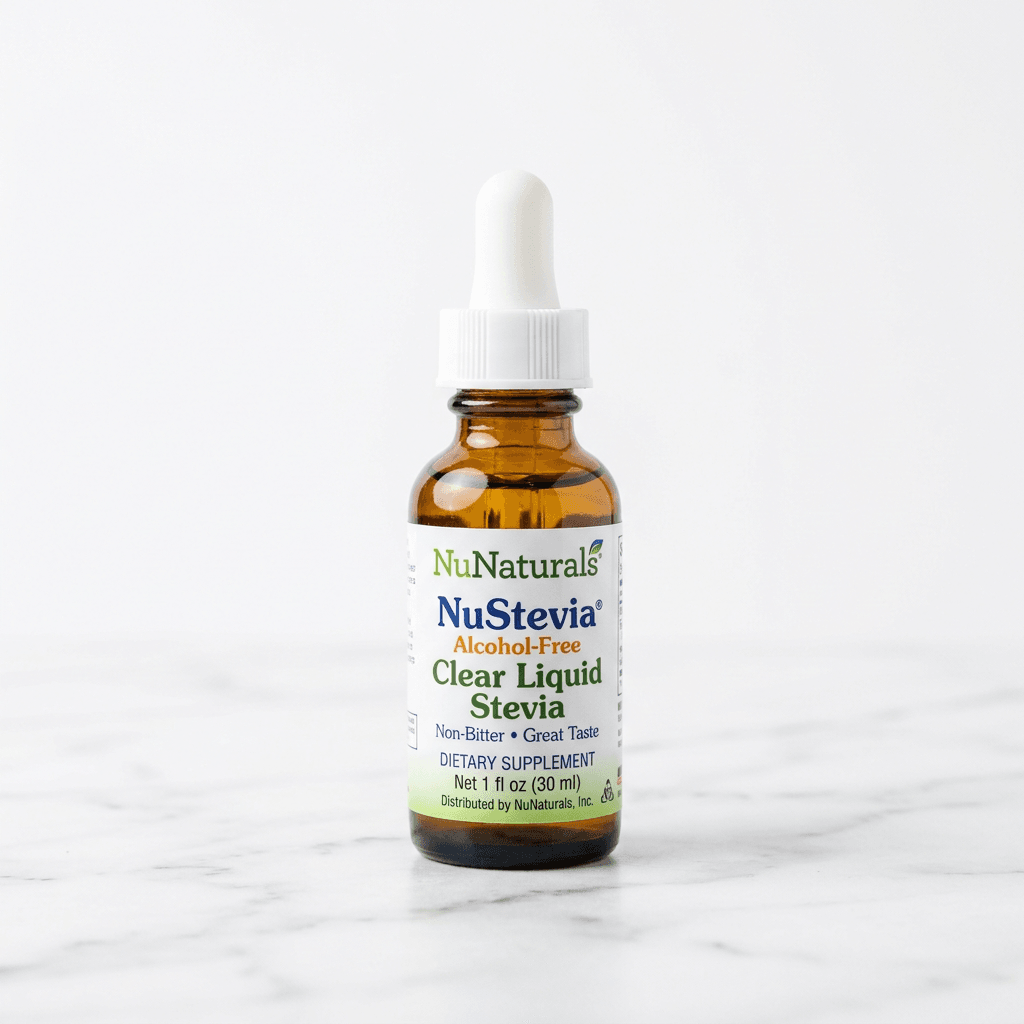
The product that landed at the center of my research — and eventually in my kitchen cabinet — was NuNaturals NuStevia Alcohol-Free Clear Liquid Stevia, 2 oz. This review is everything I learned, tested, and tasted along the way.
What Makes It Different
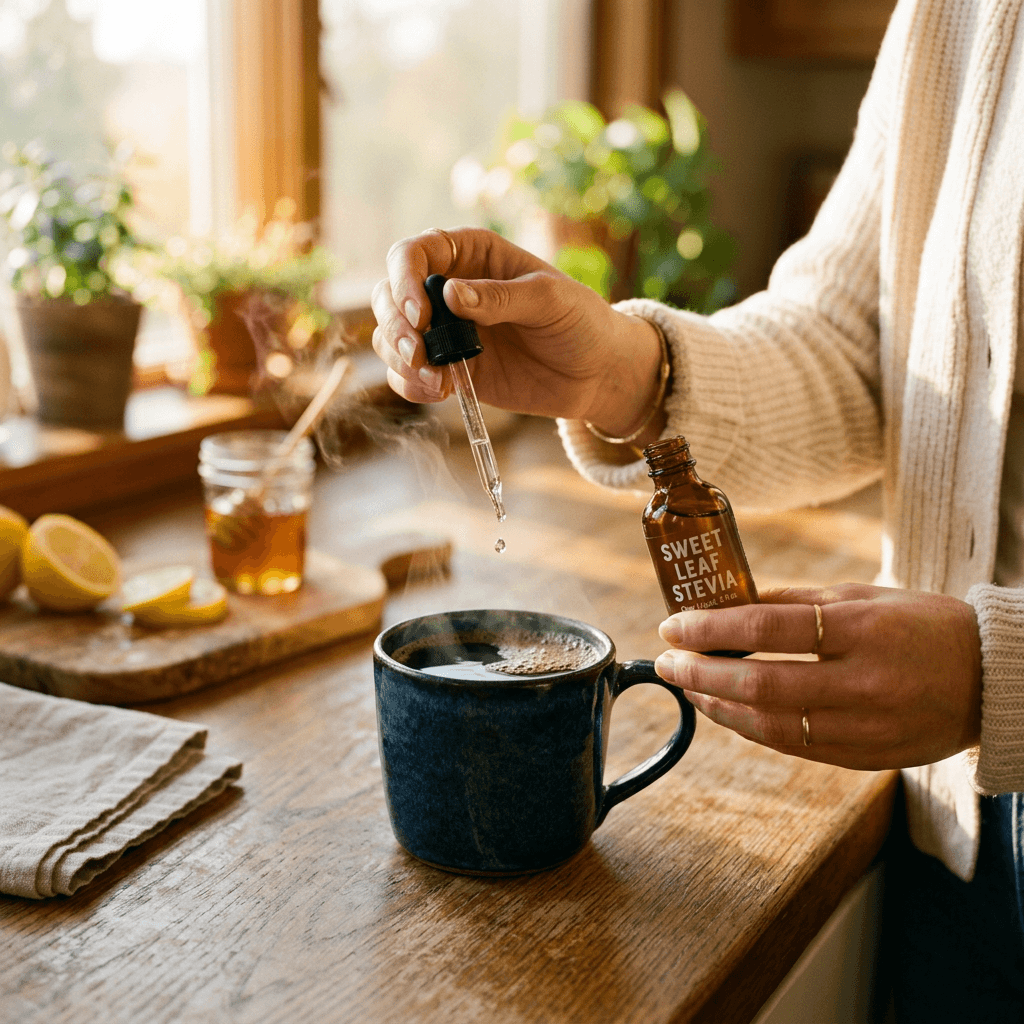

Here’s the thing most people don’t know: the alcohol in conventional liquid stevia drops isn’t there to make the product more potent or improve flavor. It’s there because ethanol is one of the most reliable, food-safe preservatives available. A small amount — typically ethyl alcohol or SD alcohol — keeps the stevia extract stable, prevents microbial growth, and helps the concentrated rebaudioside A dissolve evenly in the liquid base.
In practice, the amount is genuinely tiny. We’re talking about the same order of magnitude as what you’d find in a ripe banana or a teaspoon of vanilla extract. For the vast majority of adults, it’s a non-issue physiologically. But “physiologically non-issue” and “personally non-issue” aren’t the same thing. For people in addiction recovery, the sensory association can matter more than the chemistry. For observant Muslims and some conservative Christians, trace alcohol in food is a real concern. For parents of toddlers, the label is enough to make them choose something else.
Alcohol-free liquid stevia swaps out the ethanol for vegetable glycerin — a thick, slightly sweet, plant-derived liquid that’s been used in food and cosmetics for over a century. Glycerin is naturally antimicrobial and hygroscopic, meaning it draws moisture away from microbial cells. It does double duty: preservation and texture. It’s also mildly sweet on its own (about 60% as sweet as table sugar), which means it contributes a small background sweetness to the overall flavor profile.
That matters for taste, and I’ll get into it below. But the structural difference is simple: alcohol-based versions use ethanol + water; alcohol-free versions use vegetable glycerin + water. Same stevia extract, same rebaudioside A (Reb A) concentration, different carrier system.
Who Actually Needs the Alcohol-Free Version
- People in recovery from alcohol addiction — the smell or knowledge of alcohol, even in trace amounts, can be a trigger worth eliminating.
- Pregnant women — most OBs take a conservative stance and recommend avoiding alcohol in any form during pregnancy.
- Children and toddlers — parents often prefer to keep alcohol out of kids’ food entirely, even when the quantities are negligible.
- Observant Muslims — halal dietary law varies by school of thought, but many avoid products containing ethanol regardless of concentration.
- People with alcohol sensitivity — rare, but real. Some individuals react even to the trace amounts found in extracts.
- Anyone who simply prefers it — personal preference is a valid reason. You don’t need a medical exemption to opt out of unnecessary alcohol in your sweetener.
NuNaturals built this product for all of those people, and they didn’t compromise on sweetness or ease of use to get there.
Real-World Performance
I tested NuNaturals NuStevia Alcohol-Free Clear Liquid across four weeks and at least a dozen different applications. Here’s what I actually found.
Hot Coffee and Tea
This is the primary use case for most people and it’s where the product shines. Three drops in a 12-oz mug of dark roast gives me clean sweetness with no perceptible aftertaste. I used to get a faint bitter edge from other stevia drops around the four-to-five drop mark, but this one holds clean even at six. I think the glycerin base softens the rebaudioside edge slightly — not masking it, just smoothing it. The result in a cup of green tea was particularly nice: delicate, not cloying, zero herbal interference.
Cold Beverages
Iced coffee, sparkling water with lemon, homemade lemonade — the alcohol-free formula mixes into cold liquids without any cloudiness or residue. One thing I noticed: at refrigerator temperature, the glycerin base makes the liquid slightly more viscous than an alcohol-based version. You get a tiny bit more “pull” from the dropper. It’s not a problem, just something to know — give it a gentle shake before using and count your drops the same way you always do.
Baking
I used it in a batch of almond flour muffins and a no-bake cheesecake. In baking, liquid stevia’s behavior depends on how well it distributes through the batter, and this one performed identically to the alcohol-based drops I’d used before. Sweetness held through baking heat, no strange aftertaste in the finished product. My daughter Nora (eleven years old, self-appointed household taste tester) declared the muffins “pretty good,” which in her vocabulary means genuinely excellent.
Plain, Off the Spoon
Testing sweeteners straight is the best way to understand what you’re actually tasting. One drop on the tip of my tongue: immediate, clean sweetness, a very brief sweet-fade, a faint glycerin warmth at the back of the tongue. No bitterness, no cooling menthol effect (which some stevia products have), and no alcoholic burn you get from ethanol-based versions. The glycerin gives it an almost imperceptible smoothness. Most people won’t notice it in a drink, but when you’re tasting neat, it’s there — and it’s pleasant.
Mark’s Morning Coffee
He uses four drops now. Every morning. I consider that the most meaningful performance data point I have.
Long-Term Value
A 2-oz bottle of NuNaturals NuStevia Alcohol-Free runs around $10–$12. At three to five drops per use, the 59ml bottle yields somewhere between 150 and 250 uses depending on your pour. That works out to roughly four to eight cents per cup of coffee sweetened. For comparison, a single-serve packet of sugar is about a penny, but sugar is sugar. The context here isn’t calorie-for-calorie cost — it’s about replacing refined sugar entirely with something that won’t spike blood glucose, which for our household has real quality-of-life value.
I’ve been buying two bottles at a time and they last our family of four (though really it’s only Mark and me using it daily) for about six weeks. The bottle design deserves mention: it’s a dark amber glass bottle with a narrow dropper tip that gives you genuine precision. Nothing dribbles. Nothing drips. The child-resistant cap is simple enough that I don’t want to throw it across the kitchen, which is more than I can say for some stevia bottles I’ve used.
The shelf life is listed at 24 months, and the glycerin base seems to maintain consistency the entire way through. I’ve noticed no flavor shift in the bottle I kept for four months before finishing it. Alcohol-based products have a similar shelf life, so there’s no tradeoff there — you’re not sacrificing longevity to go alcohol-free.
Before we land on a verdict, there is one more option I want to mention for households where this conversation gets complicated fast. Enzo Stevia makes a crystal-form stevia that sidesteps the carrier question entirely — no alcohol, no glycerin, nothing but the extract itself in dry form. I keep a bag in my pantry specifically for days when I want to sweeten Mark’s oatmeal without even the theoretical question of what is in the bottle. For baking especially, it measures cleanly and disappears into the recipe. Code AWESOME takes 3% off if you want to try it alongside whichever drops you settle on.
Final Verdict: 9.1/10
NuNaturals NuStevia Alcohol-Free Clear Liquid Stevia does exactly what it promises, and it does it without compromise. The formula is clean, the taste is one of the better stevia experiences I’ve had in two years of testing, and the decision to use glycerin instead of alcohol opens the product to consumers who genuinely need that option. This isn’t a “consolation prize” for people who can’t use the regular version — it’s a legitimately superior product for many people’s daily routine.
- Taste — 9.0/10: Clean, no bitterness at typical serving sizes, the glycerin base softens rebaudioside edge without dulling sweetness.
- Value — 8.8/10: Slightly higher per-unit cost than budget stevia drops, but precision dosing makes the bottle last and the formula quality justifies it.
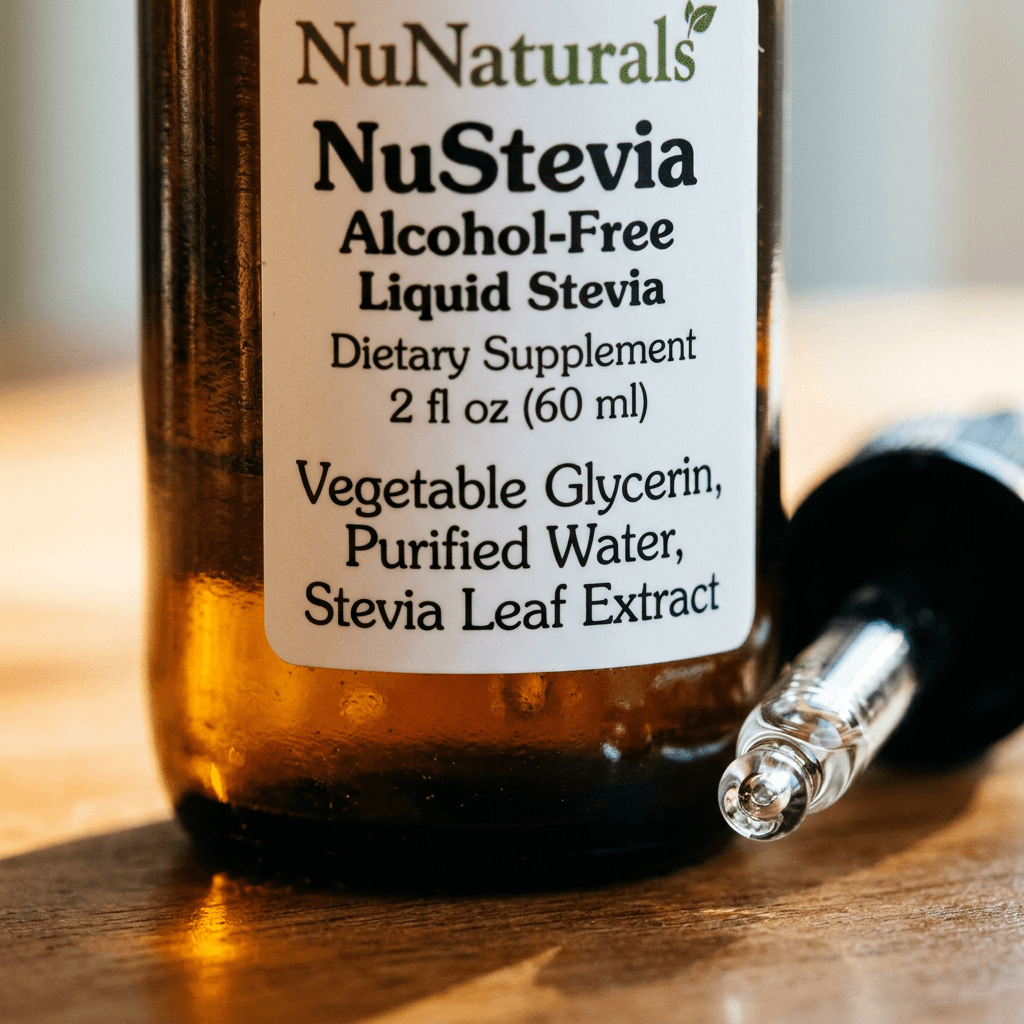
- Purity — 9.3/10: Minimal ingredient list (water, vegetable glycerin, stevia extract), non-GMO, no artificial anything, no alcohol.
- Daily Usability — 9.4/10: The narrow dropper tip is one of the best in this category — precise, clean, no mess. Mixes well in both hot and cold beverages.
- Packaging — 9.0/10: Compact 2-oz amber glass bottle travels well and fits in a gym bag, purse, or desk drawer without taking up significant space.
Tips for Success
- Start with two drops, not five. Stevia sweetness varies by taste receptor sensitivity. Two drops in a 10–12 oz mug is the right starting point; go up from there. Overshooting causes bitterness that’s hard to walk back.
- Shake before each use. The glycerin base can settle slightly over time. Five seconds of gentle shaking keeps the formula consistent.
- Add to hot liquid before stirring in other ingredients. In coffee, I add the drops before the cream so the heat helps distribute the sweetness evenly.
- For baking, account for missing bulk. Stevia doesn’t provide the structure that sugar does. If you’re replacing sugar in a recipe, compensate with a small amount of allulose or erythritol for volume and texture, and use stevia for sweetness.
- Keep out of direct sunlight. The amber glass offers some protection, but a dark cabinet is better. UV exposure can degrade stevia extract over time.
- Use a measuring spoon if you’re dialing in a baking recipe. The dropper is great for drinks, but for precise baking ratios, a ¼-tsp measuring spoon gives you better replicability batch to batch.
Pros and Cons Values
Pros
- Genuinely alcohol-free formula using vegetable glycerin — safe and appropriate for recovery, pregnancy, kids, and religious dietary needs
- Clean, pleasant taste with no perceptible bitterness at typical serving sizes (3–5 drops)
- Precision glass dropper tip delivers consistent drop size and zero mess
- Non-GMO, minimal ingredient list — no artificial sweeteners, fillers, or preservatives beyond the glycerin itself
- Compact 2-oz amber glass bottle holds up well over months and travels easily
Cons
- Slightly higher price point than some alcohol-based stevia drops of similar volume
- Glycerin base can feel marginally thicker at cold temperatures, requiring a shake before each use
- 2-oz size may not satisfy heavy users who’d prefer a 4-oz or 8-oz option without reordering frequently
Product Specification
| Attribute | Detail |
|---|---|
| Size | 2 fl oz (59 ml) |
| Servings Per Container | ~48 (at ¼ tsp / approx. 150–200 individual drops) |
| Calories Per Serving | 0 |
| Sweetener Base | Vegetable Glycerin + Purified Water |
| Alcohol-Free | Yes |
| Erythritol-Free | Yes |
| Organic | No (conventional, non-GMO) |
| Non-GMO | Yes |
| Gluten-Free | Yes |
| Country of Origin | USA (Eugene, Oregon) |
| Container Material | Amber glass with dropper |
| Shelf Life | 24 months from manufacture date |
| Active Compound | Rebaudioside A (Reb A) from Stevia rebaudiana leaf extract |
Safety & Third-Party Testing
NuNaturals has been producing stevia products since 1989 — that’s longer than most consumers have even heard the word “stevia.” They’re based in Eugene, Oregon, and have built their reputation largely on flavor quality and formula cleanliness rather than aggressive marketing. That history gives some baseline credibility, but let’s talk specifics.
The stevia extract used in this product is rebaudioside A, the most purified and best-studied steviol glycoside. Reb A carries GRAS (Generally Recognized as Safe) status from the FDA and has been reviewed by the Joint FAO/WHO Expert Committee on Food Additives, which set an acceptable daily intake of 4 mg per kg of body weight. To reach that threshold from drops alone, you’d need to consume an implausible quantity of this product in a single day.
Vegetable glycerin — the alcohol substitute in this formula — has an equally long safety record. It’s classified as GRAS, widely used in food, pharmaceutical, and cosmetic applications, and metabolized by the body differently than sugar (it doesn’t spike blood glucose in the same way, making it useful in low-glycemic formulations).
NuNaturals does not publish third-party heavy metal or contaminant testing results openly on their website, which is a gap compared to brands like Omica Organics that make their COAs (Certificates of Analysis) publicly downloadable. If third-party purity testing is a priority for you, contact NuNaturals directly — their customer service has historically been responsive and transparent about production standards. For most consumers, the brand’s three-decade track record and GRAS-classified ingredient list will be sufficient reassurance. For those with heightened sensitivity or specific medical conditions, requesting documentation is a reasonable step.
One note on glycerin and children: vegetable glycerin is considered safe for pediatric consumption and is found in many children’s supplements and medications. For parents switching to this product specifically to avoid alcohol, the glycerin trade is a clean one — no emerging concerns, well-studied, no known issues at typical dietary exposure levels.
Compare with Other
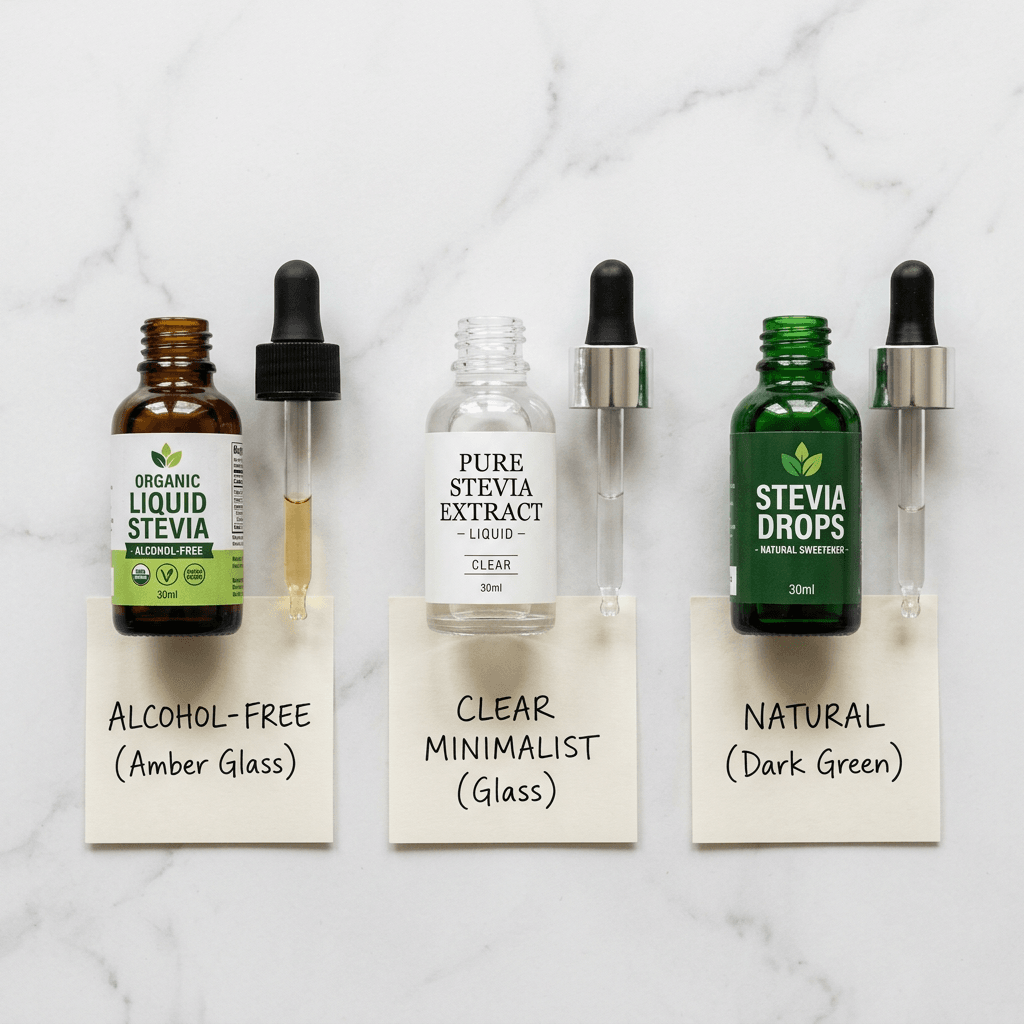
The alcohol-free liquid stevia market has grown significantly in the past five years. Here’s how NuNaturals stacks up against the most common alternatives.
| Product | Base | Alcohol-Free | Size | Approx. Price | Flavor | Best For |
|---|---|---|---|---|---|---|
| NuNaturals NuStevia Alcohol-Free | Vegetable glycerin + water | Yes | 2 oz | ~$10–$12 | Clean, smooth | Daily use, recovery, kids, pregnancy |
| SweetLeaf Sweet Drops (Original) | Water + alcohol | No | 1.7 oz | ~$8–$10 | Clean, slight alcohol edge | General adult use |
| Pyure Organic Liquid Stevia | Vegetable glycerin | Yes | 1.8 oz | ~$9–$11 | Slightly sweeter baseline | Organic preference buyers |
| NOW Foods Better Stevia Liquid | Water + alcohol | No | 2 oz | ~$7–$9 | Mild, functional | Budget-conscious daily users |
| Omica Organics Stevia Drops | Organic glycerin | Yes | 2 oz | ~$18–$22 | Rich, complex | Premium/organic priority buyers |
A few observations from this comparison. SweetLeaf is the most widely distributed alcohol-based option, and it’s a good product — the clean flavor is legitimately one of the better ones in that category. But it’s not suitable for Mark’s coffee. Pyure’s glycerin formula is closer competition to NuNaturals, and it’s a decent product, but the slightly heavier glycerin sweetness underneath means I’d pick NuNaturals for tea and lighter applications. Omica Organics is genuinely excellent — I actually keep a bottle for baking — but the price premium puts it in a different category than everyday-use drops. NOW Foods is the right answer if budget is the primary consideration and you’re not avoiding alcohol.
For the specific combination of clean flavor, precision dropper, alcohol-free formula, and accessible price, NuNaturals is the strongest all-rounder in this group.
Where to Buy and Price List
Amazon
NuNaturals NuStevia Alcohol-Free Clear Liquid Stevia 2oz is available on Amazon. Look for ASIN B08XKJR7NP. Current price as of this writing is approximately $10.99 with Prime shipping. Frequently bought in 2-packs which brings per-unit cost down slightly.
EnzoStevia.com
You can also purchase through enzostevia.com, where it’s listed at $11.49. Use coupon code AWESOME at checkout for 3% off, bringing your final price to approximately $11.15. EnzoStevia frequently bundles stevia products, so it’s worth checking if they have a multi-pack deal running when you visit.
Other Retailers
NuNaturals is also available at Whole Foods Market, Natural Grocers, and Sprouts in most regions. In-store prices typically run $11–$14 depending on location. Iherb.com and Vitacost both carry it at prices competitive with Amazon.
People Also Ask
Is alcohol-free liquid stevia actually better than regular liquid stevia?
“Better” depends on your situation. For most healthy adults, alcohol-based liquid stevia is perfectly safe — the ethanol content per serving is genuinely trace-level, comparable to what’s in vanilla extract or a ripe banana. The taste difference is also subtle: glycerin-based versions can have a marginally smoother mouthfeel, while alcohol-based versions may have a faint sharp note. Where alcohol-free becomes meaningfully better is for specific populations: people in alcohol recovery, pregnant women, children, and observant Muslims or others with religious dietary restrictions. If none of those apply to you, you can use either with confidence. If any of them apply, alcohol-free is the straightforward choice.
What is the difference between glycerin-based and alcohol-based stevia drops?
Both types use the same active sweetening compound — rebaudioside A extracted from the stevia leaf. The difference is the carrier and preservative system. Alcohol-based drops use food-grade ethanol (ethyl alcohol) dissolved in water to stabilize the extract. Glycerin-based drops use vegetable glycerin — a thick, plant-derived polyol — which is naturally antimicrobial and also mildly sweet. In practical terms: glycerin versions are slightly thicker, may have a subtler background sweetness from the glycerin itself, and carry no alcohol content. Both have roughly similar shelf lives (18–24 months) and dissolve well in hot and cold liquids.
Can children use liquid stevia drops that contain alcohol?
The amount of alcohol in a typical serving of alcohol-based stevia drops is genuinely small — most pediatric physicians consider it physiologically inconsequential at normal usage amounts. However, many parents prefer to avoid alcohol in their children’s food on principle, and that’s a completely reasonable position. If you’re using liquid stevia for kids’ beverages or foods, an alcohol-free, glycerin-based version like NuNaturals Alcohol-Free eliminates any concern entirely. Vegetable glycerin is widely used in children’s vitamins and liquid medications and carries a strong safety profile for pediatric use.
Does NuNaturals NuStevia Alcohol-Free work in baking?
Yes, with the usual stevia-in-baking caveats. The NuNaturals alcohol-free formula holds its sweetness through oven heat well, and the glycerin base doesn’t introduce any off-flavors in finished baked goods. The limitation isn’t specific to this product — it’s inherent to stevia in baking generally. Stevia doesn’t provide bulk, moisture retention, or the Maillard browning reactions that sugar does. For most baked goods, you’ll want to combine it with a bulk sweetener like allulose or erythritol to achieve proper texture and browning. Use the stevia drops for sweetness intensity, the bulk sweetener for structure, and your results will be reliable.
SERP
When I searched “alcohol free liquid stevia vs regular,” the top results were a mix of brand FAQ pages and general health content: Healthline led with a broad stevia overview that touches on extract types but doesn’t go deep on the alcohol distinction; SweetLeaf’s own website had a short explainer focused on their product line; and a couple of Amazon category pages for “stevia drops no alcohol” pulled up product listings rather than informational content. A Reddit thread on r/keto came up ranking higher than most editorial pages, which tells you the topic is underserved by quality standalone articles. The search also surfaced one or two dated natural-living blog posts from 2017–2019 that covered glycerin basics but didn’t compare specific products with current pricing or updated formulations. There’s a real gap for an up-to-date, comprehensive comparison — which is exactly why I wrote this.
Top 20 Topics
- Best alcohol-free liquid stevia drops 2025
- Glycerin vs alcohol stevia drops comparison
- Is stevia safe during pregnancy
- Liquid stevia for kids — what to know
- NuNaturals NuStevia review
- Does liquid stevia raise blood sugar
- Alcohol in vanilla extract vs stevia drops
- Best stevia drops for coffee
- Stevia drops for people in recovery
- Halal liquid stevia options
- How many drops of liquid stevia equals one teaspoon of sugar
- Rebaudioside A vs whole leaf stevia extract
- SweetLeaf vs NuNaturals stevia drops
- Vegetable glycerin sweetener safety
- Does stevia break a fast
- Liquid stevia shelf life and storage tips
- Best stevia for baking without aftertaste
- Omica Organics stevia review
- Pyure liquid stevia drops review
- Low-glycemic sweeteners for diabetics — liquid options