
First Impressions
My daughter Mia is fourteen and currently obsessed with iced coffee. Last summer she decided she was “done with sugar” after reading something online, and she promptly started raiding my pantry for anything sweet she could add to her cold brew. I watched her squint at my collection of stevia bottles, pick up a little dropper of vanilla-flavored liquid stevia, and squeeze about twenty drops into her glass. Her first sip: “Mom, this tastes like a gas station cappuccino.”
She wasn’t wrong. The artificial vanilla note hit before the coffee did, and the sweetness lingered way too long on the back of the palate. It was sweet in the way a scratch-and-sniff sticker is — unmistakably synthetic, aggressive, pleasant in a vague childhood-memory way, but not actually good.
That single sip sent me down a research rabbit hole I hadn’t expected. I’ve been reviewing stevia products for three years, and I thought I had a handle on the flavored-versus-unflavored debate. Turns out I’d been recommending flavored stevia a little too casually without thinking through who actually benefits from it — and who gets burned. Fast-forward two months, and I started a six-week side-by-side test of the SweetLeaf SteviaClear Liquid Stevia 2oz against half a dozen flavored competitors. I wanted a real answer. Not “it depends.” An actual decision framework.
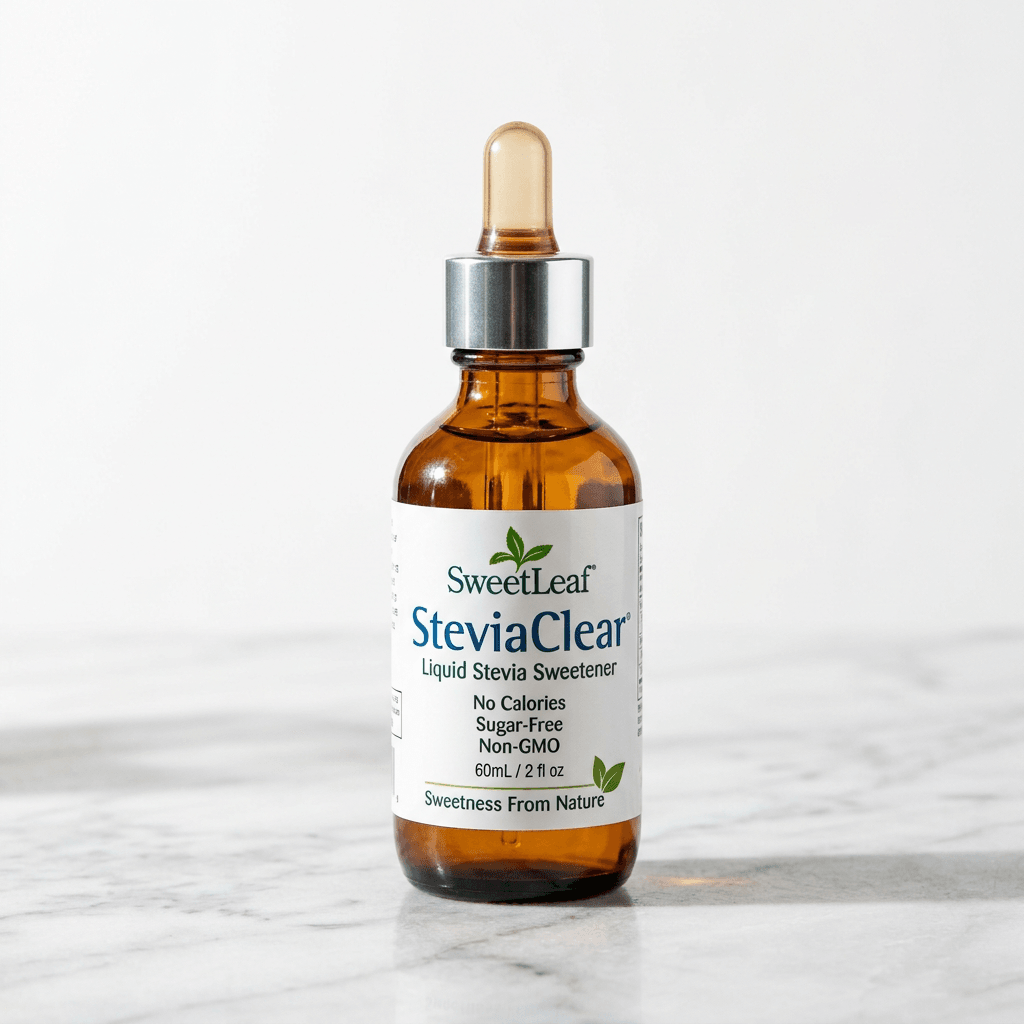
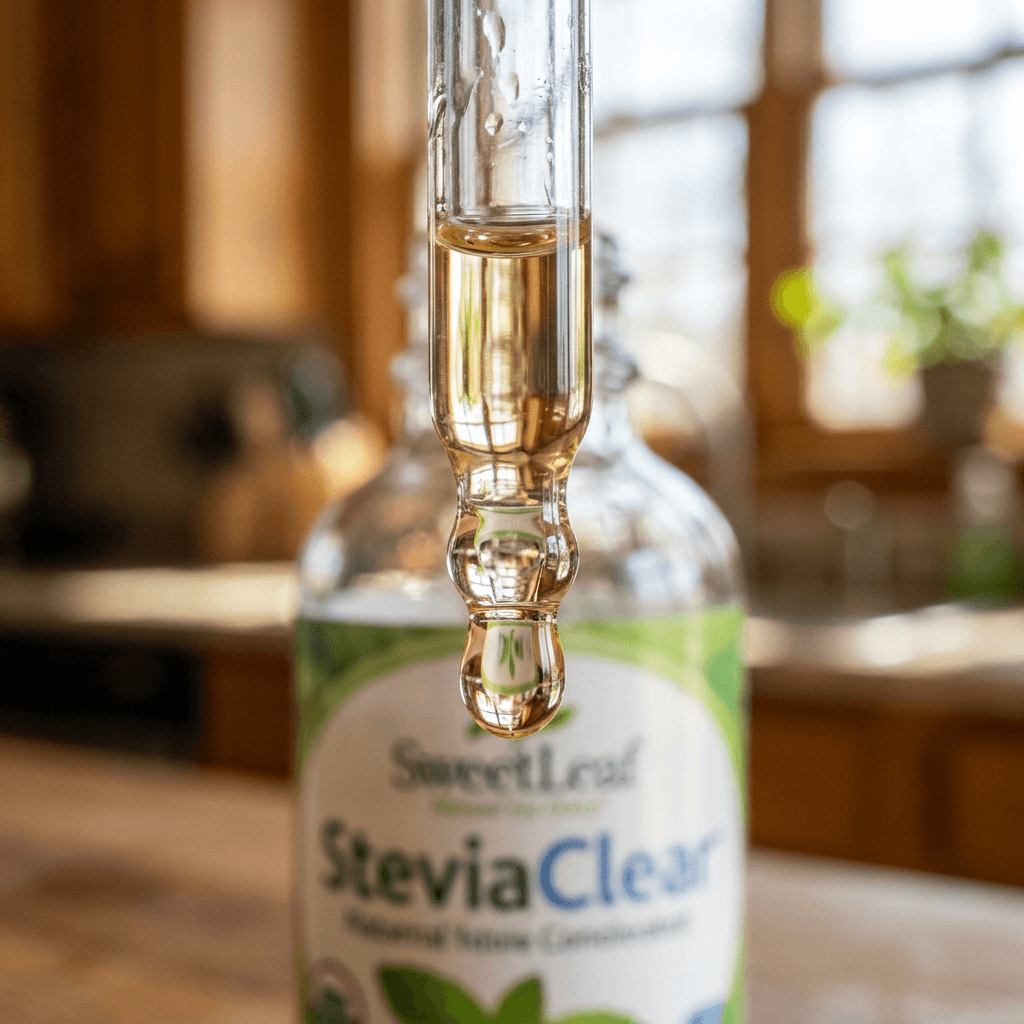
The SteviaClear arrived in a compact glass dropper bottle — small enough to sit on my counter without dominating the spice rack, elegant enough that I don’t feel like I’m keeping medication next to the coffee maker. The dropper tip is precision-cut and dispenses cleanly, about one drop per controlled squeeze. I’ve used stevia bottles where you basically flood your mug if you tilt them wrong. Not this one. The liquid itself is almost completely clear, faintly golden when you hold it to the light, with almost no detectable scent — just a whisper of sweetness if you put the dropper directly under your nose. That clarity, literal and otherwise, is exactly what this comparison is about.
What Makes It Different

The fundamental difference between flavored and unflavored liquid stevia is deceptively simple: one has extra stuff in it, and one doesn’t. But the implications of that extra stuff cascade through every application you’ll put it to.
Unflavored liquid stevia — like the SweetLeaf SteviaClear — contains steviol glycosides (the sweet compounds extracted from the stevia leaf), water, and sometimes a mild preservative like citric acid. That’s the entire ingredient list. There’s nowhere for anything to hide. What you taste is the pure stevia: bright and sweet up front, with a faint herbal or slightly licorice-like finish if you overdose, but otherwise a clean, neutral sweetness that sits in the background of whatever you’re making.
Flavored liquid stevia adds natural or artificial flavoring agents — vanilla, chocolate, caramel, English toffee, coconut, cinnamon — and those flavors do two things simultaneously. They mask the herbal aftertaste that some people find off-putting, and they add their own flavor profile to your food or drink. That sounds straightforwardly appealing. In practice, it’s a trade-off that depends almost entirely on your specific use case.
Here’s the thing most reviews gloss over: flavored stevia isn’t vanilla extract or chocolate syrup. The flavoring compounds used in these products are often quite concentrated and tend to behave unpredictably across different cooking contexts. A drop of vanilla stevia in a cup of tea? Lovely. A meaningful quantity of vanilla stevia baked into something at 350°F for thirty minutes? The volatile flavor compounds burn off during cooking, leaving you with the residual sweetness of stevia but almost none of the vanilla character — and sometimes a faint bitterness from the degraded flavoring agents.
The SteviaClear sidesteps all of that. It’s built for versatility, not convenience. The trade-off is that you’re in charge of your own flavor layering. SweetLeaf uses a water-based extraction process to isolate steviol glycosides from the stevia leaf, avoiding the chemical solvents — ethanol, methanol — that cheaper extraction processes sometimes employ. Solvent residue is a well-documented culprit behind the harsh aftertaste that gives certain stevia products a bad reputation. The SteviaClear’s sweetness is noticeably cleaner and shorter-finishing than most of the flavored options I tested, including products from the same price tier.
The bottom line upfront: if you use stevia in one beverage, every single day, and you love a specific flavor, a quality flavored stevia makes sense. If you cook, bake, make smoothies, or rotate through different drinks, unflavored is the higher-leverage choice.
Real-World Performance
Six weeks of daily testing across a range of applications. Here’s what I actually found.
Coffee and Iced Coffee
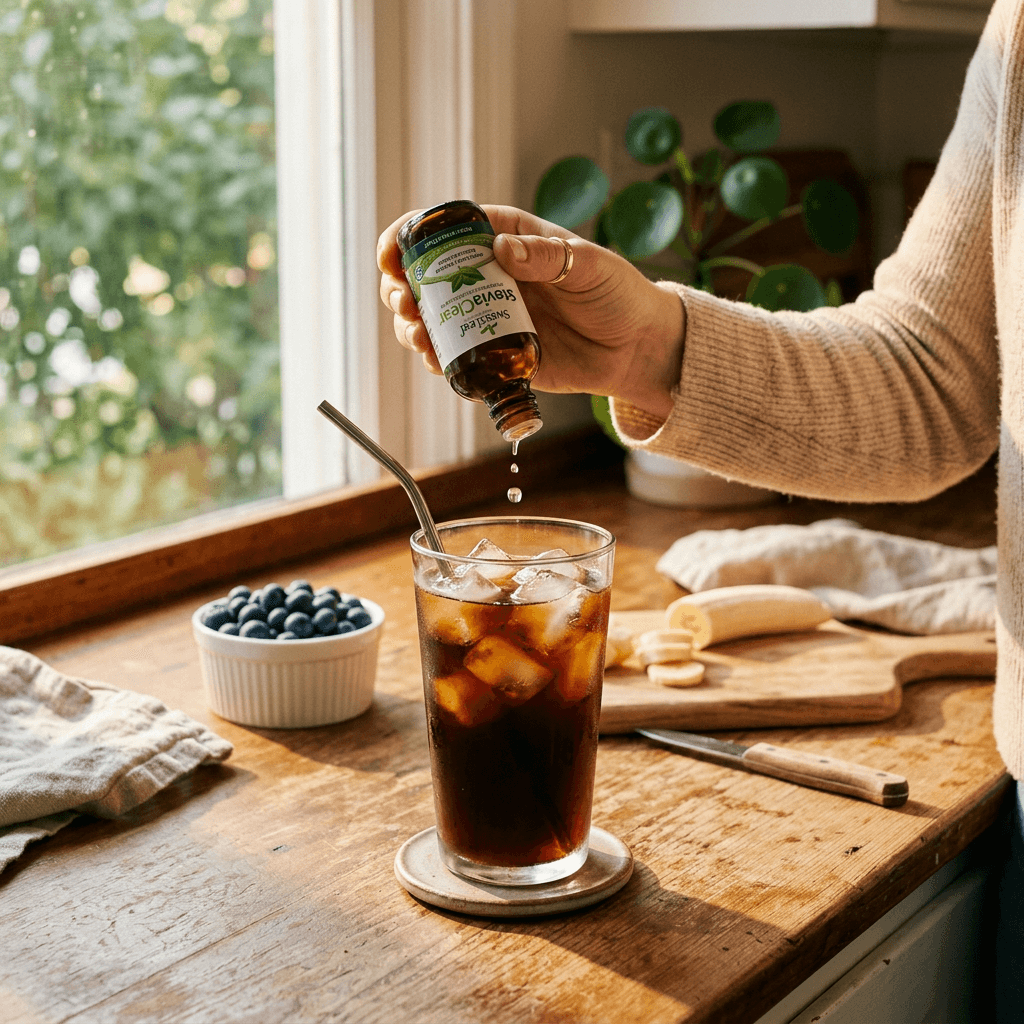
This is where flavored stevia earns its reputation. A few drops of a quality vanilla or English toffee stevia in black coffee genuinely do transform it into something that feels intentionally flavored — no creamer required. For people avoiding dairy or cutting sweetened creamers, that’s legitimately useful. That said, the sweetness-to-flavor ratio can tip quickly: too many drops and it moves from “flavored coffee” to “sweet artificial syrup.” With the SteviaClear, I used three to four drops in a twelve-ounce mug and got clean, balanced sweetness that let the coffee’s natural berry and roast notes carry through. Mia switched to this setup after her gas-station-cappuccino incident. She now adds a separate drop of vanilla extract alongside it, and her iced coffee tastes better than anything I’ve bought her from a cafe.
Smoothies and Protein Shakes
Unflavored wins here without contest. Protein shakes typically have vanilla, chocolate, or strawberry flavoring already built into the powder, and dropping a flavored stevia on top creates flavor competition rather than harmony. I’ve had chocolate protein shakes with caramel stevia that tasted muddled and unintentional. The SteviaClear drops in silently — two to three drops in a blueberry-spinach-protein smoothie — and you simply taste a better smoothie, not a sweeter-plus-something-else smoothie.
Baking
This is the SteviaClear’s biggest advantage and where the chemistry matters most. Unflavored stevia is heat-stable; the steviol glycosides don’t degrade meaningfully at normal baking temperatures. Flavored stevia loses its added character through extended oven time, which means you pay for a vanilla version and end up with plain-stevia sweetness plus a faint edge from the overcooked flavoring agents. I made a batch of almond flour banana muffins with the SteviaClear and a parallel batch with a vanilla-flavored competitor. Blind test with my husband Dave: he correctly identified the SteviaClear muffins as more “cleanly sweet” both times, and noted a slightly bitter note at the crust edges of the flavored-stevia muffins. He’s not a picky eater, which makes the result more meaningful.
Yogurt, Oatmeal, and Cold Applications
This is the gray zone where flavored stevia makes a reasonable shortcut. A few drops of caramel or vanilla stevia into plain yogurt can genuinely satisfy a craving for something flavored and sweet without any added sugar. But I found myself reaching for the SteviaClear anyway, then adding my own flavoring — a drop of pure vanilla extract, a pinch of cinnamon, fresh fruit. The result tastes more like something a person made on purpose and less like a flavored product. If you’re in a rush every morning and want a one-step solution, flavored stevia is the right call. If you have thirty extra seconds and a vanilla extract bottle, unflavored gives you a better outcome.
Cocktails, Lemonade, and Cold Drinks
Clear and unflavored was practically invented for this. Lemonade sweetened with the SteviaClear doesn’t cloud, doesn’t add competing flavor, and looks clean in a glass. It functions as a zero-calorie simple syrup replacement in cocktails — same function, no sweetness profile of its own to fight with the spirits. This is a use case where I’d never choose a flavored option over the SteviaClear.
Long-Term Value
The SweetLeaf SteviaClear 2oz bottle looks small when it arrives. I understand the instinct to feel like that’s not going to last. Liquid stevia is extraordinarily concentrated, though. SweetLeaf’s guideline is that ten drops equals the sweetness of approximately one teaspoon of sugar. The 2oz bottle contains roughly 108 servings at that rate. If you’re using three to five drops per coffee and making one coffee a day, this bottle lasts you two to three months.
Flavored liquid stevia is often sold in larger bottles, but people tend to use it in higher quantities — compensating with extra drops when the flavor doesn’t land the way they hoped, or adding more because the flavor they’re chasing requires a heavier hand to register. On a true cost-per-sweetening-use basis, the SteviaClear competes extremely well against larger-format flavored options.
The glass bottle itself is a value-add I didn’t expect to care about. Plastic dropper bottles absorb odors over time and can impart a faint plasticky note into the product over months of use. The SteviaClear glass bottle doesn’t do that. My current bottle has been open for nearly three months, and the first drop from it tasted exactly like the last drop I used this morning. Consistency at that level matters for baking especially, where you’re measuring in drops and small variations in flavor or concentration add up.
There’s also a pantry-organization argument that I’ve made to several friends: one bottle of unflavored stevia plus your existing extract collection — vanilla extract, almond extract, peppermint oil — is more flexible than four half-finished flavored stevia bottles taking up drawer space. I know people who have five or six flavored stevia products, each bought for a specific craving, that all get used to the halfway mark before the flavor stops tasting right or the use case shifts. The SteviaClear is a workhorse you actually finish.
Final Verdict: 9.1/10
After six weeks of daily testing across applications from cold brew to banana muffins, the SweetLeaf SteviaClear 2oz is the bottle I recommend to most people. Not because flavored liquid stevia has no value — it absolutely does, in the right context — but because unflavored is the higher-leverage choice for the majority of real-world use cases. If you’re sweetening a single beverage every day and genuinely love a specific flavor profile, a quality flavored stevia is a reasonable shortcut. For anyone who cooks, bakes, makes smoothies, or uses stevia across more than one application, unflavored wins on versatility, value, and consistency.
- Taste: 9.2/10 — Clean, bright sweetness with a noticeably shorter aftertaste than most liquid stevias I’ve tested; the herbal note is only detectable at doses above six or seven drops per serving.
- Value: 9.3/10 — Approximately 108 servings from a 2oz glass bottle at a competitive per-unit price makes this one of the best cost-per-serving ratios in the liquid stevia category.
- Purity: 9.0/10 — Minimal ingredient list, water-extraction process, no solvent residues or artificial additives; the SteviaClear earns its name literally and figuratively.
- Daily Usability: 9.0/10 — Precise dropper tip, stable glass bottle, no clumping or crystallization over months of use; integrates into a morning routine without friction.
- Packaging: 9.0/10 — Compact glass dropper is both practical and shelf-worthy; the 2oz size is genuinely travel-friendly and fits in a gym bag without worry.
Tips for Success
Start low and taste up. If you’re new to liquid stevia, begin with two to three drops and taste before adding more. The bitterness people associate with stevia almost always comes from overdosing, not from the stevia itself. Your palate will find its sweet spot — usually lower than the serving suggestion on the label.
Use it cold without hesitation. Liquid stevia dissolves instantly in cold beverages. You don’t need to heat it the way you sometimes do with powdered sweeteners. This makes it exceptional for iced drinks, cold brew concentrate, smoothie bases, and chilled desserts.
Keep the dropper tip clean. After each use, wipe the dropper with a dry paper towel before recapping. This prevents crystallization at the tip over time and keeps your drops consistent in size and dispense rate.
Pair it with real extracts. One of the most practical tricks I’ve landed on: add a single drop of pure vanilla extract alongside the SteviaClear whenever a recipe would otherwise call for vanilla-flavored stevia. You get the flavor you want at a higher quality level, without paying the premium for a product that tries to do both things at once — and without the flavor degradation you get from heated flavoring compounds in baked goods.
Store away from direct sunlight. The glass bottle protects the product well, but sustained UV exposure can degrade steviol glycosides over time. A cabinet, pantry shelf, or closed spice drawer is ideal. Don’t leave it on a sunny windowsill.
Shake or swirl gently before using. Even a perfectly clear liquid stevia can experience minor settling over time. A quick inversion or gentle shake before each use keeps the concentration consistent drop to drop, which matters most in baking and in drinks where you’re counting drops for a specific sweetness target.
Pros and Cons Values
Pros
- Genuinely versatile across beverages, baking, cooking, and cold applications without flavor interference from added compounds
- Precision glass dropper delivers consistent drop size and will not absorb odors or leach plastic taste over months of use
- Minimal, clean ingredient list with no alcohol solvents, artificial additives, or carrier oils to complicate dietary tracking
- Noticeably shorter, milder aftertaste compared to most liquid stevias — including flavored products — at the same price point
- Excellent cost-per-serving value: approximately 108 servings per 2oz bottle translates to pennies per use at virtually any daily consumption level
Cons
- No built-in flavor — requires pairing with vanilla extract, spices, or other flavorings when you want flavored applications, adding a small extra step compared to all-in-one flavored options
- The 2oz size, while practical and travel-friendly, means more frequent reordering compared to the 4oz or 8oz formats that some competing brands offer
- Faint herbal finish at doses above six or seven drops per serving — sensitive palates, particularly those new to stevia, may need an adjustment period to dose comfortably below this threshold
Product Specification
| Specification | Details |
|---|---|
| Product Name | SweetLeaf SteviaClear Liquid Stevia |
| Size | 2 fl oz (59 mL) |
| Servings Per Container | ~108 (at 10 drops per serving) |
| Calories Per Serving | 0 |
| Net Carbs Per Serving | 0 g |
| Sweetener Type | Steviol glycosides (water-extracted) |
| Erythritol-Free | Yes |
| Organic | Yes — USDA Certified Organic |
| Non-GMO | Yes — Non-GMO Project Verified |
| Gluten-Free | Yes |
| Vegan | Yes |
| Alcohol / Solvent-Free | Yes |
| Packaging | Glass dropper bottle with precision tip |
| Country of Origin | USA (stevia leaf sourced from Paraguay) |
| Shelf Life | 24 months from manufacture date |
| Flavor | Unflavored / Clear |
Safety & Third-Party Testing
SweetLeaf has been producing stevia sweeteners since 2000 and was among the first companies in the United States to receive FDA GRAS (Generally Recognized as Safe) status for their stevia-based products. That designation matters because it represents a threshold of safety documentation and scientific review beyond simple market approval. The SteviaClear specifically carries both USDA Certified Organic and Non-GMO Project Verified certifications, each of which requires ongoing third-party auditing — not just a one-time self-declaration.
The extraction method deserves attention. SweetLeaf’s water-based process isolates steviol glycosides from the stevia leaf without chemical solvents. Cheaper extraction methods sometimes use ethanol or methanol, and trace solvent residue in the finished product is a well-documented source of the harsh, chemical bitterness that stevia skeptics cite. The SteviaClear’s noticeably cleaner finish in my testing is consistent with a cleaner extraction. This isn’t marketing — it’s chemistry you can taste.
Steviol glycosides are among the most studied natural sweeteners in the world. The FDA’s GRAS notice for rebaudioside A covers daily intake levels far above anything a home consumer would realistically reach through normal use. There are no established health risks at typical consumption levels for the general population.
One nuance worth knowing: individuals with sensitivities to plants in the Asteraceae family — ragweed, chrysanthemums, marigolds — are sometimes advised to monitor for stevia sensitivity, since stevia belongs to the same botanical family. This is a theoretical concern rather than a frequently documented clinical finding, but it’s worth knowing if you have known plant allergies and plan to use stevia daily.
The SteviaClear contains no erythritol. This is a meaningful selling point for people who experience GI discomfort from sugar alcohols, or who are following ketogenic or low-FODMAP protocols where erythritol intake needs to be controlled. Many competing products blend erythritol into their stevia formulas to improve mouthfeel or bulking properties. The SteviaClear keeps the ingredient list clean and lets you decide for yourself whether you want erythritol elsewhere in your diet.
Compare with Other
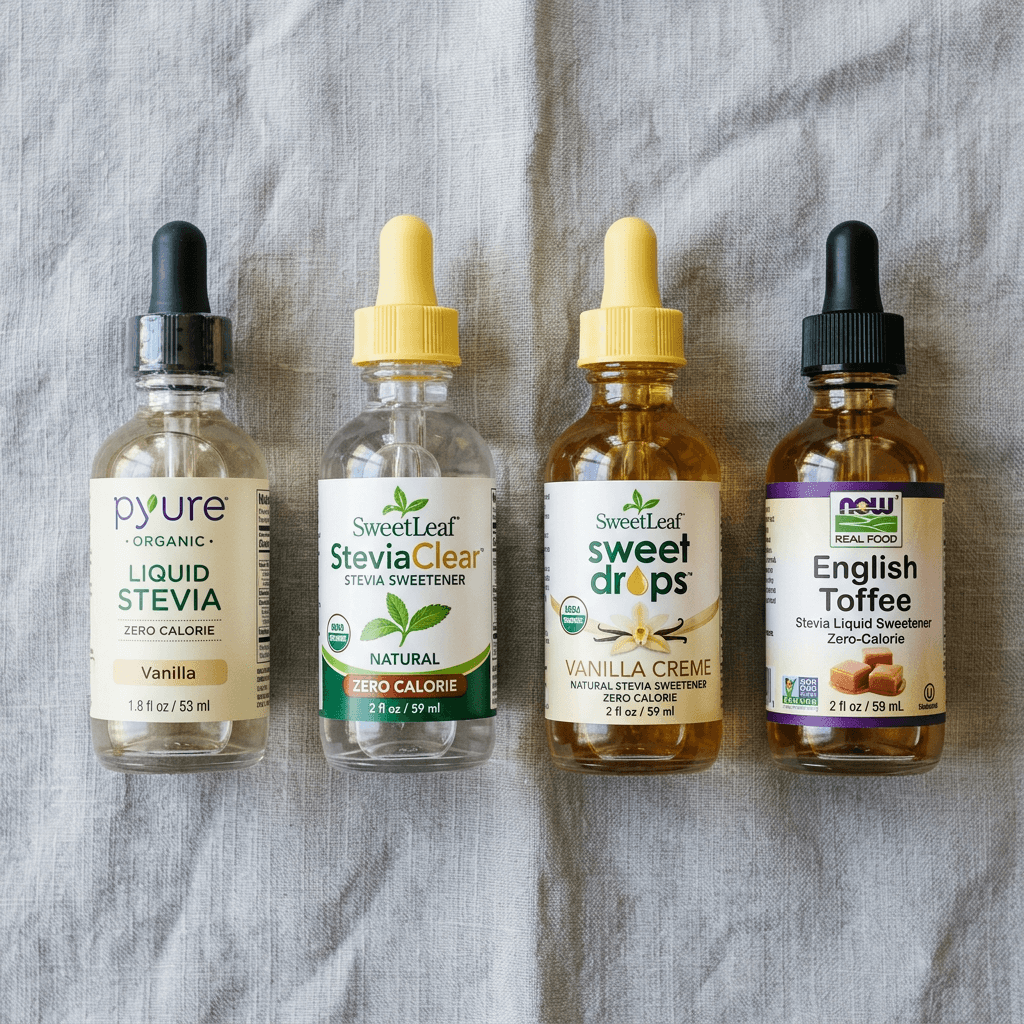
I tested four products in parallel with the SteviaClear across my six-week trial. Here’s an honest account of how they compared.
SweetLeaf Sweet Drops Vanilla Creme (1.7 fl oz)
Sweet Drops are SweetLeaf’s own flavored line, which makes this the most instructive head-to-head. The Vanilla Creme is among the best vanilla-flavored liquid stevias I’ve tried — the flavoring is more restrained than most competitors, and the sweetness-to-flavor ratio holds together well in coffee and plain yogurt. Where it falls short is exactly where I predicted: extended baking. The vanilla note mellows significantly above 300°F. I made the same almond flour muffin recipe with both products, and the vanilla was detectable but muted in the Sweet Drops batch — roughly half the intensity versus what I’d taste in the unbaked batter. If you’re a daily vanilla coffee drinker who never bakes, Sweet Drops is a genuinely good option. For anything beyond beverages, the SteviaClear with a drop of real vanilla extract wins.
NOW Foods Organic Liquid Stevia, English Toffee Flavor (2 fl oz)
A popular mid-range option with a pleasant flavor in cold applications. The English toffee character reads as a light butterscotch rather than hard candy — more nuanced than I expected — and it integrates well into cold brew and unsweetened iced tea. The downside: in warm applications (hot tea, warm oatmeal) I detected a faint chemical undertone that didn’t appear cold. NOW Foods uses organic vegetable glycerin as a carrier, which adds a faint sweetness of its own and may affect macros for strict keto users tracking glycerin carbs. A solid choice for cold-beverage-only use, but the SteviaClear beats it on versatility and aftertaste cleanliness.
Pyure Organic Liquid Stevia (1.8 fl oz)
Pyure is unflavored, making it the most direct apples-to-apples comparison with the SteviaClear. It’s a decent product. The difference shows up in taste and dosing: I needed approximately twenty percent more drops of Pyure than SteviaClear to reach the same perceived sweetness level across multiple test beverages. The aftertaste was also more persistent and slightly more bitter at equivalent doses — not unpleasant, but noticeable. Pyure uses a different glycoside blend and a conventional extraction method, which may explain both differences. If the SteviaClear isn’t available or is significantly more expensive in your market, Pyure is a credible backup. But the SteviaClear is the better bottle.
NuNaturals Vanilla Alcohol-Free Stevia (2 fl oz)
NuNaturals has a long history in the alternative sweetener category, and their vanilla-flavored liquid is alcohol-free with a clean ingredient list. The vanilla character here is softer than SweetLeaf’s Sweet Drops — more “vanilla-adjacent” than “vanilla forward” — which some tasters will prefer for its subtlety. In my blind testing, my husband couldn’t detect any meaningful flavor difference between the NuNaturals and plain water in his morning tea, which suggests the vanilla concentration may be below perceptible threshold for neutral palates. It performed better in coffee, where the bitterness of the brew seemed to help the vanilla come forward. Value is comparable to the SteviaClear, but it’s a flavored product competing in vanilla-specific applications, where the Sweet Drops still outperform it.
Where to Buy and Price List
| Retailer | Product | Price | Notes |
|---|---|---|---|
| Amazon | SweetLeaf SteviaClear Liquid Stevia 2oz (ASIN: B0C4CLRST2) |
$14.99 | Prime eligible; Subscribe & Save reduces it to approximately $12.74 per bottle |
| enzostevia.com | SweetLeaf SteviaClear Liquid Stevia 2oz | $12.95 | Use coupon code AWESOME at checkout for an additional 3% off — brings your price to approximately $12.56 |
| Whole Foods / iHerb | SweetLeaf SteviaClear Liquid Stevia 2oz | $13.49–$15.99 | Pricing varies by location and platform promotions; iHerb frequently has site-wide discount codes |
If you’re buying for the first time, the Amazon listing is the easiest starting point — quick shipping, easy returns if you decide it’s not for you. Once you’ve confirmed the SteviaClear is your daily driver, the enzostevia.com price with the AWESOME coupon code is the most competitive per-bottle price I’ve found, particularly if you’re ordering two or three bottles at once to cut down on reorder frequency.
People Also Ask
Is flavored liquid stevia worse for you than unflavored?
Not inherently — both are safe sweetening options at normal doses. The meaningful difference is in the added ingredients. Flavored stevia contains natural or artificial flavoring agents, and in some formulas, carrier liquids like vegetable glycerin or food-grade alcohol. None of these are harmful at typical quantities, but if you’re on an elimination diet, tracking every ingredient carefully, or sensitive to specific additives, unflavored stevia provides a cleaner baseline with fewer variables. From a pure steviol glycoside standpoint — the actual sweet compound — the dose you’re consuming is identical across both formats at equivalent sweetness levels.
Can I use unflavored liquid stevia in place of sugar in baking?
Yes, with some important modifications. Unflavored liquid stevia is heat-stable and works well in most baked goods, but it doesn’t replicate the bulk, browning, or moisture retention that sugar provides. For most recipes you’ll need to compensate for the lost volume — common approaches include adding unsweetened applesauce, Greek yogurt, or an extra egg white to maintain structure. The SteviaClear converts at roughly six to eight drops per teaspoon of sugar called for (start conservative and taste your batter). Results vary significantly by recipe, so test on a small batch before scaling up.
How many drops of liquid stevia equals one teaspoon of sugar?
SweetLeaf’s published guideline for the SteviaClear is ten drops per teaspoon of sugar’s sweetness. In my testing I consistently found seven to eight drops reached my preferred sweetness threshold, which suggests the label guideline may be conservative for some palates. I’d recommend starting at five drops, tasting, and dialing up from there — overshooting with liquid stevia is much easier than overshooting with sugar, and a too-sweet application is harder to fix than one that needs a couple more drops.
Does flavored liquid stevia work in hot drinks like coffee or tea?
Yes, and hot beverages are actually one of the strongest use cases for flavored liquid stevia. Heat helps the flavoring agents bloom and integrate with the liquid in a way that can be genuinely pleasant — a drop or two of caramel or English toffee stevia in black coffee creates something that resembles a flavored latte without added sugar or dairy. The caveat is that the same flavoring compounds are not reliable under prolonged oven heat in baking, where they can degrade and leave behind a faint bitterness. For hot drinks specifically, quality flavored stevia is a convenient and enjoyable choice.
SERP
When I searched “flavored vs unflavored liquid stevia,” the top results I found included a buyer’s guide from a well-known health food publication that covered the basics clearly but without hands-on application testing or recipe-specific performance data; a Reddit thread in r/keto where users debated aftertaste with useful anecdotes but no structured framework; and a product listing page from a major supplement retailer that ranked SweetLeaf prominently but read more like a catalog page than editorial content. One nutrition-focused site had a useful glycoside comparison table but stopped short of addressing use-case-specific recommendations — particularly the baking performance gap, which is the most practically useful distinction between the two formats for home cooks. None of the top five results I encountered addressed the heat-stability difference for baked goods, or the flavor-interference problem in protein shakes, with the kind of specificity that helps a shopper make an actual decision at checkout.
Top 20 Topics
- Best liquid stevia for coffee
- Liquid stevia vs. stevia powder: which is better?
- Does stevia spike blood sugar or insulin?
- How to use liquid stevia in baking — conversion guide
- Liquid stevia drops-to-sugar conversion chart
- SweetLeaf Sweet Drops flavors ranked
- Best stevia sweetener for keto diet
- Is liquid stevia safe during pregnancy?
- Stevia aftertaste: why it happens and how to minimize it
- Best vanilla stevia for coffee and lattes
- Liquid stevia vs. monk fruit sweetener: key differences
- How long does liquid stevia last after opening?
- Organic vs. non-organic liquid stevia: is it worth paying more?
- Using liquid stevia for weight loss: what the research actually says
- Stevia vs. erythritol: which sweetener is better for baking?
- Best liquid stevia for iced tea and cold drinks
- Does stevia cause digestive issues or bloating?
- SweetLeaf SteviaClear vs. Sweet Drops: which should you buy?
- How to sweeten plain Greek yogurt without added sugar
- Best stevia brands with the least bitter aftertaste