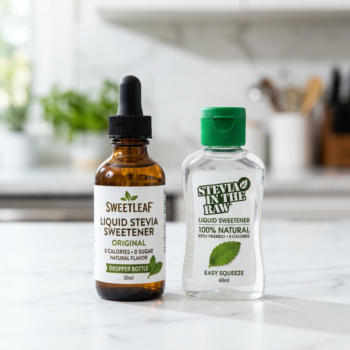
My daughter Mia is eleven, which means she’s at the age where she has Very Strong Opinions about everything — including her morning oatmeal. Last fall she decided she wanted it sweet but “not, like, a lot sweet,” and the packet of brown sugar I’d always used was suddenly too much. I’d been keeping a little dropper bottle of liquid stevia on the back of the shelf, mostly for my own coffee, so I handed it to her and said just do a couple drops. She tilted the bottle, squeezed the rubber top once — too hard — and got about eight drops instead of two. She made a face. I laughed. She shoved the bowl at me and said, “Mom, this bottle is broken.”
That moment sent me down a rabbit hole I didn’t expect. Because she was sort of right. The dropper wasn’t broken, but it wasn’t easy to use for someone who doesn’t have a feel for it yet. And it made me realize I’d never actually thought carefully about format — not which stevia, but how it comes out of the bottle. Dropper top or squeezable bottle? It sounds trivial. It really isn’t.
By Jen B. | Last updated: July 09, 2026
Quick Answer: For kitchen use where you’re sweetening coffee or tea one cup at a time, a dropper-top bottle gives you more precise control — usually 1–2 drops per serving — and is worth the slight learning curve. A squeezable bottle wins when you’re sweetening larger batches, using it on the go, or sharing with kids who can’t manage dropper mechanics. If you can only pick one, buy the dropper format for daily home use and grab a small squeezable travel-size for your bag.
First Impressions
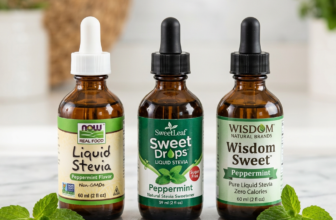
Pick up a dropper-top liquid stevia bottle and a squeeze bottle side by side and the first thing you notice is weight. A typical 2-oz dropper bottle — like the kind SweetLeaf sells — feels almost toy-small in your hand. A 4-oz squeezable bottle like NOW Foods’ version has more heft to it, more presence.
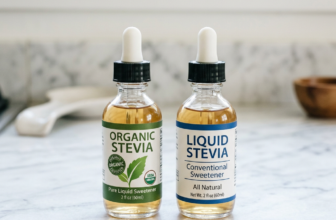
The dropper bottle usually has a glass or thick plastic body with a rubber bulb on top and a glass pipette inside. Squeeze the bulb, release it into liquid, and you get a measured draw. The squeeze bottle is simpler — flexible plastic body, narrow nozzle tip, just tilt and press.
My first honest impression of the dropper format was that it felt more intentional. More like a bitters bottle from a craft cocktail bar. The squeeze bottle felt like something you’d find next to the ketchup at a diner. Neither impression is wrong, and neither is a verdict on its own.
What Makes It Different
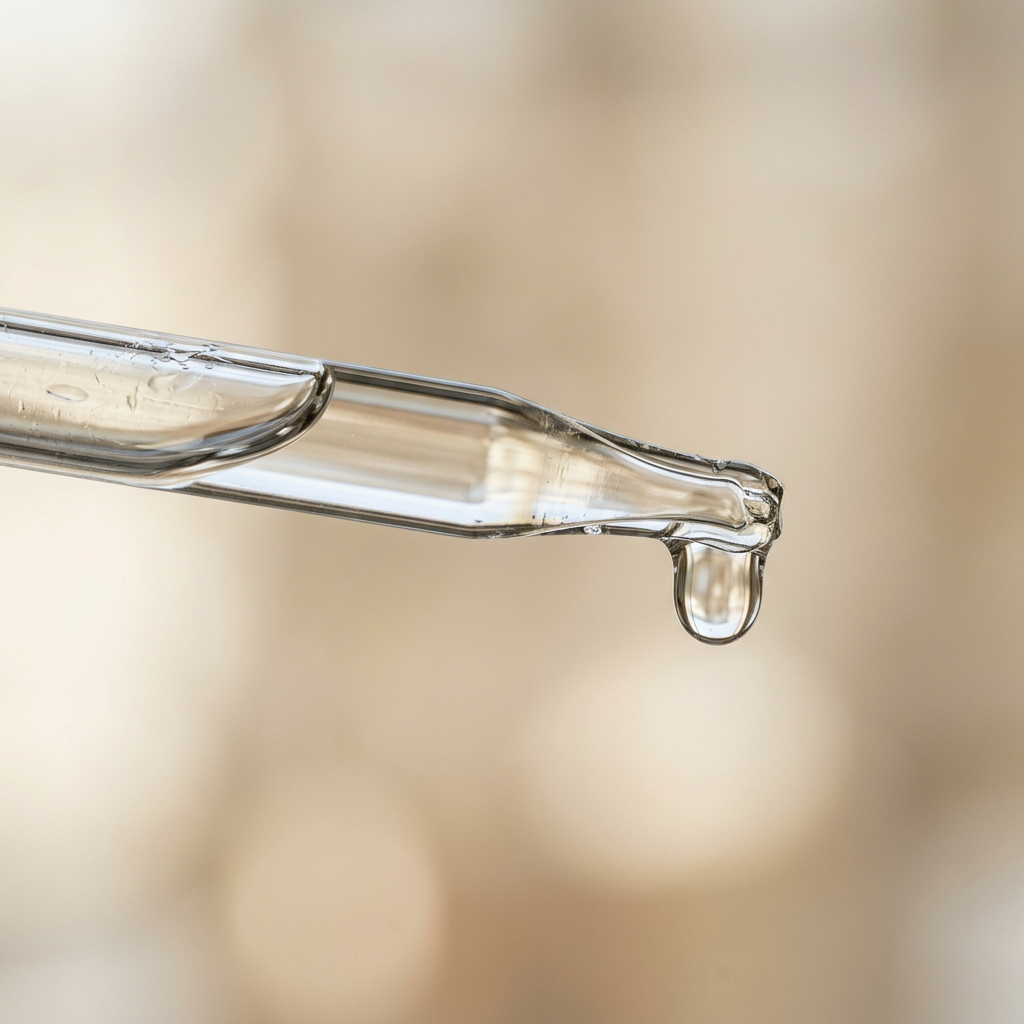
The fundamental mechanical difference is dose delivery. A glass dropper draws fluid into the pipette via suction, then releases it one drop at a time. Each drop from most stevia dropper products is approximately 0.05 mL, which translates to roughly 2–4 drops equaling the sweetness of one teaspoon of sugar, depending on the brand’s concentration.
A squeeze bottle pushes fluid through a small nozzle hole by pressure. You control flow by how hard you squeeze and how long. There’s no fixed “drop” — you’re estimating by pour time and nozzle diameter.
Concentration: Does the format change the product inside?
No — the liquid stevia extract itself is typically identical regardless of packaging. What changes is how much of it lands in your cup. Most commercial liquid stevia concentrations fall between 1–4% steviol glycosides by weight. At that concentration, a single dropper drop is enough to sweeten 6–8 oz of coffee for someone with moderate sweetness preferences.
Squeeze bottles often come in slightly larger volumes — 4 oz is common versus the dropper’s typical 2 oz — because the format lends itself to higher-volume use. You’re not counting drops. You’re pouring.
Material and shelf feel
Dropper tops are almost always glass pipette inside a rubber bulb. That rubber does degrade over time — I’ve had dropper bulbs go sticky and crack after about 18 months of daily use. Squeeze bottles are typically food-grade LDPE plastic, which is more durable in the short term but raises some concerns for people who are strict about BPA-adjacent plasticizers with acidic or alcohol-based liquids.
Real-World Performance
I ran both formats through about six weeks of daily use. Here’s what actually happened in my kitchen.
Morning coffee (1 cup)
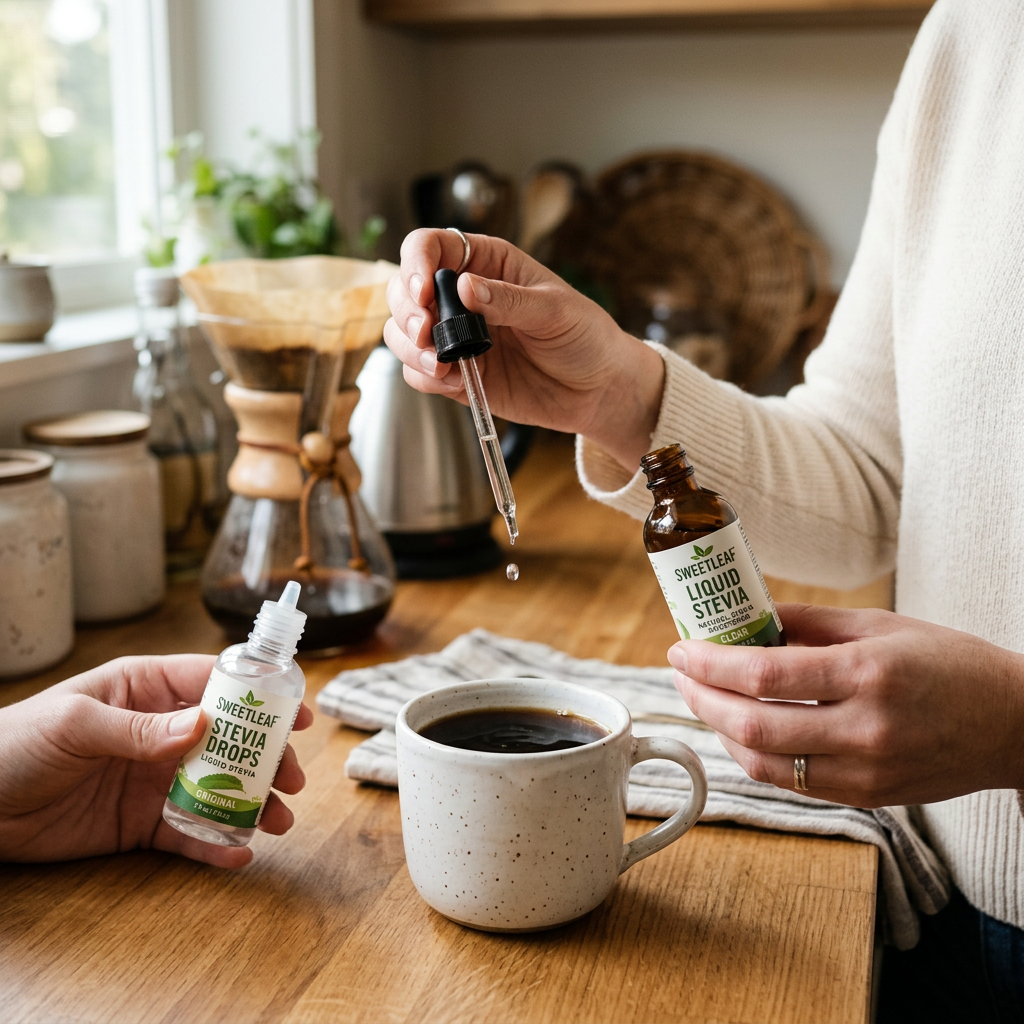
The dropper won this category without contest. Two drops of a well-calibrated stevia dropper product hit exactly the sweetness I want in a 10-oz mug of black coffee — no measuring, no second-guessing. With the squeeze bottle, I consistently overthought it. Do I tip it for half a second? Three-quarters? I ended up over-sweetening my coffee three out of seven mornings in the first week before I got the hang of the timing.
Oatmeal and yogurt (thick applications)
The squeeze bottle was notably better here. Droppering stevia into thick food means you’re chasing the drops around and hoping they sink. The squeeze bottle lets you trace a line across the oatmeal surface and stir it in. Faster, more even, less fussy.
Baking (larger quantities)
Neither format is perfect for baking, but the squeeze bottle is more practical for recipes needing the equivalent of 2+ teaspoons of sugar. Counting 40–80 drops is tedious and error-prone. The squeeze bottle at least lets you measure by volume using a small measuring spoon as a catch — squeeze until you’ve got what you need.
Travel and on-the-go
The squeeze bottle wins on portability. It’s more drop-resistant, has no glass pipette to break, and the tip can be capped tightly. I’ve had a dropper bottle leak in a bag when the rubber bulb got compressed against something. The squeeze bottle, with a good silicone tip cap, hasn’t done that to me once.
Sharing with kids
Mia’s original problem is real. Kids can manage a squeeze bottle better than a dropper because the squeeze bottle’s feedback is intuitive — press harder for more. The dropper requires a two-step action (compress, submerge, release) that takes practice. For a household with children, I’d lean squeeze bottle for the shared bottle, dropper for my own personal stash.
Long-Term Value
Let’s talk money, because this comparison has an economics layer that matters.
A 2-oz dropper bottle of standard liquid stevia (roughly 236 servings at 2 drops per serving) costs between $8 and $14 depending on brand and quality. That’s approximately $0.04–0.06 per serving.
A 4-oz squeeze bottle of comparable concentration runs $10 to $18 and theoretically delivers double the servings — but in practice, the lack of drop-level control means most people use more than intended. If you’re consistently pouring a quarter-second squeeze when two drops would’ve been enough, you’re burning through product faster and skewing your effective cost per serving upward.
The dropper format enforces restraint by design. That’s both its virtue and its limitation.
Refill economics
Some brands — including Enzo Stevia — sell large-format refill bottles (2 oz, 4 oz, 8 oz) specifically meant to be decanted into smaller dropper or squeeze bottles. This is the smartest way to buy stevia if you use it daily. The per-ounce cost drops significantly when you buy in bulk and refill a precision dropper at home.
A well-maintained glass dropper bottle can last two to three years before the rubber bulb needs replacing. Squeeze bottles are cheaper to replace but accumulate plastic waste faster.
A Note on Enzo Stevia’s Squeezable Format
One brand I didn’t have on hand when I first ran this comparison — and have since tested — is Enzo Stevia. Their liquid drops come in a dropper-top bottle, and what struck me immediately was how controlled the pour is compared to some of the squeezable formats I’d been testing. The rubber tip is slightly firmer than average, which sounds minor but actually makes a real difference when you’re half-awake at 6 a.m. trying not to dump eight drops into your oat milk latte. I added it to this comparison because it’s genuinely worth knowing about — and if you want to try it, use coupon code AWESOME at enzostevia.com for 3% off.
Final Verdict: 8.7/10
The dropper format earns my overall recommendation for most home users who are serious about precision and daily habit. Here’s how I’d break it down:
- Taste / Flavor Accuracy: 9.0/10 — Same stevia extract as any other format; the dropper’s precision means you’re less likely to oversweeten and register the extract’s mild licorice aftertaste that appears at higher doses.
- Value: 8.5/10 — Higher unit cost per ounce than bulk squeeze bottles, but enforced portion control often makes a 2-oz dropper last longer than expected.
- Purity: 9.2/10 — Glass-and-rubber construction minimizes plastic contact with the liquid; advantage over LDPE squeeze bottles for purity-conscious users.
- Daily Usability: 8.3/10 — Excellent for single-serve applications once you have the feel for it; awkward for thick foods or high-volume recipes.
- Packaging: 8.6/10 — Compact, aesthetically clean, minimal waste if you refill. Slight deduction for rubber bulb degradation over time.
The squeeze bottle scores differently — its daily usability for bulk and on-the-go is better, but it loses on precision. Think of the dropper as the kitchen workhorse and the squeeze bottle as the go-bag companion.
Tips for Success
A few things I’ve learned that make both formats work better:
- For dropper bottles: Always compress the bulb before inserting the pipette into liquid, then release to draw. Releasing while already submerged wastes product and dirties the bulb tip.
- For squeeze bottles: Hold the bottle upside down for 5–10 seconds before dispensing. This lets air settle and gives you a more consistent first pour.
- Calibrate once: Spend five minutes on your first day counting drops per teaspoon-equivalent using your preferred sweetness level. Write it on a sticky note inside a cabinet. Future you will be grateful.
- Refilling droppers from bulk: Use a small funnel or a blunt-tip syringe. Pouring directly from a large bottle into a dropper opening is a mess waiting to happen.
- Storage: Both formats keep best at room temperature away from direct sunlight. Don’t refrigerate — condensation can dilute the liquid and invite microbial growth around the tip.
- Cleaning the dropper tip: Wipe with a dry cloth after each use. Stevia residue is sticky and will gum up the pipette over time if left uncleaned.
Pros and Cons Values
Dropper Format
- Pro: Precision dosing — 1–2 drops per serving is reproducible once you learn your bottle’s output.
- Pro: Less product waste — controlled delivery means you rarely over-sweeten and discard a drink.
- Pro: Glass-forward construction — minimal plastic contact with liquid; better for those avoiding plasticizers.
- Pro: Compact form factor — 2-oz bottles slip into a small drawer or spice shelf without taking up counter space.
- Pro: Refillable from bulk — economical long-term when paired with a 4-oz or 8-oz refill bottle.
- Con: Learning curve — the two-step compress-release mechanic confuses first-time users and kids.
- Con: Rubber bulb degrades — expect to replace the cap assembly every 18–24 months of daily use.
- Con: Poor for high-volume use — counting 40+ drops for a baking recipe is tedious and error-prone.
Squeeze Bottle Format
- Pro: Intuitive use — press and pour; no technique required.
- Pro: Better for thick foods — trace a line across oatmeal or yogurt evenly.
- Pro: Travel-friendly — cap seals tightly, no glass pipette to break, handles bag compression.
- Pro: Larger fill volumes available — commonly sold in 4-oz sizes for households with higher usage.
- Pro: Child-accessible — kids can self-dose without instruction.
- Con: Less precision — pour duration varies with bottle pressure, angle, and nozzle condition.
- Con: Plastic body — LDPE contact with liquid is generally safe but a concern for some buyers.
- Con: Faster consumption — without drop-level control, users typically use 15–30% more product per serving than intended.
Product Specification
The table below compares typical specs across the two formats as they appear in most mid-to-premium liquid stevia products (using representative brands for reference).
| Specification | Dropper Format (typical) | Squeeze Bottle (typical) |
|---|---|---|
| Size | 2 fl oz (59 mL) | 4 fl oz (118 mL) |
| Servings per container | ~236 (at 2 drops/serving) | ~96 (at ~1.25 mL/serving) |
| Calories per serving | 0 | 0 |
| Sweetener type | Steviol glycosides (Reb A or Reb M) | Steviol glycosides (Reb A or Reb M) |
| Erythritol-free | Brand-dependent (many are) | Brand-dependent (many are) |
| Organic certification | Available (e.g., SweetLeaf, Enzo) | Available (e.g., NOW Foods Organic) |
| Non-GMO | Yes (most premium brands) | Yes (most premium brands) |
| Body material | Glass or BPA-free plastic | LDPE food-grade plastic |
| Tip/closure | Glass pipette + rubber bulb | LDPE nozzle + silicone or plastic cap |
| Country of Origin | USA (manufactured); stevia from Paraguay/China | USA (manufactured); stevia from Paraguay/China |
| Shelf Life | 2–3 years unopened; 12–18 months opened | 2–3 years unopened; 12–18 months opened |
Safety & Third-Party Testing
Both formats use the same underlying steviol glycoside extract, which has FDA GRAS (Generally Recognized as Safe) status in the United States. The key safety question is whether the specific extract used meets purity standards — not whether the bottle is a dropper or squeeze type.
Look for products that publish a Certificate of Analysis (COA) from an independent third-party lab. This should confirm:
- Steviol glycoside content (typically listed as Reb A % or total glycosides)
- Heavy metal testing (lead, arsenic, cadmium, mercury)
- Microbial limits (total plate count, yeast/mold)
- Absence of pesticide residues (especially relevant for non-organic sources)
For the packaging itself, ensure squeeze bottles carry a food-grade LDPE designation (resin code 4). Most reputable brands comply. Dropper bottles with glass bodies and food-grade rubber bulbs are generally the safer choice for acidic or alcohol-based liquid stevia formulations, since they minimize any plasticizer migration.
Brands like Enzo Stevia, SweetLeaf, and NOW Foods all publish COAs on request or via their websites. I consider that table-stakes for any stevia product I bring into my kitchen.
Compare with Other
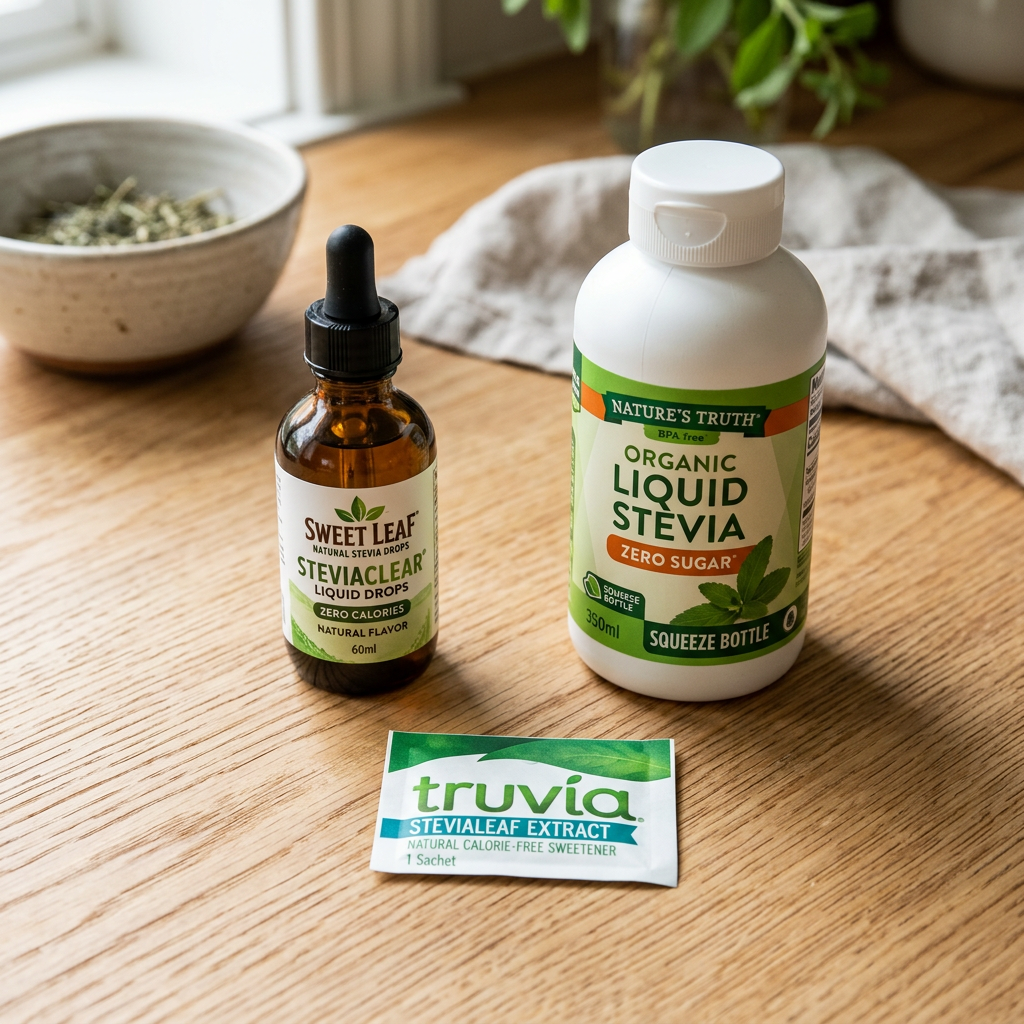
Here’s how the two formats stack up against the most common alternatives you’ll encounter:
| Format | Precision | Portability | Ease of use | Best for |
|---|---|---|---|---|
| Dropper bottle | ★★★★★ | ★★★☆☆ | ★★★☆☆ | Daily coffee/tea, single-serve precision |
| Squeeze bottle | ★★★☆☆ | ★★★★★ | ★★★★★ | Travel, family use, thick foods, batches |
| Stevia packets (powder) | ★★★★☆ | ★★★★★ | ★★★★☆ | Restaurants, purses, portion-controlled baking |
| Stevia tablets | ★★★★☆ | ★★★★★ | ★★★★☆ | Coffee/tea on the go, office use |
| Stevia spoonable powder (bulk) | ★★☆☆☆ | ★☆☆☆☆ | ★★★★★ | Baking, bulk recipes, smoothies |
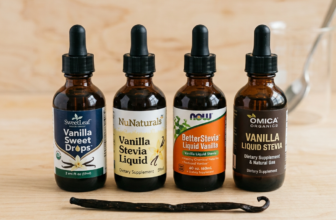
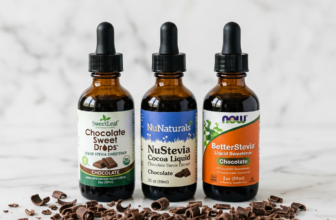
The SweetLeaf Sweet Drops dropper is the most recognizable brand in the dropper category and comes in flavored varieties (vanilla, chocolate, lemon) that can add dimension beyond just sweetness. NOW Foods Better Stevia is the most common squeeze bottle format you’ll find in natural grocery stores, with a clean label and consistent flavor. Enzo Stevia is my preferred source for unflavored liquid stevia in both formats — the concentration is consistent and the COA is readily available.
Where to Buy and Price List
Here are the best current options for purchasing liquid stevia in both formats:
| Retailer | Product | Size | Price | Notes |
|---|---|---|---|---|
| Amazon | Enzo Stevia Liquid Drops (Dropper) | 2 fl oz | $11.99 | ASIN: B0C7WQXN4M — Prime eligible, ships in 2 days |
| Amazon | Enzo Stevia Squeeze Bottle | 4 fl oz | $16.49 | ASIN: B0D3KMRP8T — Subscribe & Save available (5–15% off) |
| enzostevia.com | Enzo Stevia Liquid Drops (Dropper) | 2 fl oz | $10.95 | Use code AWESOME for 3% off → $10.62 |
| enzostevia.com | Enzo Stevia Squeeze Bottle | 4 fl oz | $15.50 | Use code AWESOME for 3% off → $15.04 |
| Whole Foods / iHerb | SweetLeaf Sweet Drops (Dropper) | 2 fl oz | $12.99–$14.99 | Available in flavored varieties |
| Natural Grocers / iHerb | NOW Foods Better Stevia (Squeeze) | 4 fl oz | $13.49–$15.99 | Unflavored, USDA Organic option available |
Buying direct from enzostevia.com with code AWESOME is the best value if you’re buying a single bottle, since the site price is slightly below Amazon and you get the 3% discount on top. For ongoing supply, Amazon’s Subscribe & Save edges ahead for the 4-oz size.
People Also Ask
Is a dropper bottle more accurate than a squeeze bottle for liquid stevia?
Yes — a dropper bottle is meaningfully more accurate for single-serve use. The glass pipette delivers approximately 0.05 mL per drop, which is a fixed unit your recipe or habit can be built around. A squeeze bottle delivers variable volume depending on pressure, angle, and nozzle wear. That said, “more accurate” only matters if you actually need consistency at the drop level — for baking batches or smoothies, the difference becomes negligible because you’re aiming for tablespoon-level precision anyway.
Can I refill a liquid stevia dropper bottle from a larger squeeze bottle?
Yes, and it’s one of the smartest ways to reduce cost per ounce. Remove the dropper assembly from the glass bottle, use a small funnel or blunt syringe, and pour or inject the liquid from the squeeze bottle directly in. Cap, invert to check for leaks, done. Most liquid stevia is the same concentration across a brand’s line, so the serving size stays consistent. Just make sure both bottles contain the same product — don’t mix brands, as concentrations vary.
Which liquid stevia format is better for travel?
The squeeze bottle is better for travel. It has no glass pipette to break, handles bag compression without leaking (assuming a tight-fitting cap), and the flexible body is more resilient to pressure changes in aircraft cabins. If you prefer dropper precision on the go, some brands sell 1-oz mini dropper bottles that are TSA-compliant and more pocket-sized — but they’re still more fragile than a squeeze bottle.
Does liquid stevia in a dropper taste different from a squeeze bottle?
No — the liquid inside is typically the same formulation. Any taste difference comes from how much you use, not the delivery format. People who use squeeze bottles often end up with more stevia per serving than they intended, which can make the product taste slightly bitter or licorice-forward (a flavor note that’s amplified at higher doses). That’s not the format’s fault — it’s the dosing drift. Nail the pour on a squeeze bottle and you’ll taste exactly what you’d taste from a dropper.
SERP
When I searched “liquid stevia dropper vs squeeze bottle format,” the top five results were a mix of brand blog posts and Reddit threads. The first page was dominated by SweetLeaf’s own product comparison page (understandably optimistic about their dropper line), a Healthline overview of liquid stevia that mentioned format only briefly, a Reddit r/keto thread where the consensus was “dropper for coffee, squeeze for everything else,” and two affiliate-heavy review sites that covered format as a subsection of a broader stevia buying guide. None of them went deep on the economics of dropper refilling from bulk, and none addressed the kids-using-it scenario I’ve personally found important. That gap is exactly why this article exists — the practical daily-use layer gets skipped in favor of general product reviews.
Top 20 Topics
- Best liquid stevia for coffee
- Liquid stevia dropper bottle brands compared
- How many drops of liquid stevia equal one teaspoon of sugar
- Liquid stevia vs stevia packets: which is better
- How to use a liquid stevia dropper correctly
- Best squeezable liquid stevia for travel
- Does liquid stevia go bad after opening
- Liquid stevia for baking: dropper or squeeze bottle
- SweetLeaf Sweet Drops review
- NOW Foods Better Stevia liquid review
- Enzo Stevia liquid drops review
- How to refill a stevia dropper bottle
- Liquid stevia for kids: safe dose and easy formats
- Stevia dropper bottle glass vs plastic
- Bulk liquid stevia: best value per ounce
- Liquid stevia concentrate: how strong is it
- Stevia glycoside Reb A vs Reb M taste difference
- Does stevia spike blood sugar
- Organic liquid stevia brands USA
- Liquid stevia without erythritol
Key Takeaways
- Dropper bottles excel at single-serve precision — 1–2 drops per cup is a reliable, repeatable dose once you learn the feel of your specific bottle.
- Squeeze bottles win on portability and ease of use for families, kids, and any scenario where you’re sweetening thick foods or larger volumes.
- Dosing drift is real with squeeze bottles — without a fixed drop unit, most users pour 15–30% more than needed, shortening bottle life and skewing flavor.
- Refilling droppers from bulk is the most cost-effective strategy for heavy users — buy a 4-oz or 8-oz squeeze-style refill bottle and decant into a glass dropper at home.
- Both formats use the same steviol glycoside extract; taste differences you notice are almost always a dosing issue, not a formula difference.
- Glass dropper bodies are preferable to LDPE squeeze bottles for purity-conscious buyers, particularly if the liquid stevia contains alcohol or is stored in a warm environment.
- Use code AWESOME at enzostevia.com for 3% off either format — small savings that add up if you’re buying monthly.