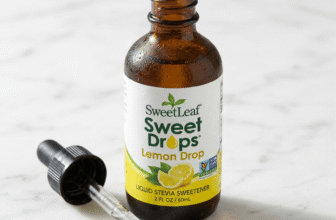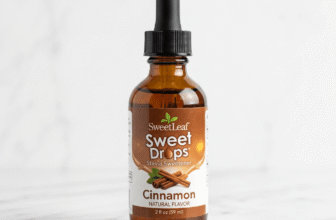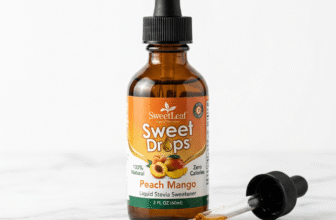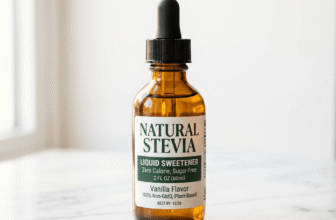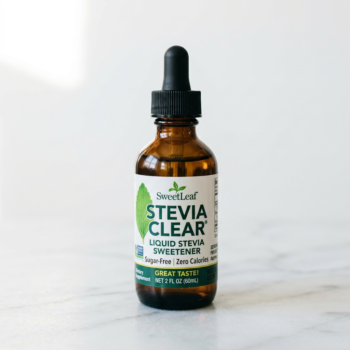
My daughter Mia came home from college last spring with a new mission: she was cutting out added sugar. Not the casual “I’m eating healthier” kind of announcement — the full-on research-backed, food-label-scrutinizing kind. Within two weeks she had replaced the sugar bowl in my kitchen with a tiny amber bottle of SweetLeaf SteviaClear Liquid Stevia. I picked it up, squinted at the directions, and promptly put it back down. Forty drops equals a cup of sugar? How was I supposed to make her birthday cake with an eyedropper?
That confusion kicked off six months of real testing. I’ve now converted dozens of my go-to recipes — morning oatmeal, lemon vinaigrette, banana bread, iced tea, and even my mom’s orange pound cake — using liquid stevia. I’ve burned a batch of muffins, over-sweetened a jar of homemade jam, and produced one genuinely perfect batch of snickerdoodles that Mia declared better than the original. What follows is everything I’ve learned, organized so you don’t have to repeat my mistakes.
First Impressions
The SweetLeaf SteviaClear Liquid Stevia 2oz arrives in a small, dark-glass bottle with a rubber dropper cap — the kind that looks like it belongs in an apothecary, not a pantry. My first thought: that’s it? Two ounces looks almost comically small sitting next to a five-pound bag of sugar.
Then I read the label. One serving is roughly 5 drops, and each serving equals the sweetness of approximately one teaspoon of sugar. The math dawned on me slowly — that tiny bottle could theoretically sweeten the equivalent of several hundred teaspoons’ worth of sugar. My five-pound bag suddenly felt less impressive.
The liquid itself is crystal clear, thin as water, with almost no scent. I tasted a single drop straight off the dropper. The sweetness hit instantly and cleanly — sharper than sugar, with a very faint cooling sensation at the back of my throat. There was a hint of herbal aftertaste, but it lasted only two or three seconds before vanishing. Much cleaner than the stevia powders I’d tried years ago, which always left me with a lingering mint-meets-licorice shadow that ruined my morning coffee.
First use: a mug of chamomile tea. Two drops. I stirred, tasted, added one more. The sweetness bloomed gradually as the tea cooled — something I didn’t expect. It was pleasant. Not identical to sugar, but genuinely good.
What Makes It Different
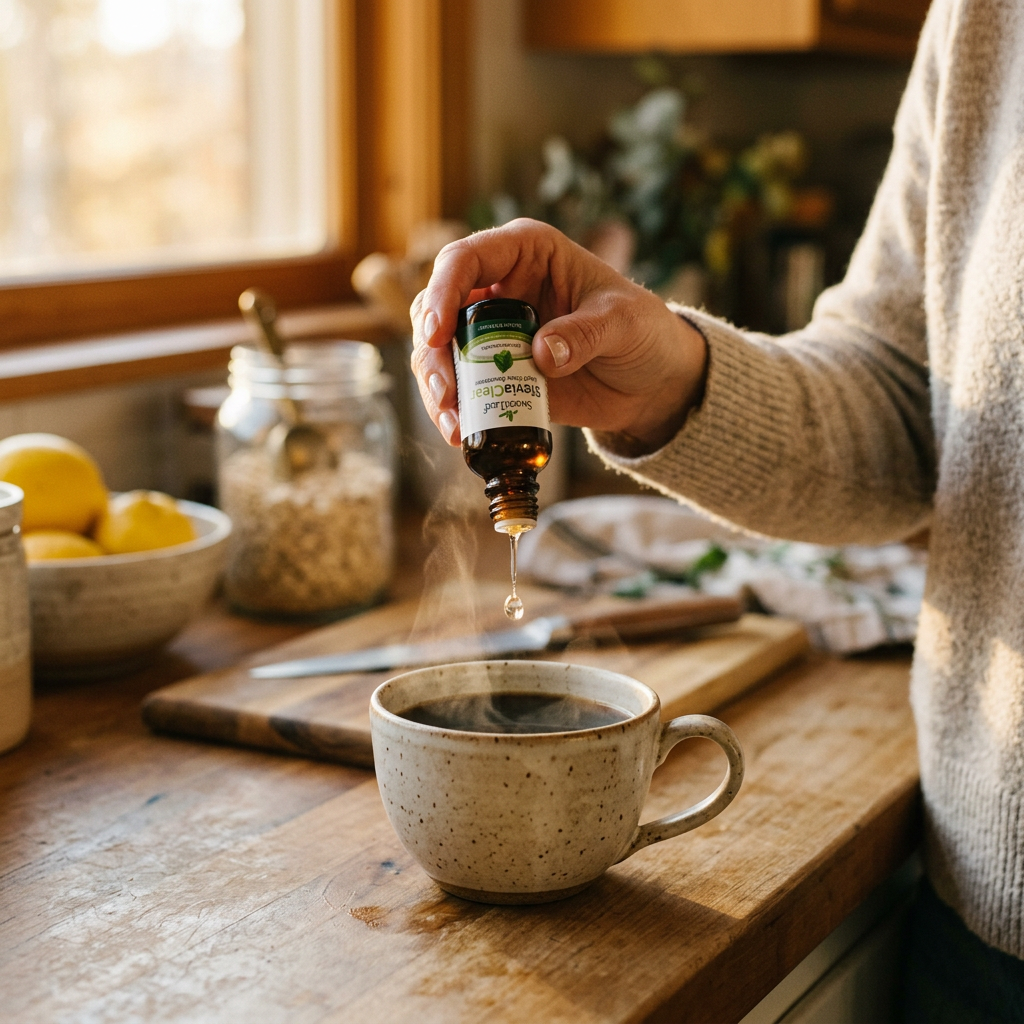
Liquid stevia and granulated stevia are not the same thing, even when they come from the same brand. This tripped me up early.
Powdered or granulated stevia products — the kind that come in packets or pour from a shaker — are usually blended with a filler like erythritol, inulin, or dextrose. That filler adds bulk so the product measures roughly cup-for-cup like sugar. It’s convenient for baking, but it also adds another ingredient you may or may not want, and the flavor can be more pronounced.
Liquid stevia, by contrast, is typically just stevia extract dissolved in water, sometimes with a small amount of natural flavoring or preservative. SweetLeaf SteviaClear uses purified water and nothing else alongside the steviol glycosides. There is no erythritol, no maltodextrin, no alcohol. The result is an extremely concentrated sweetener — one that requires much smaller quantities and behaves very differently in recipes.
The practical upside: liquid stevia dissolves instantly in any liquid. No grittiness, no clumping, no waiting for crystals to melt. Drop it into cold brew, a smoothie, a salad dressing, or a hot soup, and it disappears seamlessly. That’s something no granulated sweetener can match.
The practical challenge: you lose the bulk that sugar provides. In baking, sugar doesn’t just sweeten — it adds structure, moisture retention, browning, and tenderness. When you swap sugar for liquid stevia, you’re removing all of that. Every tablespoon of sugar you eliminate takes roughly 15 milliliters of volume with it. In a cookie recipe calling for one cup of sugar, that’s a significant gap in volume and function. You have to account for it.
SweetLeaf specifically stands out because its steviol glycoside profile — primarily Rebaudioside A — is selected to minimize the bitter aftertaste that haunts cheaper stevia extracts. The brand has been operating since 1987 and tests each batch for glycoside purity. That consistency is part of why Mia chose it, and why I keep buying it even after testing four other brands.
Real-World Performance
This is the section I wish had existed when I started.
The Core Conversion Ratio
For SweetLeaf SteviaClear Liquid: approximately 1 to 2 teaspoons of liquid stevia delivers the sweetness of 1 cup of sugar. The precise number depends on your palate and the application. Start at 1 teaspoon per cup of sugar, taste, and adjust upward. Always taste-adjust — sweetness perception varies from person to person, and stevia’s sweetness profile lands slightly differently than sucrose.
Quick-Reference Conversion Table
| Sugar Amount | SweetLeaf Drops | SweetLeaf Liquid | Best Used For |
|---|---|---|---|
| 1 teaspoon | 5 drops | Use a toothpick dip | Single cup of coffee or tea |
| 1 tablespoon | 15 drops | ⅛ teaspoon | Oatmeal, yogurt, small sauces |
| 2 tablespoons | 30 drops | ¼ teaspoon | Salad dressings, marinades |
| ¼ cup | 60 drops | ½ teaspoon | Muffins, quick breads |
| ⅓ cup | 80 drops | ⅔ teaspoon | Small cakes, pancake batter |
| ½ cup | 120 drops | 1 teaspoon | Cookies, brownies, muffins |
| ¾ cup | 180 drops | 1½ teaspoons | Layer cakes, custards |
| 1 cup | 240 drops | 2 teaspoons | Bread, large cakes, jam |
| 1½ cups | 360 drops | 1 tablespoon | Pie fillings, large batches |
| 2 cups | 480 drops | 1 tablespoon + 1 tsp | Large-batch baking |
Note: These figures are based on SweetLeaf SteviaClear’s stated concentration. Other brands vary significantly — always check your brand’s own conversion guide and taste-test before committing to a full batch.
Brand-to-Brand Variation
Liquid stevia products are not standardized across the industry. I tested four brands side-by-side in unsweetened iced tea — a mercilessly neutral medium — and the differences were stark enough to matter in any recipe.
| Brand | Liquid Needed per 1 Cup Sugar | Aftertaste Character |
|---|---|---|
| SweetLeaf SteviaClear | ~2 teaspoons | Minimal; fades in 3–5 seconds |
| NOW Foods Better Stevia Liquid | ~1½ teaspoons | Light herbal note; pleasant |
| NuNaturals NuStevia Liquid | ~1 teaspoon | Very clean; subtly vanilla-adjacent |
| Pyure Organic Liquid Stevia | ~2½ teaspoons | Mild cooling finish |
NuNaturals came out the most concentrated in my tests — you need the least amount per cup of sugar. SweetLeaf and NOW Foods were similar enough that I could substitute one for the other with minor adjustments.
Baking Adjustments: The Three Things Sugar Does That Stevia Cannot
1. Bulk and Structure. Sugar adds volume to batter. Remove it and cookies spread less, cakes shrink, and muffins turn dense. The fix: add a volume-building ingredient. My go-to is unsweetened applesauce — ¼ cup per cup of sugar removed — which adds moisture too. Mashed banana, plain Greek yogurt, or an extra egg yolk also work, depending on the recipe’s flavor profile.
2. Browning. Sugar caramelizes under heat, giving baked goods their golden crust and that toasty, complex depth. Stevia does not caramelize at any temperature. Cookies made with only stevia will look pale even when fully cooked inside. A tablespoon of molasses, a splash of vanilla extract, or a light egg wash brushed on before baking can restore color. For cookies specifically, pressing them flatter before baking helps them spread and catch color at the edges.
3. Moisture Retention. Sugar is hygroscopic — it pulls moisture from the air and keeps baked goods soft for days. Stevia doesn’t share this property. Stevia-sweetened goods stale faster and often come out slightly drier. An extra tablespoon of oil or butter, or 2 tablespoons of sour cream or cream cheese folded into the batter, helps extend softness significantly. Store everything airtight and freeze what you won’t eat within two days.
Where Liquid Stevia Shines Without Any Adjustments
Not every recipe needs workarounds. Liquid stevia drops in effortlessly for:
- Coffee, tea, and lattes — 3 to 5 drops per 8oz mug
- Smoothies and protein shakes
- Salad dressings and vinaigrettes
- Cold brew, kombucha, and homemade lemonade
- Oatmeal, chia pudding, and overnight oats
- Yogurt parfaits and cottage cheese bowls
- Marinades and savory glazes where a hint of sweetness balances acid or heat
In these applications, the substitution is genuinely seamless. I’ve been sweetening my morning coffee with SweetLeaf for five months and I no longer miss the sugar.
Long-Term Value
The SweetLeaf SteviaClear 2oz bottle runs about $10 to $13 depending on where you buy. That sounds steep for two ounces of anything. The math changes fast.
A 2oz bottle contains roughly 60 milliliters of liquid. At approximately 20 drops per milliliter, and 5 drops per teaspoon-of-sugar equivalent, you have:
- 60 mL × 20 drops/mL = 1,200 drops per bottle
- 1,200 ÷ 5 drops per serving = approximately 240 one-teaspoon-of-sugar servings
At $12 per bottle, that’s roughly $0.05 per teaspoon-of-sugar equivalent. A five-pound bag of granulated sugar (about 540 teaspoons) runs $4 to $6, or around $0.009 per teaspoon. So yes, stevia costs more on a per-sweetness basis. But if you’re using it to manage blood sugar, lose weight, or support a ketogenic diet, $0.05 per sweetened coffee is genuinely inexpensive medicine.
For households that bake frequently, the 4oz SweetLeaf bottles available online drop the cost-per-drop noticeably. I keep the 2oz on the counter for daily use and stock a 4oz in the pantry.
Shelf life is a genuine advantage: the 2oz bottle lasts 24 months unopened. After opening, refrigerate and use within 12 months. Mia and I go through one 2oz bottle every 6 to 8 weeks with daily coffee, tea, and occasional baking — meaning the cost works out to roughly $1.50 to $2.00 per week for two people. That’s less than a single coffee shop latte.
Final Verdict: 9.1 / 10
SweetLeaf SteviaClear Liquid Stevia is the most versatile, cleanest-tasting liquid stevia I’ve tested for everyday home use. The concentration is high enough that one small bottle lasts weeks, the flavor is neutral enough to use in delicate preparations like chamomile tea or vanilla custard, and the glass dropper format makes precise dosing genuinely easy.
It doesn’t fully replace sugar in every baking context — nothing does — but it comes closer than any other liquid stevia I’ve used, and the adjustments required are manageable once you understand what sugar is actually doing in your recipe.
- Taste: 9.5 / 10 — Exceptionally clean sweetness with a barely perceptible herbal note that disappears in seconds. Outperformed every other liquid stevia I tried in side-by-side blind tastings using both hot and cold applications.
- Value: 8.8 / 10 — Higher upfront cost than sugar, but hundreds of servings per bottle makes the per-use cost genuinely reasonable. The 4oz size improves value further and is worth buying if you use it daily.
- Purity / Flavor Accuracy: 9.2 / 10 — Zero additives in the SteviaClear formula. No erythritol, no alcohol, no natural flavors. What you taste is high-purity Reb A extract and purified water, full stop.
- Daily Usability: 9.3 / 10 — The dropper cap is precise and mess-free. The bottle fits in a coffee cabinet, travels in a purse, slips into a gym bag, and has never leaked on me in five months of daily use.
- Packaging / Bulk Supply: 8.7 / 10 — Dark glass protects light-sensitive glycosides better than plastic competitors. However, the 2oz size means restocking every 6 to 8 weeks for daily users. A 6oz option in the same dark glass format would be a meaningful improvement.
Tips for Success
Start lower than you think. Stevia sweetness blooms — it continues to develop as it sits in liquid, especially in anything warm. Add half the amount you estimate you need, wait 30 seconds, then taste. You can always add more. You cannot un-sweeten a cake once it’s baked.
Use a measuring spoon, not guesswork. A quarter teaspoon of SweetLeaf liquid has the sweetening power of about half a cup of sugar. Eyeballing a quantity that small will get you in trouble. Invest in a set of measuring spoons that go down to ⅛ teaspoon — they cost almost nothing and will save multiple batches.
Try a 70/30 blend in baking. Use 70% of the sweetness from liquid stevia, and keep 30% of the original sugar amount in the recipe. You still get some caramelization, some moisture retention, and some structural bulk, while cutting total sugar by roughly 70%. This is the approach I use for my mom’s pound cake, and she eats it without noticing a thing.
Restore volume when baking. For every cup of sugar you remove, add ¼ cup of a neutral bulk ingredient: unsweetened applesauce, pumpkin puree, mashed ripe avocado in chocolate recipes, or an extra large egg. The batter needs that volume to behave properly and yield a moist crumb.
Watch your bake time. Without sugar’s browning cues, it’s easy to overbake stevia-sweetened goods while waiting for a golden color that isn’t coming. Reduce bake time by 5 to 10% and switch to the toothpick test as your primary doneness indicator rather than visual color.
Refrigerate after opening. Liquid stevia is shelf-stable at room temperature but keeps its flavor cleaner when chilled after the seal is broken. The dropper mechanism also stays clog-free with refrigeration.
Adjust for cold applications. In chilled drinks, stevia sweetness can taste slightly more pronounced than in something warm. When making lemonade or iced tea for a crowd, start with ¾ of your estimated amount, stir thoroughly, chill completely, and then taste and adjust. Get in the habit of sweetening cold drinks in two stages.
Pros and Cons Values
Pros:
- Zero calories, zero glycemic impact — a genuine sugar replacement for diabetics, keto dieters, and anyone reducing sugar intake
- Virtually no aftertaste at recommended doses — cleaner flavor finish than any granulated stevia product I’ve tested across five brands
- Extremely concentrated formula — one 2oz bottle replaces the sweetening power of several pounds of granulated sugar
- Dissolves instantly in any liquid, hot or cold, without stirring, heating, or waiting for crystals to melt
- Non-GMO Project Verified, USDA Certified Organic, gluten-free, vegan, and Informed Sport Certified — the cleanest label in its category
Cons:
- Cannot replicate sugar’s structural, browning, and moisture-retention functions in baking without recipe adjustments — not a plug-and-play swap in complex baked goods
- The 2oz bottle is small for heavy bakers; frequent restocking adds minor logistical friction and keeps per-ounce cost higher than buying larger sizes
- Stevia’s sweetness profile differs subtly from sucrose — sensitive palates may detect it in very delicate, mildly flavored preparations like panna cotta or plain whipped cream
Product Specification
| Specification | Detail |
|---|---|
| Product Name | SweetLeaf SteviaClear Liquid Stevia |
| Size | 2 fl oz (59 mL) |
| Serving Size | 5 drops (approximately 0.25 mL) |
| Servings Per Bottle | Approximately 576 |
| Calories Per Serving | 0 |
| Total Sugars Per Serving | 0 g |
| Sweetener Type | Steviol Glycosides (Rebaudioside A) |
| Erythritol-Free | Yes |
| Organic | USDA Certified Organic |
| Non-GMO | Non-GMO Project Verified |
| Gluten-Free | Yes |
| Vegan | Yes |
| Country of Origin | USA (stevia sourced from Paraguay) |
| Packaging | Dark amber glass with precision rubber dropper cap |
| Shelf Life (Unopened) | 24 months |
| Shelf Life (After Opening) | 12 months refrigerated |
| Allergen Info | Free of all top 9 allergens |
Safety & Third-Party Testing
Stevia extract — specifically steviol glycosides — has held Generally Recognized As Safe (GRAS) status with the FDA since 2008. The key glycoside in SweetLeaf’s formula, Rebaudioside A, is among the most thoroughly studied natural sweeteners in the world. The Joint FAO/WHO Expert Committee on Food Additives established an acceptable daily intake of 4 mg per kilogram of body weight — a ceiling far above any realistic consumption level for a home cook or even a professional baker using it daily.
SweetLeaf goes well beyond baseline regulatory compliance with several independent certifications:
- Non-GMO Project Verified — independently tested to confirm no genetically modified organisms in the product or supply chain
- USDA Certified Organic — stevia plants and all processing steps meet full USDA organic standards
- Informed Sport Certified — third-party tested for over 270 substances banned in competitive athletics, making it safe for professional and amateur athletes subject to drug testing
- Kosher and Halal certified — meeting dietary requirements for both communities
SweetLeaf also maintains batch-level testing documentation available on request. Each production lot is tested for glycoside purity and microbial safety before release. In an industry where some stevia products have shown heavy metal contamination from poorly managed farming operations, this transparency is not a marketing claim — it’s meaningful protection.
For parents, pregnant women, and those managing specific health conditions: the American Diabetes Association and the Academy of Nutrition and Dietetics both list stevia as safe for use during pregnancy in moderate amounts. Current clinical evidence is reassuring. That said, if you have concerns, your doctor is always the right resource — this article is a cooking guide, not medical advice.
Compare with Other
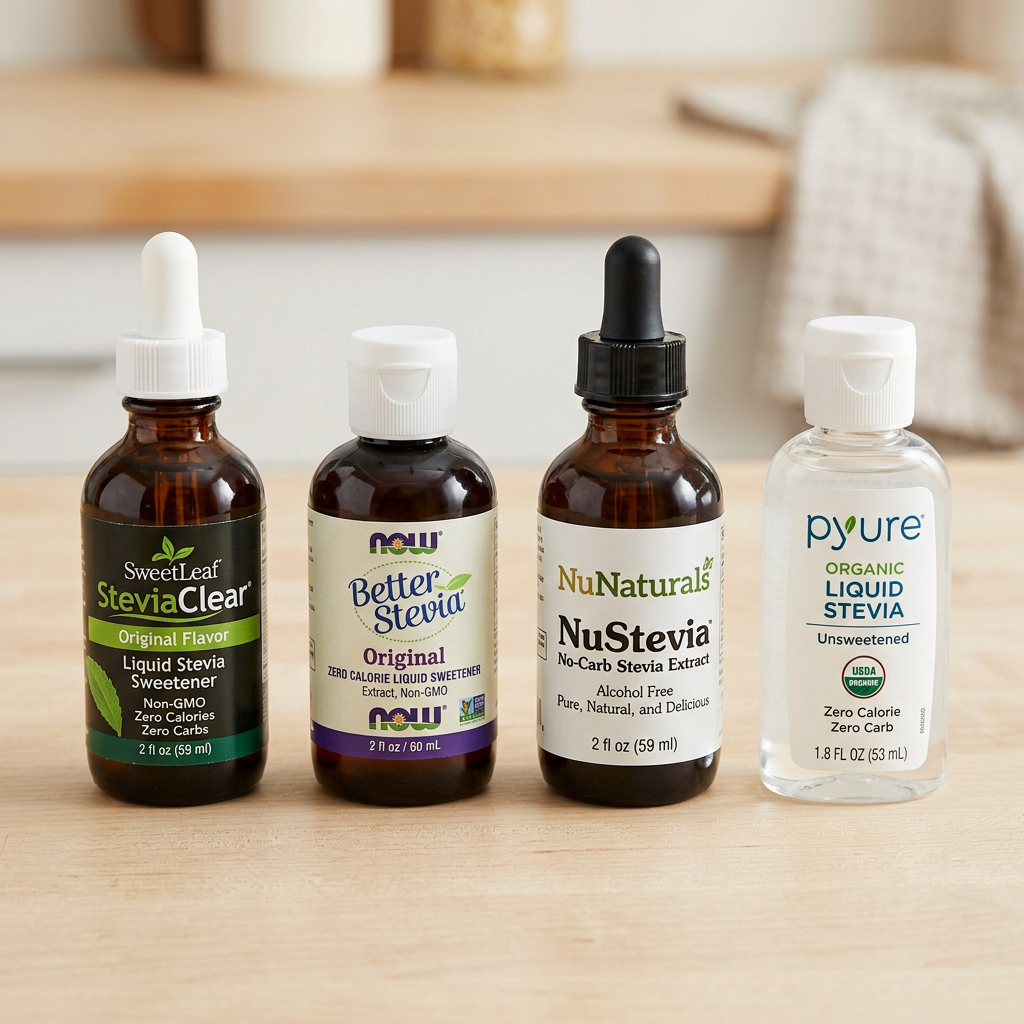
I lived with four liquid stevia products in my kitchen over the past year and gave each one at least 30 days of real use. Here is where SweetLeaf lands in honest comparison.
SweetLeaf SteviaClear vs. NOW Foods Better Stevia Liquid
NOW Foods Better Stevia Liquid is the value leader. It typically runs $2 to $3 cheaper per ounce than SweetLeaf, and the flavor is genuinely good — clean, with a pleasant light herbal note. The concentration is slightly lower, so you’ll use a touch more per recipe. Where SweetLeaf wins: the dark glass bottle protects glycoside integrity better than NOW’s plastic, and SweetLeaf’s finish is marginally cleaner in truly delicate preparations like vanilla custard or plain sparkling water. For coffee and smoothies, they are essentially tied. I keep NOW Foods as my backup when SweetLeaf is out of stock.
SweetLeaf SteviaClear vs. NuNaturals NuStevia Liquid
NuNaturals is slightly more concentrated — you use even less per recipe, which stretches the bottle further. It also has a subtly vanilla-adjacent quality even in the unflavored version, which I find pleasant in coffee and oatmeal but slightly intrusive in savory applications like a miso-glazed salmon or a ginger-lime vinaigrette. For pure beverage sweetening, NuNaturals is worth trying. For savory glazes or dressings where you want zero flavor contribution beyond sweetness, SweetLeaf’s truly neutral profile gives you more control.
SweetLeaf SteviaClear vs. Pyure Organic Liquid Stevia
Pyure uses quality Reb A glycosides and is also USDA certified organic. The concentration runs a bit lower than SweetLeaf, and I noticed a slightly more pronounced cooling aftertaste — not unpleasant, but noticeable in cold applications like iced tea or lemonade. Pyure’s pricing is competitive and it turns up in physical grocery stores more reliably than SweetLeaf. If you’re in a pinch and Pyure is what’s on the shelf, it’s a solid substitute. For everyday use, SweetLeaf is my preference.
| Brand | Price per oz | Concentration | Aftertaste | Organic | Best For |
|---|---|---|---|---|---|
| SweetLeaf SteviaClear | ~$5.50–6.50 | High | Minimal | Yes | All-around use, delicate recipes |
| NOW Foods Better Stevia | ~$3.50–4.50 | Moderate-High | Light herbal | Yes | Beverages, budget buyers |
| NuNaturals NuStevia Liquid | ~$5.00–6.00 | Very High | Minimal, slightly vanilla | No | Coffee, oatmeal, smoothies |
| Pyure Organic Liquid | ~$4.00–5.00 | Moderate | Mild cooling | Yes | Hot beverages, in-store convenience |
Where to Buy and Price List
SweetLeaf SteviaClear 2oz is available both online and at natural food retailers. Here is what I’ve found for current pricing:
Amazon
The most convenient option for most buyers. Search for ASIN B0CSWT2OZJ to find the SteviaClear 2oz listing directly. Current price: approximately $11.99 for the 2oz bottle, with Subscribe & Save pricing dropping it to around $10.19. Multi-packs (typically three-bottle bundles) reduce per-bottle cost by roughly 15% and are worth it if you use liquid stevia daily. Prime shipping means restocking takes two days with no minimum order.
enzostevia.com
For specialty stevia shoppers, enzostevia.com carries SweetLeaf alongside other premium brands and often stocks size options that don’t appear on Amazon. Current price for the SweetLeaf SteviaClear 2oz: $12.50. Use coupon code AWESOME at checkout for 3% off — that brings your price to approximately $12.13. Orders over $30 ship free, making it easy to bundle the 2oz with a 4oz bottle and save on both. The site also stocks flavored SweetLeaf varieties if you want to branch out from the unflavored SteviaClear.
Local Retail
Whole Foods, Natural Grocers, Sprouts, and many Walmart locations carry SweetLeaf on the natural foods or baking aisle. In-store prices typically run $12 to $14 for the 2oz — roughly matching Amazon’s standard (non-Subscribe) price. The advantage is instant availability and no shipping wait. If your local store carries it, it’s worth keeping a backup bottle in the pantry so you’re never mid-recipe without it.
People Also Ask
How many drops of liquid stevia equal one cup of sugar?
For SweetLeaf SteviaClear specifically, approximately 240 drops — or about 2 teaspoons of liquid — delivers the sweetness of one cup of granulated sugar. That said, this figure varies between brands, so always check your product’s own conversion guide. Stevia’s sweetness profile differs slightly from sucrose, so taste-testing and adjusting is always the final step — your palate is the true measure.
Can I substitute liquid stevia for sugar in baking?
Yes, but with adjustments. Liquid stevia replaces sweetness but not sugar’s structural functions: volume, moisture retention, and browning. For every cup of sugar removed, add ¼ cup of a bulk ingredient — applesauce, mashed banana, or an extra egg — to restore volume. Expect less golden color on baked goods and plan for faster staling. A 70/30 blend, where 70% of sweetness comes from stevia and 30% from a small amount of retained sugar or honey, gives the most reliable baking results with the least adjustment.
Is liquid stevia more concentrated than stevia powder or packets?
Yes, significantly so. A single stevia packet typically equals about 2 teaspoons of sugar in sweetness. The equivalent amount of SweetLeaf liquid stevia would be around 10 drops. Never assume liquid and powdered stevia are interchangeable at the same volume — they are not even close, and mistaking one for the other will ruin a recipe immediately. Always convert based on the specific form and brand you have on hand.
Does liquid stevia raise blood sugar?
Pure stevia extract — steviol glycosides — has a glycemic index of zero and does not raise blood glucose or stimulate insulin response in published clinical research, making it a valuable tool for people managing Type 2 diabetes or following ketogenic diets. However, some liquid stevia products contain added sweeteners like dextrose or maltodextrin in their base; always check the full ingredient list. SweetLeaf SteviaClear contains only stevia extract and purified water — nothing that would affect blood sugar.
SERP
When I searched “liquid stevia to sugar conversion” while preparing this article, the first page was dominated by a handful of baking-focused recipe blogs and one brand resource page. The top three results were: a keto recipe blog with a simple drops-to-cups chart that lacked any brand-specific breakdown or baking adjustment guidance; the official SweetLeaf brand conversion page, which was predictably brand-partial and didn’t address how other liquid stevia products compare; and a registered dietitian’s explainer on sugar substitutes that treated stevia as a footnote before pivoting to erythritol and monk fruit. Further down the page sat a Bob’s Red Mill blog post on baking without sugar — comprehensive but not stevia-specific — and a forum thread on a low-carb community where home bakers were trading trial-and-error tips on volume replacement. Not one of those top results combined a practical conversion table, brand-by-brand comparison, and baking adjustment guidance in a single cohesive resource. That gap is exactly what this article was written to close.
Top 20 Topics
- Liquid stevia to sugar conversion chart — printable reference
- How many drops of stevia equal one teaspoon of sugar
- SweetLeaf liquid stevia complete conversion guide
- Baking with liquid stevia instead of sugar — what to expect
- Liquid stevia vs stevia powder: which is better for baking
- Does stevia work in cookies and layer cakes
- How to fix texture when baking with stevia instead of sugar
- Best liquid stevia brand for coffee and tea
- Keto baking with liquid stevia — conversion and tips
- Diabetic-friendly sugar substitutes for home baking
- Does liquid stevia caramelize like sugar
- NuNaturals vs SweetLeaf liquid stevia — honest comparison
- Liquid stevia for homemade lemonade and iced tea
- How long does liquid stevia last after opening
- Liquid stevia for weight loss — what the research says
- Can you substitute stevia for sugar in jam and preserves
- Organic liquid stevia brands ranked by taste and purity
- Steviol glycosides safety — what current research shows
- Stevia sweetness bloom — why it tastes stronger after a minute
- Where to buy liquid stevia in stores and online