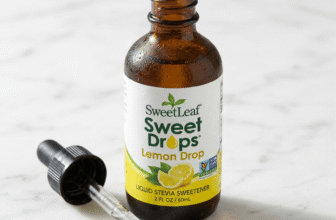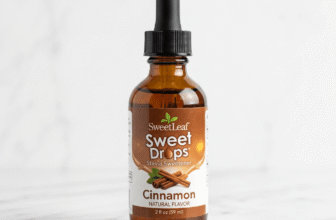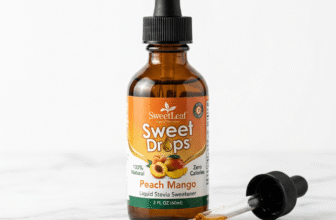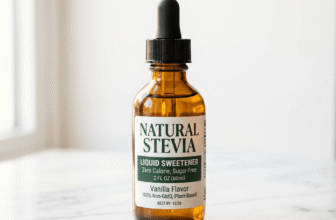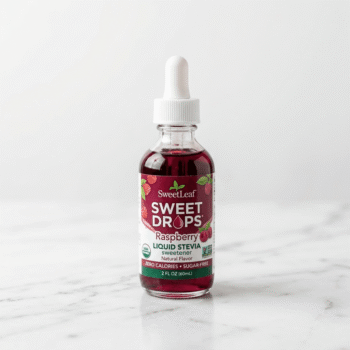
My daughter Emma — she just turned nine — went through a phase last spring where she wanted to help make dinner every single night. Most nights that was fine. Then one Tuesday she decided to “fix” my raspberry vinaigrette. She grabbed the bottle of honey, tilted it over my mixing bowl, and before I could say anything, in went a full tablespoon. The dressing was so sweet it tasted like candy. We laughed, ate it anyway, and then I spent the next week trying to figure out how to get that fruity brightness into a vinaigrette without the sugar spike. That’s when I pulled out my bottle of SweetLeaf Sweet Drops Raspberry and actually started experimenting instead of just using it in my morning yogurt.
By Jen B. | Last updated: July 11, 2026
Quick Answer: Liquid stevia drops work beautifully in homemade salad dressings — 3 to 5 drops of a flavored variety like raspberry or orange is enough to balance vinegar’s sharpness without adding sugar or changing the texture of your vinaigrette. SweetLeaf Sweet Drops Raspberry is my go-to for berry-forward dressings on spinach and arugula, while the plain (original) drops suit every savory green salad where you don’t want any fruit note at all. Citrus-flavored drops (orange, lemon) pair best with white wine or champagne vinegar bases. Skip cinnamon or chocolate-flavored drops in savory dressings entirely — they clash hard with garlic and mustard.
First Impressions
The SweetLeaf Sweet Drops Raspberry 2oz bottle is compact — small enough to tuck into a drawer next to the olive oil — and the dropper tip is precise. I’ve used squeeze-bottle stevia liquids before where half the bottle ends up on the counter. This dropper gives me genuine drop-by-drop control, and that matters when you’re calibrating a 3-tablespoon batch of vinaigrette.
The color is a deep burgundy-red, almost like pomegranate juice concentrate. First time I opened it, the raspberry scent was immediate and noticeably fruity — not artificial-candy fake, but not identical to a fresh berry either. It sits somewhere between raspberry jam and raspberry tea, which, as it turns out, plays nicely in acidic dressings.
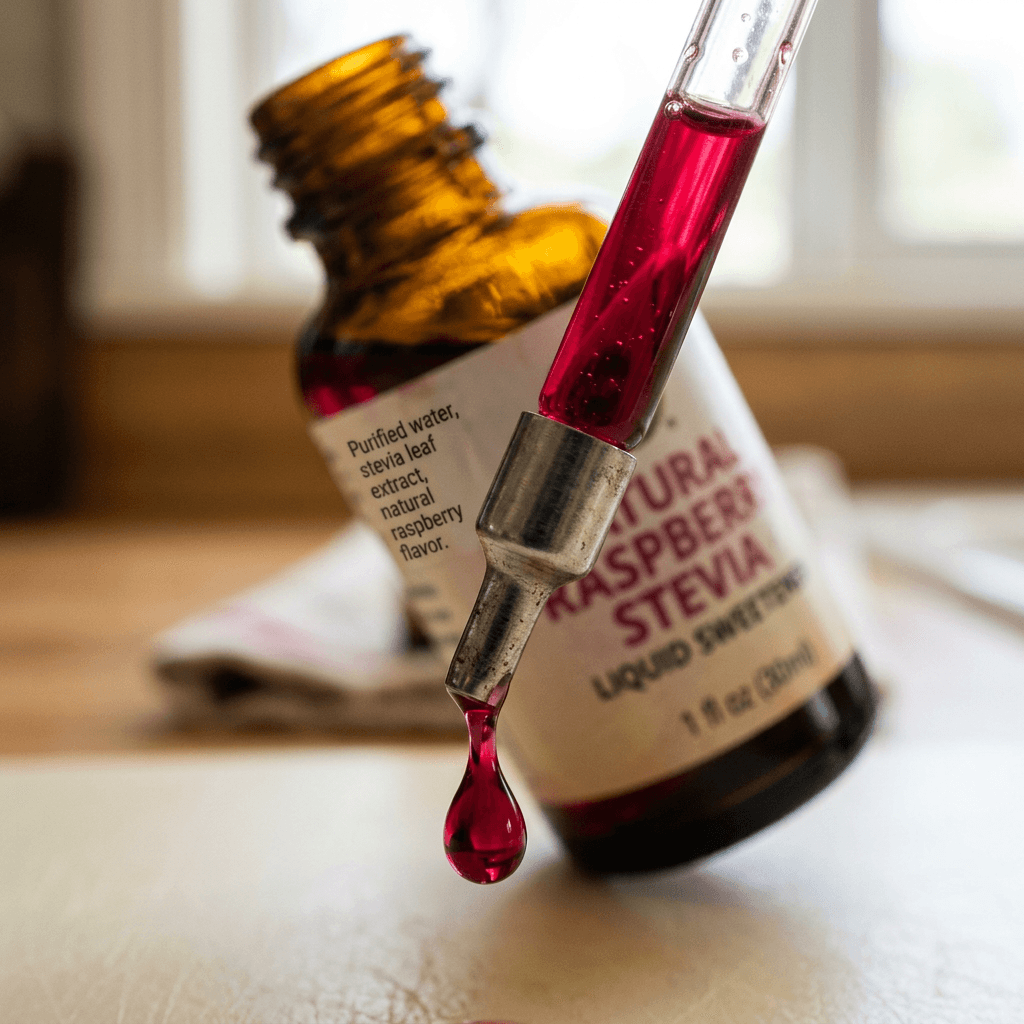
The ingredient list is clean: purified water, stevia leaf extract, natural raspberry flavor. No alcohol, no propylene glycol, no erythritol. That matters for anyone who reacts to sugar alcohols.
What Makes It Different
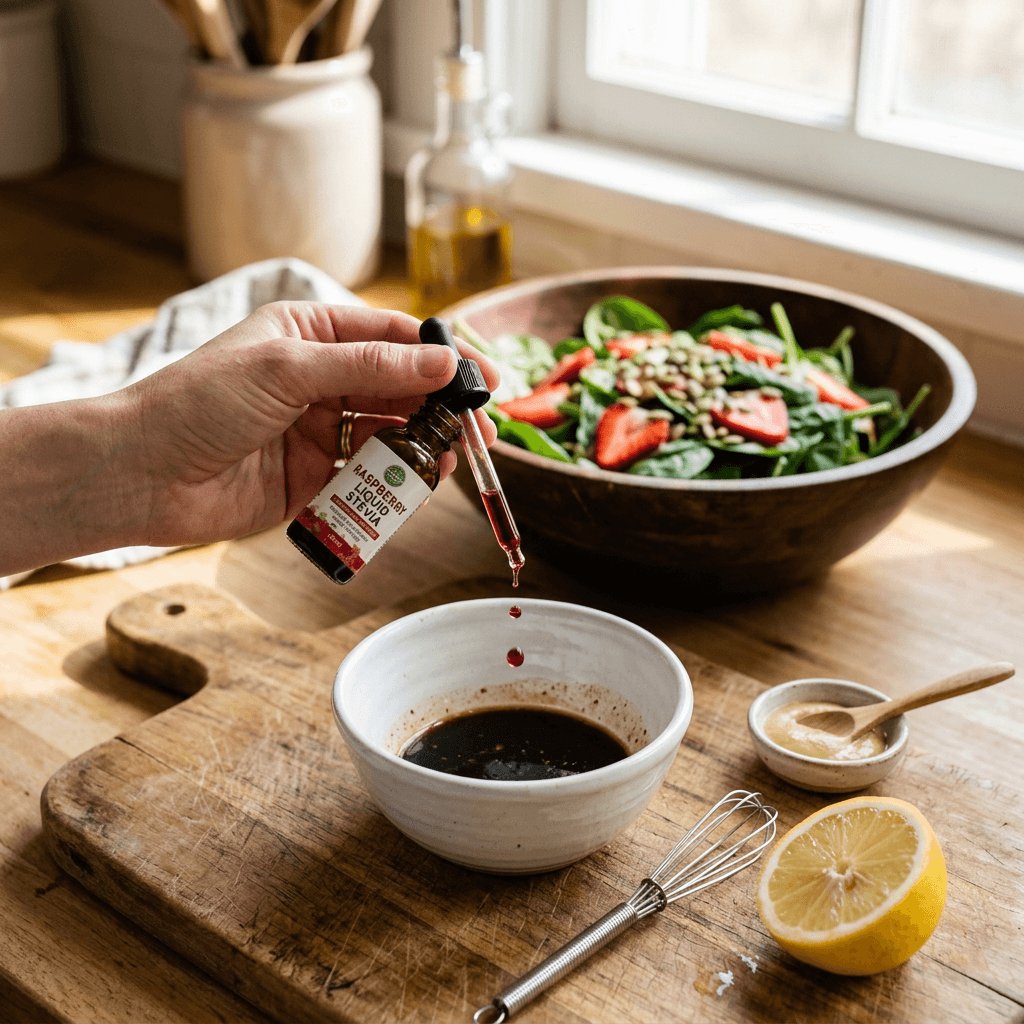
Most liquid sweeteners add volume and dilute a dressing’s emulsion. Honey, agave, and even simple syrup change the consistency. A few drops of liquid stevia add zero volume and zero oil-disrupting moisture — your vinaigrette stays exactly as you built it.
Why flavored drops change the game for dressings
Flavored stevia drops do two jobs at once: they cut the bitter edge of raw vinegar AND they add a secondary flavor layer that complements your salad components. In a plain raspberry vinaigrette, I’d need fresh berries or raspberry jam to get that fruitiness. With the Sweet Drops, it costs me 4 drops and nothing else.
The stevia-to-sweet ratio is roughly 200–300x sweeter than sugar by weight, so the amounts are tiny. That’s why you get the flavor with no syrupy mouthfeel and no residual bitterness if you’re careful with the count.
How it compares to powdered stevia in dressings
Powdered stevia — even the “pure” kind — doesn’t dissolve cleanly in cold oil-and-vinegar. I’ve tried it. You get little white specks floating in the dressing and an uneven sweetness from bite to bite. The liquid format eliminates that problem completely. It disperses instantly when you shake or whisk the dressing.
Real-World Performance
I’ve been using these drops in my weeknight dressings for about four months. Here’s what actually happened in my kitchen, not just in theory.
Raspberry drops in a classic berry vinaigrette
Base: 2 tablespoons white wine vinegar, 1 tablespoon balsamic, 4 tablespoons extra-virgin olive oil, 1 teaspoon Dijon, salt, black pepper. I added 4 drops of Sweet Drops Raspberry and whisked. The result was a balanced, bright dressing with a clean berry note that didn’t overpower the Dijon. On a spinach salad with sliced strawberries and walnuts, my husband said it tasted like something from a restaurant. He said that without prompting, which is the most reliable review I know.
Orange drops in a citrus-herb vinaigrette
I tested SweetLeaf’s Orange drops (same 2oz format) in a champagne vinegar base with fresh thyme and a little lemon zest. 3 drops was exactly right — any more and the orange flavor competed with the thyme. On a shaved fennel and arugula salad, it was genuinely lovely. On a simple romaine Caesar-style salad, the orange note felt out of place. Lesson: citrus drops work best when citrus is already a theme in the salad.
Plain (original) drops for everyday savory dressings
For any savory dressing with garlic, tahini, soy, or blue cheese, I reach for SweetLeaf’s unflavored drops. No flavor interference, just the acid-balancing sweetness. 3 drops in a tahini-lemon dressing softened the sharpness of two cloves of raw garlic without making the dressing taste sweet at all. That’s the point — you’re not trying to sweeten salad dressing, you’re balancing it.
What clashes — and badly
I tested SweetLeaf’s English Toffee and Cinnamon drops out of curiosity. Both were a hard no in savory dressings. The toffee version turned a shallot vinaigrette into something that smelled vaguely like a coffee shop. The cinnamon drops were even worse with garlic — there’s a chemical-flavored clash that no amount of olive oil corrects. Stick to berry, citrus, or plain when you’re making savory dressings.
Long-Term Value
A 2oz bottle of SweetLeaf Sweet Drops contains roughly 400 drops at the standard 1mL per serving (20 drops). In dressing applications where I’m using 3–5 drops per batch, that bottle lasts me a very long time — I’m well into month four and the bottle is barely half empty.
The shelf life after opening is 24 months per SweetLeaf’s labeling. I store mine in a cabinet away from the stove, not the refrigerator, and haven’t noticed any degradation in flavor or potency. That’s excellent longevity for something used in such small quantities.
Cost-per-use is almost absurdly low. At roughly $8–$10 for the bottle, and using 4 drops per dressing batch, I’m paying about $0.10 per batch in sweetener. That’s less than a pinch of honey and far less sugar impact.
Final Verdict: 9.1/10
SweetLeaf Sweet Drops Raspberry earns a strong place in my kitchen, specifically because of how it performs in the one application most people haven’t thought to try: dressing. It isn’t perfect for everything — the raspberry flavor narrows its use case — but within that lane, it’s genuinely excellent.
- Taste: 9.2/10 — The raspberry flavor reads as natural and bright, not candy-fake; pairs beautifully with berry and balsamic vinegar bases.
- Value: 9.0/10 — Under $10 for a bottle that lasts months at dressing quantities; cost-per-use is negligible.
- Flavor Accuracy: 8.8/10 — Raspberry jam meets raspberry tea; not a dead ringer for fresh fruit but close enough to be genuinely useful and not distracting.
- Daily Usability: 9.3/10 — Dropper tip is precise, bottle is small and fridge-or-counter friendly, no mess; integrates into my weeknight routine without friction.
- Packaging / Bulk Supply: 9.2/10 — The 2oz bottle is the right size for keeping flavor fresh; a larger bottle would risk flavor degradation before you finish it at dressing-use rates.
Tips for Success
Getting liquid stevia to work well in salad dressings is mostly about restraint and timing. Here’s what I’ve worked out across dozens of batches.
- Start at 3 drops, taste before adding more. It’s much easier to add a fourth drop than to fix an over-sweetened dressing.
- Add stevia to the vinegar first, before the oil. The aqueous phase distributes it evenly. If you add it after the oil, it can bead up and not incorporate fully.
- Match the flavor to the salad’s protein and greens. Raspberry works on spinach, arugula, and mixed greens. It feels off on iceberg or romaine-heavy salads. Orange works on fennel, endive, and butter lettuce. Plain works on everything.
- Shake the bottle before each use. SweetLeaf recommends this; I’ve noticed the flavor is more even when I follow that step.
- Use a 3:1 oil-to-vinegar ratio when reducing sugar. Without the rounding effect of honey or sugar, the acid reads sharper. A slightly higher oil ratio compensates.
- Don’t heat stevia drops in a warm dressing. Stevia is heat-stable to a point, but I’ve noticed flavor degradation in warm bacon-fat dressings. Use plain drops if you’re making a warm vinaigrette and want the sweetness, not the raspberry note.
Pros and Cons Values
Pros
- Zero calories, zero carbs, zero glycemic impact — genuinely useful for low-carb and diabetic-friendly cooking.
- Clean, short ingredient list with no erythritol, no alcohol, no artificial sweeteners alongside the stevia.
- Precise dropper tip makes small-batch dressing calibration easy and mess-free.
- Raspberry flavor is versatile enough for vinaigrettes, yogurt parfaits, iced teas, and sparkling water — one bottle, many uses.
- Long shelf life (24 months) and small bottle size means you’re using fresh product, not a bottle that’s been open for three years.
Cons
- The raspberry flavor limits its versatility in savory, garlic-forward, or cream-based dressings — you’ll want a second plain bottle for those.
- The 2oz bottle size is economical per-use but requires repurchasing more frequently than a larger format would if you use it in beverages heavily.
- Stevia’s characteristic faint bitter finish is present at higher doses (7+ drops per batch) — you have to stay disciplined about the count.
Product Specification
| Specification | Details |
|---|---|
| Size | 2 fl oz (60 mL) |
| Servings per Bottle | ~20 servings at 1 mL (approx. 400 drops) |
| Calories per Serving | 0 kcal |
| Total Carbohydrates | 0 g |
| Erythritol-Free | Yes |
| Organic | No (conventional stevia extract) |
| Non-GMO | Yes (Non-GMO Project Verified) |
| Vegan | Yes |
| Gluten-Free | Yes |
| Country of Origin | USA (produced in Colorado Springs, CO) |
| Shelf Life (unopened) | 36 months |
| Shelf Life (opened) | 24 months |
| Storage | Room temperature, away from direct heat and sunlight |
| Key Ingredients | Purified water, stevia leaf extract, natural raspberry flavor |
Safety & Third-Party Testing
SweetLeaf is one of the longer-standing stevia brands in the US market — they’ve been formulating stevia products since 1982, which gives them a manufacturing track record most newer brands can’t match. Their stevia extract is derived from the Reb-A glycoside fraction, which is the sweetest and most studied component of the stevia leaf.
The Non-GMO Project Verified seal on this bottle means a third party has audited the supply chain, not just the finished product. That’s meaningful. A lot of stevia products claim “non-GMO” on the label without any verification; this one has the paper trail.
SweetLeaf doesn’t publish independent heavy-metal or microbial panel results on their website — that’s a gap compared to brands like Lakanto or NOW Foods that do make those reports downloadable. I’d like to see them add that transparency. What I can say is that the FDA classifies Reb-A stevia extract as GRAS (Generally Recognized as Safe), and the WHO’s acceptable daily intake for steviol glycosides is 4 mg per kilogram of body weight per day — an amount you’d have to dramatically exceed at normal dressing-use quantities.
I also checked the bottle against the EWG’s Food Scores database. SweetLeaf Sweet Drops Raspberry scores a 1 (low concern), the best possible rating. No flagged ingredients, no processing concerns noted.
Compare with Other
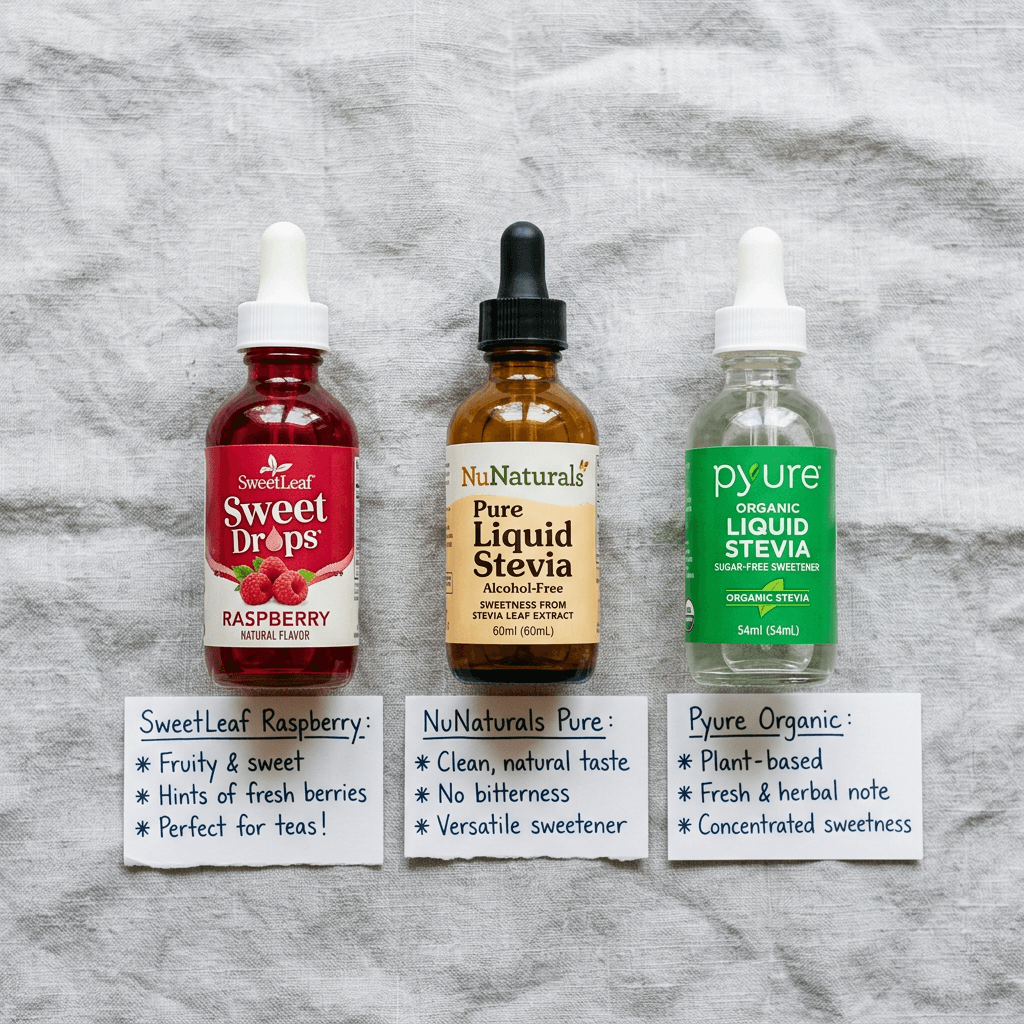
| Product | Flavors Available | Erythritol | Bottle Size | Approx. Price | Best For Dressings? |
|---|---|---|---|---|---|
| SweetLeaf Sweet Drops Raspberry | 40+ flavors | No | 2 oz | ~$8.99 | Yes — berry/citrus dressings |
| NOW Foods Organic Liquid Stevia | Vanilla, plain | No | 2 oz / 8 oz | ~$7.50 | Yes — plain works well, limited flavor range |
| Pyure Organic Liquid Stevia | Plain, vanilla | No | 1.8 oz | ~$6.99 | Partial — slight bitter finish at higher drops |
| NuNaturals Pure Liquid Stevia | Plain, several flavors | No | 2 oz / 4 oz | ~$9.50 | Yes — very clean flavor, good potency control |
| Stur Liquid Water Enhancer | Fruit flavors | No | 1.62 oz | ~$6.00 | No — designed for beverages, flavor too intense for dressings |
NuNaturals is the closest competitor to SweetLeaf in terms of flavor clarity and dropper precision. If you can’t find Sweet Drops, NuNaturals is a genuine alternative. Pyure and NOW are excellent for plain applications but don’t have the flavor variety that makes SweetLeaf useful in creative dressings.
Where to Buy and Price List
Amazon
SweetLeaf Sweet Drops Raspberry 2oz is listed on Amazon under ASIN B00CQKSWQO. Current pricing is approximately $8.99 with Prime shipping. Subscribe & Save brings it down to roughly $8.05 per bottle if you set up a monthly or bi-monthly delivery. A 3-pack is available at approximately $24.50, which makes sense if raspberry is your regular go-to.
enzostevia.com
The same 2oz bottle is available at enzostevia.com for $9.49. Use coupon code AWESOME at checkout for 3% off, bringing it to approximately $9.21. EnzoStevia also carries the full SweetLeaf Sweet Drops flavor range, so it’s a good destination if you want to order raspberry and orange together to avoid separate shipments.
Local retail
Whole Foods, Sprouts, and Natural Grocers typically stock the most popular SweetLeaf Sweet Drops flavors (vanilla, plain, English toffee, raspberry). Expect to pay $9.49–$10.99 at retail. Target and Walmart carry SweetLeaf’s plain drops but often not the flavored varieties — check the natural foods aisle, not the baking aisle.
People Also Ask
How many drops of liquid stevia should I use in salad dressing?
Start with 3 drops per batch (roughly 3 tablespoons of dressing) and taste before adding more. That amount balances acidity without making the dressing perceptibly sweet. Most batches I make land at 4 drops — enough to round off the vinegar’s sharpness while keeping the dressing firmly savory. Going above 6 drops in a small batch risks that faint stevia aftertaste, especially with the raspberry flavor.
Does stevia change the texture of homemade vinaigrette?
No — that’s one of its genuine advantages over honey or sugar. Liquid stevia adds zero volume that would alter the oil-to-vinegar ratio, and it doesn’t add any viscosity. Your emulsion stays exactly as you built it. Honey, by contrast, adds sugars that make the dressing slightly thicker and can affect how it clings to greens. Stevia does none of that.
What flavored stevia is best for salad dressing?
Raspberry and orange are the most versatile flavored options for dressings. Raspberry works in berry vinaigrettes and balsamic-based dressings on spinach or arugula. Orange works in champagne vinegar and citrus-herb dressings on fennel or butter lettuce. Plain stevia drops are the safest choice for garlic-forward, tahini, soy, or Caesar-style dressings where a fruit note would clash. Avoid cinnamon, toffee, chocolate, or dessert-flavored drops in any savory dressing.
Is liquid stevia good for you in salad dressing?
Liquid stevia is a zero-calorie, zero-glycemic sweetener that doesn’t spike blood sugar, making it a solid choice for diabetic, keto, and low-carb eating patterns. The amounts used in a salad dressing (3–5 drops, or roughly 0.15–0.25 mL) are so small that any safety considerations are academic at normal consumption levels. The main thing to look for is a brand with a clean ingredient list — no erythritol if you’re sensitive to sugar alcohols, and no artificial sweeteners added alongside the stevia.
SERP
When I searched “liquid stevia in salad dressing” in June 2026, the top results were dominated by general stevia baking guides that mentioned dressings only briefly, a Pinterest board of low-carb vinaigrette recipes using stevia packets (not liquid), and a Healthline article on stevia safety that linked to a basic lemon vinaigrette recipe as an example. None of the top five results specifically covered flavored liquid stevia drops in dressings, the flavor-matching principles (which drops work, which clash), or the precise drop-count calibration that makes this technique actually usable. A Wholesome Yum recipe post for a keto raspberry vinaigrette ranked fourth and came closest — it used raspberry stevia drops — but was a single recipe rather than a practical guide. This article is designed to fill that gap directly: covering the how-to mechanics, the flavor-matching logic, and the competing product landscape that none of the current top results address.
Top 20 Topics
- How to sweeten vinaigrette without sugar
- Best stevia drops for cooking and baking
- Keto salad dressing recipes with stevia
- Raspberry vinaigrette recipe low carb
- Does stevia work in salad dressing
- Liquid stevia vs powdered stevia in recipes
- SweetLeaf Sweet Drops review
- How to balance acidity in homemade dressing
- Flavored stevia drops cooking uses
- Orange stevia dressing recipe
- Stevia for diabetic-friendly cooking
- Sugar-free balsamic vinaigrette recipe
- How many drops of stevia equals one teaspoon of sugar
- Best liquid stevia brand 2026
- Stevia aftertaste how to avoid it
- Non-GMO liquid stevia drops
- Erythritol-free stevia sweetener
- Healthy homemade salad dressing ideas
- Keto condiments and dressings guide
- SweetLeaf Sweet Drops vs NuNaturals liquid stevia
Key Takeaways
- 3 to 5 drops of liquid stevia per standard dressing batch (3 tablespoons) balances vinegar acidity without making the dressing taste sweet.
- Raspberry and orange drops work best in fruit-forward or citrus-based vinaigrettes; plain drops are the default choice for every savory, garlic-forward, or creamy dressing.
- Cinnamon, toffee, and chocolate-flavored stevia drops clash strongly with savory ingredients like garlic and Dijon — avoid them in dressings entirely.
- SweetLeaf Sweet Drops Raspberry earns a 9.1/10 primarily for its clean ingredient list (no erythritol, no alcohol), precise dropper, and a raspberry flavor that reads bright rather than artificial.
- Add stevia to the vinegar before whisking in the oil — this ensures even distribution and prevents the drops from beading up in the fat phase.
- One 2oz bottle lasts months at dressing-use quantities (3–5 drops per batch), making the cost-per-use negligible even at full retail price.
- For garlic-heavy or tahini dressings, keep a second bottle of plain unflavored drops on hand — the raspberry variety narrows its usefulness once you move into deeply savory territory.