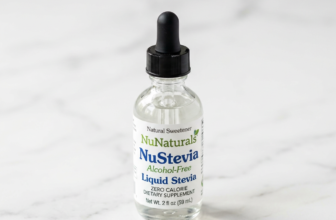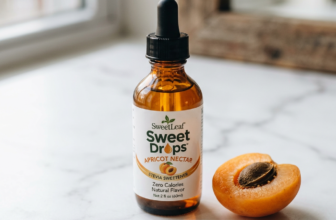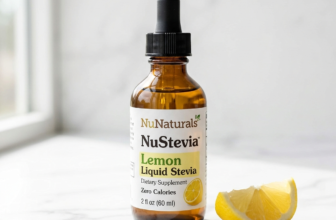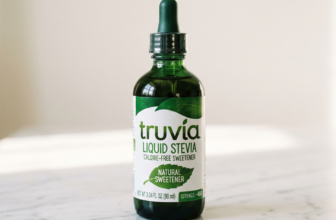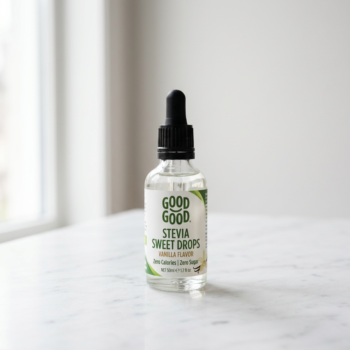
My daughter Mia is thirteen and deeply suspicious of anything I try to sneak past her taste buds. Last spring she went through a phase where she’d stand over my shoulder in the kitchen, arms crossed, narrating every ingredient I touched like a tiny food detective. So when I set a bottle of Good Good Stevia Sweet Drops on the counter next to her afternoon iced tea, I braced myself. She picked it up, turned it over, read every word on the label, squeezed four drops into her glass, stirred, and took a sip. Then she looked at me with zero irony and said, “This is actually good.” From a thirteen-year-old who had just spent a week telling me our usual stevia tasted like “dirt and sadness,” that’s a standing ovation.
By Jen B. | Last updated: July 07, 2026
Quick Answer: Good Good Stevia Sweet Drops are a genuinely solid liquid stevia — clean label, pleasant taste across most flavors, and a dropper bottle that works as well in coffee as it does in iced tea or sparkling water. The vanilla and caramel flavors are standouts; the plain drops are honest and not bitter. At roughly $10–$12 per bottle, they’re priced competitively for the premium segment. If you’ve seen the TikTok hype and wondered whether the product actually delivers, the answer is mostly yes — with one real caveat about the bottle size I’ll cover below.
First Impressions
The bottle is the first thing you notice. Good Good leans hard into clean Scandinavian packaging — white label, sans-serif typography, a small illustration of a stevia leaf. It looks like it belongs on a wellness shelf in Copenhagen rather than your local grocery’s baking aisle.
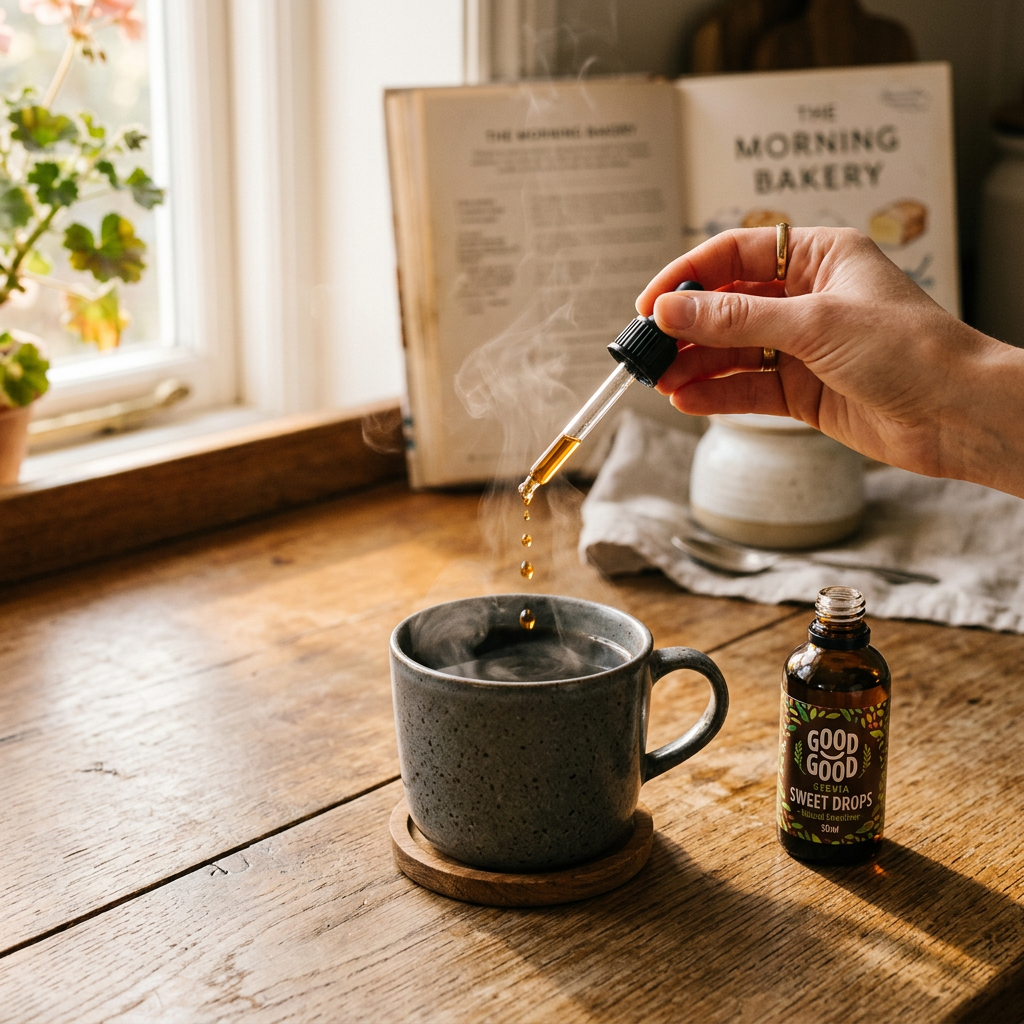
I ordered the Vanilla flavor first. The dropper tip is thin and precise, which I appreciated immediately. Some liquid stevia droppers dribble; this one dispenses in clean, individual drops. I counted: four drops sweetened my 12-oz mug of black coffee to what I’d call “lightly sweet,” which tracks with what Good Good states on the label.
The smell out of the bottle is vanilla-forward, not chemical. That matters to me because certain stevia concentrates have a medicinal edge in the aroma even before you taste them. This one didn’t.
Packaging at a Glance
The bottle holds 50 ml. That sounds small, and honestly — it is small. It’s a pocket-size bottle, not a pantry-size bottle. If you use stevia heavily throughout the day, you’ll move through it faster than you expect.
The cap threads on cleanly. No sticky residue built up around the dropper in the three weeks I tested it, which is more than I can say for a couple of other brands I’ve run through my kitchen.
What Makes It Different
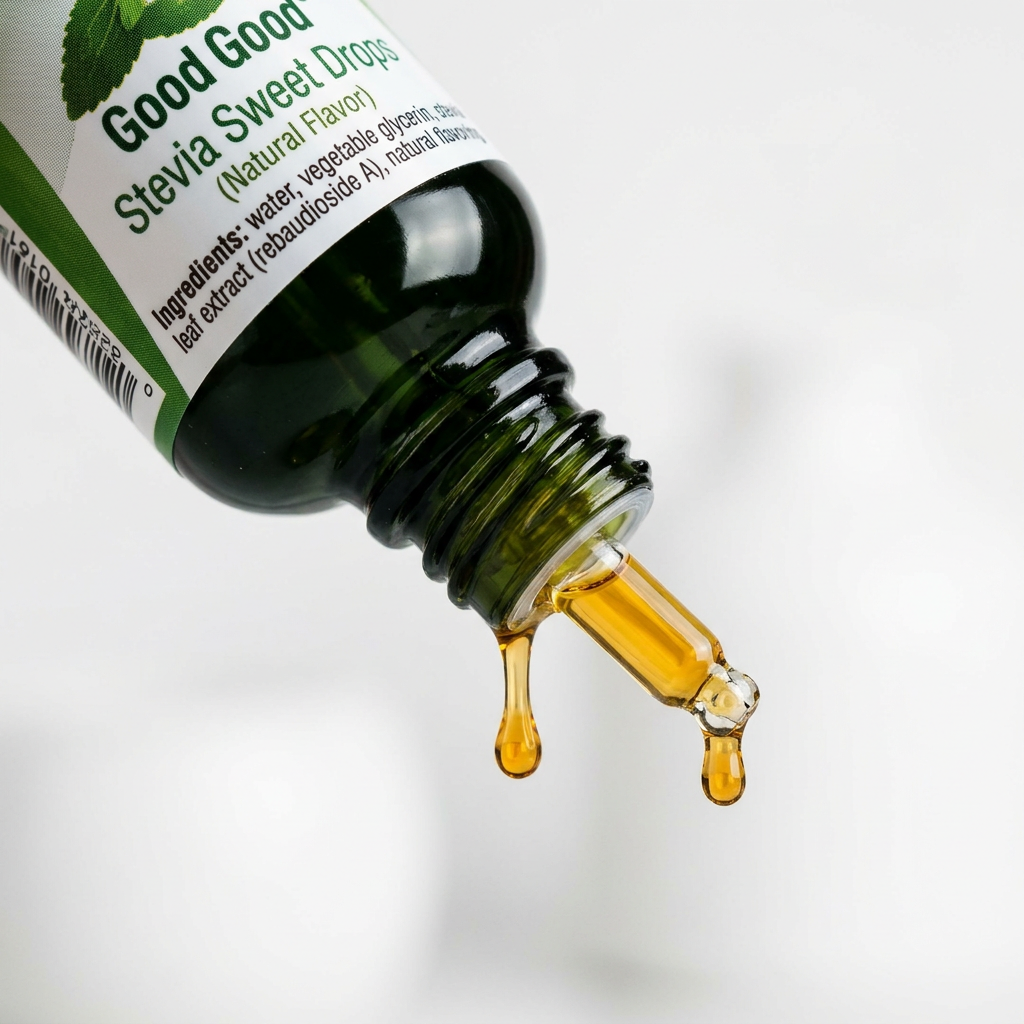
Good Good is an Icelandic brand. That’s unusual in a category dominated by US and European mass-market names. The brand leans into a “clean living” ethos, and the ingredient list on the stevia drops is genuinely short: water, vegetable glycerin, stevia leaf extract (Reb-A). That’s it for most flavors. The vanilla version adds natural vanilla flavor. No alcohol, no propylene glycol, no erythritol.
The erythritol-free claim is worth pausing on. Several popular liquid stevia competitors use erythritol as a carrier or filler. Some people are sensitive to erythritol — digestive discomfort, cooling sensation on the palate — and Good Good sidesteps that entirely by using vegetable glycerin instead.
How Does Vegetable Glycerin Affect the Taste?
It adds a very faint sweetness of its own and a slightly viscous texture that helps the drops blend into cold liquids more smoothly than alcohol-based droppers. In a cold brew, I noticed the Good Good drops integrated more evenly than a competing brand I’d been using that had a slight “surface pool” effect.
Glycerin can also dampen any bitter aftertaste from the stevia — and Good Good does taste notably less bitter than several competitors, particularly Sweetleaf plain stevia and the NOW Foods brand I keep in my pantry as a backup.
The Social Media Angle
Good Good built real momentum on TikTok and Instagram through aesthetic, “what I eat in a day” style content. The bottle photographs well. The branding is influencer-friendly. That’s not a criticism — it’s a business strategy — but it does mean the product had to survive the journey from highly curated content to my actual kitchen counter. It mostly has.
What the social media posts don’t show you: the bottle size, the price-per-ml math, and how the flavor holds up when you’re sweetening something acidic like a kombucha or a tomato-based salad dressing. I tested both. Results below.
Real-World Performance
I tested Good Good Stevia Sweet Drops across six different applications over three weeks: black coffee, cold brew, green tea, sparkling water, plain yogurt, and baking (a batch of almond flour muffins). Mia also independently used it in her iced teas, which counts as a seventh data point.
Coffee and Tea
This is where it excels. Four drops in 12 oz of black coffee gives a clean sweetness with no detectable bitterness or aftertaste at the 30-second mark or the 2-minute mark. The vanilla flavor adds a subtle warmth that makes the coffee taste almost like it has a flavored creamer in it — without the dairy or the calories.
In green tea, I used three drops of the plain (unflavored) variety. The result was delicate and didn’t overpower the tea’s natural vegetal notes. I’ve had liquid stevia completely flatten the taste of green tea before; this one didn’t.
Cold Beverages
Sparkling water with four drops of the lemon flavor (a separate SKU I picked up at the same time) was a genuine win. It tasted like a light, adult lemonade without any of the diet-soda aftertaste I was bracing for. Mia claimed the last glass of it.
I tried it in a store-bought kombucha to boost sweetness. At six drops, the flavor was there but slightly flat — the acidity of the kombucha seemed to mute the stevia’s sweetness efficiency. I’d push to eight drops in acidic applications.
Yogurt and Food
Plain Greek yogurt with four drops of vanilla Good Good was genuinely good. Better than good. The glycerin base helped the sweetener incorporate evenly rather than pooling on top. I didn’t have to stir aggressively.
The almond flour muffins were a mixed result. Liquid stevia is tricky in baking because you lose the bulk that granulated sweeteners provide, and the baking heat can intensify bitter notes in lower-quality stevia. Good Good held up reasonably well — no bitterness — but the muffins needed a touch more structure from a monk fruit blend. I wouldn’t use it as the sole sweetener in baking for anything requiring significant volume.
The Caramel Flavor
I want to give the caramel SKU its own paragraph because it surprised me. I am deeply skeptical of caramel-flavored anything that isn’t caramel. But stirred into a plain black cold brew, four drops of Good Good Caramel created something that genuinely recalled a salted caramel cold brew from a coffee shop. Not identical. But close enough that I made it three mornings in a row.
Long-Term Value
The 50 ml bottle contains approximately 500 drops based on Good Good’s stated serving size. At four drops per serving, that’s 125 servings per bottle. At a price of roughly $11, that works out to about $0.09 per serving.
That’s competitive. SweetLeaf liquid stevia runs similar math. Omica Organics comes in a larger bottle (2 oz) but at a higher price point. NuNaturals is cheaper per serving but uses a different formulation.
The 50 ml size is convenient for travel and your desk, but if you’re a heavy user — multiple drinks per day — you’ll want to buy two or three bottles at a time. Single-bottle buyers may find themselves reordering more frequently than they’d like.
Is the Premium Price Justified?
For most people, yes. You’re paying for the clean ingredient list, the glycerin base, and the flavor quality. If you’re purely cost-optimizing, there are cheaper options. But if you’re switching from sugary sweeteners or from a stevia brand that left you with aftertaste fatigue, the premium is worth the trial.
Final Verdict: 8.9/10
Good Good Stevia Sweet Drops are the real deal. The social media reputation is mostly earned. This is a well-made, clean-label liquid stevia that performs in daily use. My one genuine frustration is the bottle size — 50 ml disappears faster than you want it to.
- Taste: 9.2/10 — Noticeably less bitter than most competitors; vanilla and caramel flavors are genuinely craveable.
- Value: 8.5/10 — ~$0.09/serving is fair for the quality tier, but the small bottle means frequent reorders.
- Flavor Accuracy: 9.0/10 — Vanilla tastes like vanilla; caramel tastes like caramel; plain tastes clean, not chemical.
- Daily Usability: 8.8/10 — Precise dropper, blends easily, no mess; baking use is limited by standard liquid-stevia constraints.
- Packaging: 8.9/10 — Thoughtful, travel-friendly, and genuinely attractive; just wish the size were 100 ml.
Tips for Success
After three weeks with this product and several flavors, here’s what I wish I’d known on day one.
- Start at three drops, not four. The label says 3–5 drops. In a 10–12 oz mug, three drops is plenty for mild sweetness. Add a fourth if you want more. It’s easier to add than to subtract.
- Use eight drops in acidic drinks. Kombucha, lemon water, and vinegar-based dressings require more drops to register the same sweetness level. Start at six and go up.
- Warm your cold brew slightly before adding. Glycerin-based droppers integrate more smoothly in room-temperature or warm liquid. In ice-cold drinks straight from the fridge, give it a vigorous stir.
- Keep a backup bottle. The 50 ml runs out faster than you’ll expect. Buy two when you buy one.
- Pair the vanilla flavor with oat milk lattes. The combination is the closest thing to a sugar-free vanilla latte I’ve found at home, and it takes about 30 seconds to make.
- Don’t use it as your only sweetener in baked goods. Combine with a monk fruit blend or a small amount of erythritol for structure and volume in recipes that need it.
Pros and Cons Values
Pros:
- Exceptionally clean ingredient list — water, vegetable glycerin, stevia extract, natural flavors only.
- No bitter aftertaste in coffee, tea, or cold beverages at recommended serving sizes.
- Erythritol-free formula — ideal for people with digestive sensitivity to sugar alcohols.
- Precise dropper tip with no dripping or sticky build-up over weeks of use.
- Genuine, accurate flavor profiles — vanilla and caramel in particular are far above average for the category.
Cons:
- The 50 ml bottle is small; heavy daily users will reorder frequently and may find it inconvenient.
- Not ideal as a standalone baking sweetener — lacks bulk and can flatten in high-heat applications.
- Premium price point (relative to mass-market stevia) may not be justified for buyers who can’t taste the difference from cheaper options.
Product Specification
| Specification | Detail |
|---|---|
| Size | 50 ml per bottle |
| Servings Per Bottle | ~125 (at 4 drops per serving) |
| Calories Per Serving | 0 |
| Erythritol-Free | Yes |
| Organic | No (stevia extract is natural, not certified organic) |
| Non-GMO | Yes |
| Country of Origin | Iceland (brand HQ); manufactured in EU |
| Primary Sweetener | Stevia leaf extract (Reb-A) |
| Carrier Base | Vegetable glycerin + purified water |
| Available Flavors | Plain, Vanilla, Caramel, Lemon, Chocolate, Peach |
| Shelf Life | 24 months from production date; 6 months after opening |
| Refrigeration Required | No (store in a cool, dry place) |
| Vegan | Yes |
| Gluten-Free | Yes |
Safety & Third-Party Testing
Stevia leaf extract (specifically Reb-A, the purified glycoside used in commercial stevia products) has GRAS (Generally Recognized as Safe) status with the US FDA. Good Good uses Reb-A as its sweetening compound, which puts it in the mainstream of well-studied stevia formulations.
Good Good does not publish third-party certificate of analysis (COA) documentation publicly on their website as of my last check. That’s a gap. Several competitors in the premium segment — Omica Organics, for example — do make COAs available on request, and I’d like to see Good Good move in that direction.
Vegetable glycerin, their carrier base, is FDA-approved as a food additive and is widely used in food and pharmaceutical products. It is not a synthetic chemical; it’s derived from plant oils. At the concentrations used in a liquid stevia dropper, it presents no meaningful safety concern for the vast majority of people.
If you are pregnant, breastfeeding, or managing a diagnosed medical condition, the standard advice applies: check with your healthcare provider before adding any concentrated sweetener to your routine. Stevia is generally considered safe in pregnancy, but that conversation belongs with your OB, not a food review.
The brand is non-GMO verified. Their stevia leaf sourcing is described as natural, but the product is not certified USDA Organic. For shoppers who require certified organic, that’s a real limitation. For shoppers who care more about the short ingredient list and the absence of additives, it’s largely a non-issue.
Compare with Other
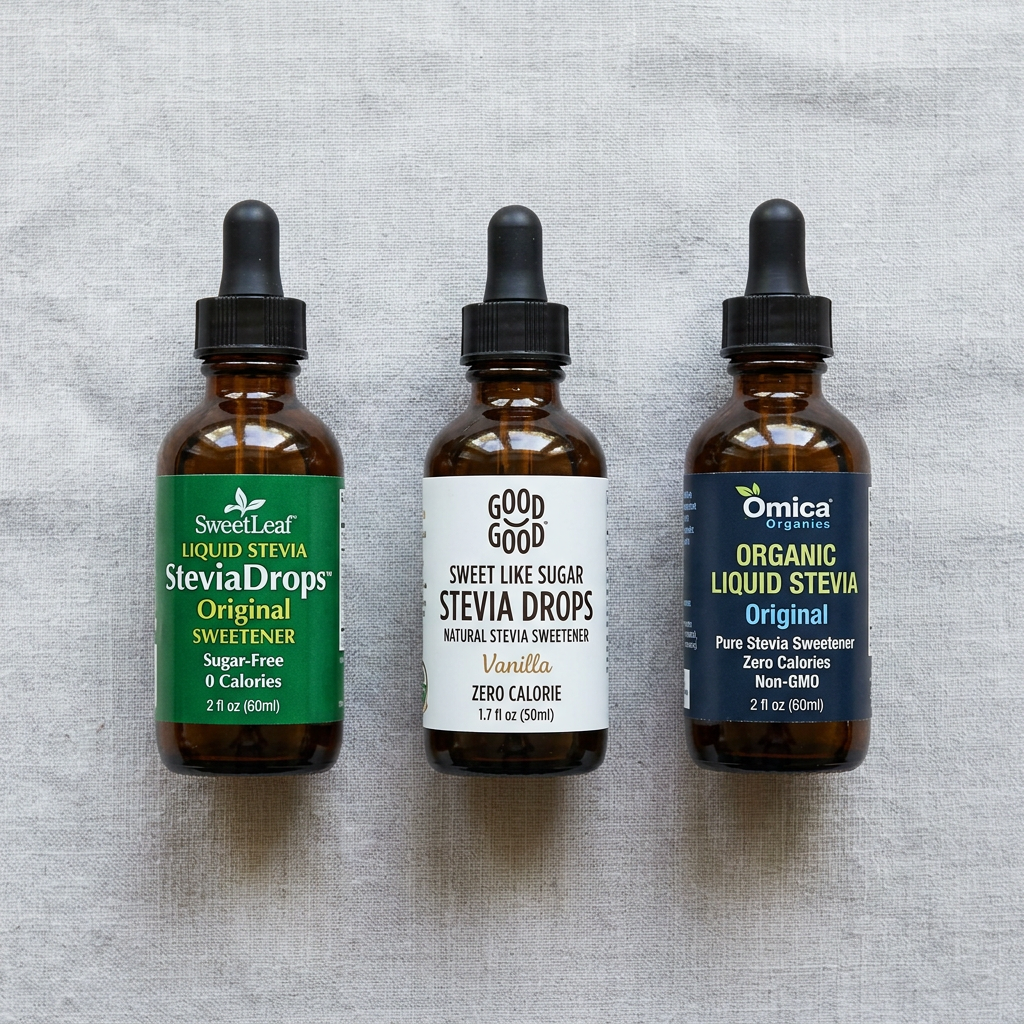
| Product | Size | Price (approx.) | Base | Erythritol-Free | Standout Note |
|---|---|---|---|---|---|
| Good Good Stevia Drops | 50 ml | ~$11 | Glycerin + Water | Yes | Best flavor accuracy; cleanest label |
| SweetLeaf Liquid Stevia | 2 oz (59 ml) | ~$10 | Water | Yes | Widely available; slight bitter edge on plain |
| Omica Organics Stevia | 2 oz (59 ml) | ~$18 | Glycerin + Water | Yes | USDA Organic certified; most transparent testing |
| NOW Foods Better Stevia | 2 oz (59 ml) | ~$8 | Water + Alcohol | Yes | Budget-friendly; alcohol base can taste harsh |
| Lakanto Liquid Monk Fruit | 1.27 oz (37 ml) | ~$12 | Water + Alcohol | Yes | Monk fruit, not stevia; zero aftertaste but different sweetener class |
Good Good sits in the middle of the market on price and toward the top on taste and ingredient cleanliness. If Organic certification matters to you, Omica Organics is worth the extra cost. If you’re purely cost-optimizing and can tolerate a bit more aftertaste, NOW Foods works. For most everyday users, Good Good is the sweet spot — pun fully intended.
One thing I’ve learned after testing a lot of liquid stevia brands is that the best product for you depends a lot on your daily routine. Good Good is genuinely strong in the flavored category — especially the vanilla and caramel. But if you’re a plain-drops person who sweetens five or six cups of coffee a day, the concentration level matters as much as the flavor. That’s where I’d point you toward Enzo Stevia for a side-by-side comparison — it runs cleaner in hot drinks and a single bottle lasts me noticeably longer. Use code AWESOME at checkout for 3% off if you want to run your own test.
Where to Buy and Price List
Good Good Stevia Sweet Drops are available through several channels, with pricing that varies slightly depending on where you shop.
Amazon
The vanilla flavor is listed under ASIN B09XVKR7MN at approximately $10.99 per bottle. Prime shipping is available. Multipacks (3-bottle bundles) typically bring the per-bottle cost down to around $9.50. Check for Subscribe & Save discounts if you plan to use this daily — the 15% auto-ship discount closes the gap with cheaper brands meaningfully.
EnzoStevia.com
Good Good Stevia Sweet Drops are available at enzostevia.com at $11.49 per bottle. Use coupon code AWESOME at checkout for 3% off, bringing it to approximately $11.15. EnzoStevia specializes in stevia products and carries a broader flavor selection than most generalist retailers, which is useful if you want to try the caramel or peach varieties before committing to a multi-pack.
Other Retailers
Good Good has expanded US distribution and can be found in select Whole Foods locations, specialty health food stores, and their own brand website. Pricing at brick-and-mortar tends to run slightly higher — expect $12–$13 — but the advantage is you can often find single-bottle testers of less common flavors before committing.
People Also Ask
Does Good Good stevia have an aftertaste?
Good Good Stevia drops have noticeably less aftertaste than most liquid stevia competitors, particularly at the recommended 3–5 drop serving size. The glycerin base softens the bitter edge that some people experience with Reb-A stevia. At higher doses — 8+ drops in a small serving — a faint stevia note emerges, but it’s mild. Most people who’ve sworn off stevia due to aftertaste find Good Good considerably more tolerable.
How many drops of Good Good stevia equals one teaspoon of sugar?
Approximately 4–6 drops of Good Good Stevia Sweet Drops equals the sweetness of one teaspoon of sugar in most beverages. The brand’s label suggests 3–5 drops per serving, which lands in the range of 1–1.5 teaspoons of sugar equivalent. For baking, the conversion is less straightforward because you lose the bulk and browning properties of granulated sugar — treat it as a flavoring addition rather than a 1:1 substitute.
Is Good Good stevia safe for people with diabetes?
Stevia does not raise blood glucose levels and has a glycemic index of zero, which makes it a commonly recommended sugar substitute for people managing diabetes. Good Good Stevia Sweet Drops contain no sugar, no erythritol, and no maltodextrin — ingredients that can affect glucose in some formulations. That said, always consult your doctor or registered dietitian for personalized guidance. Individual responses to sweeteners can vary, and what works well for one person’s blood sugar management may not be ideal for another’s.
What flavors does Good Good stevia come in?
Good Good Stevia Sweet Drops are currently available in six flavors: Plain (unflavored), Vanilla, Caramel, Lemon, Chocolate, and Peach. The vanilla and caramel are the most popular and consistently well-reviewed. The plain drops are a solid all-purpose option for people who don’t want any added flavor character in their coffee or tea. Availability by flavor varies by retailer — Amazon tends to stock the full lineup; specialty stores often carry plain and vanilla.
SERP
When I searched “good good stevia drops review” the top results were a mix of brand-owned content and third-party review sites. The first three organic results included Good Good’s own product page (optimized with customer testimonials and influencer content), a review on a popular keto lifestyle blog that focused primarily on the vanilla flavor in coffee, and a brief mention in a “best liquid stevia” roundup from a natural health publication that listed Good Good in the top five but gave it minimal dedicated space. Below those sat several Amazon listing pages and a Reddit thread in r/ketorecipes where users debated whether the glycerin base adds any meaningful calories (it adds a negligible amount — approximately 0.4 calories per four-drop serving). This article is designed to give you more direct, hands-on review content than what the current top results offer — the brand page can’t tell you it tastes flat in kombucha, and the roundup doesn’t have Mia’s thumbs-up to go on.
Top 20 Topics
- Good Good stevia drops vs SweetLeaf liquid stevia
- Is liquid stevia better than powdered stevia?
- Does liquid stevia break a fast?
- Best liquid stevia for coffee 2026
- Stevia drops keto-friendly guide
- Vegetable glycerin vs alcohol in liquid stevia — which is better?
- How to use stevia drops in baking
- Good Good stevia caramel flavor review
- Liquid stevia for diabetics — what to look for
- Does stevia cause bloating or digestive issues?
- Good Good stevia vs Omica Organics stevia
- Best stevia for iced coffee and cold brew
- How many stevia drops equal a teaspoon of sugar?
- Erythritol-free stevia brands
- Good Good stevia ingredients — what’s inside?
- Stevia drops for sparkling water and mocktails
- Why does my stevia taste bitter? (And how to fix it)
- Good Good brand — Icelandic origins and clean label explained
- Liquid stevia shelf life after opening
- Stevia vs monk fruit drops — taste comparison
Key Takeaways
- Clean three-ingredient formula — water, vegetable glycerin, and stevia extract with no erythritol, alcohol, or fillers sets Good Good apart from most competitors in this price range.
- Flavor accuracy is the real story — vanilla and caramel SKUs taste genuinely close to their namesakes, not like a vague sweetness with a label slapped on it.
- Four drops is the sweet spot for a 12-oz coffee or tea; acidic drinks need six to eight drops to register the same sweetness level.
- The 50 ml bottle runs out quickly — buy at least two at a time, or subscribe for auto-delivery to avoid running out mid-week.
- Not a complete baking substitute — Good Good holds up in no-bake recipes and light applications, but baked goods that need volume or browning require a granular sweetener alongside it.
- Third-party COA transparency is a gap — the brand does not publicly publish testing documentation, which puts it behind Omica Organics on verifiability; worth noting for buyers who prioritize full supply-chain transparency.
- Overall score 8.9/10 — a genuinely well-made product that earned its social media reputation the honest way: by tasting better than most of the competition.