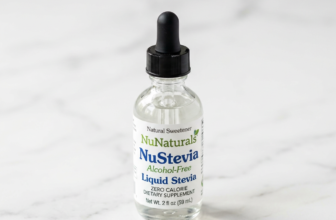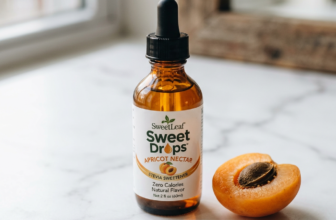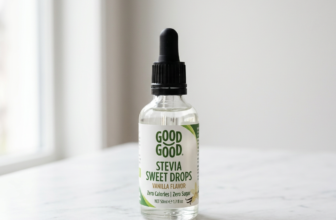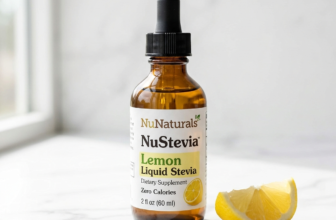
My daughter Mia has a sweet tooth I’m convinced she inherited from my mother, not me. Last spring she was diagnosed with reactive hypoglycemia — nothing dramatic, but her doctor sat us both down and said, pretty plainly: refined sugar needs to go. Mia’s thirteen. Thirteen-year-olds do not want to hear that their birthday cake, their afternoon lemonade, their Friday-night pancakes are now a problem. I understood the assignment: find something sweet enough that she wouldn’t notice, clean enough that her doctor wouldn’t frown, and simple enough that I’d actually keep using it past week two.
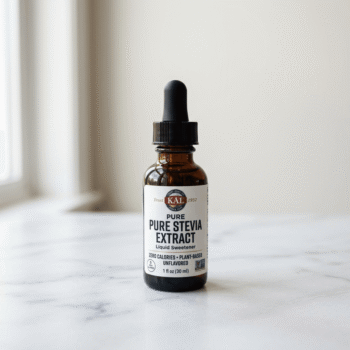
That search landed me on KAL Pure Stevia Extract Liquid. I’d seen it floating around the natural foods section of my co-op for a couple of years and kept passing it by because I already had a bag of powdered stevia in the cabinet. But Mia hated the powdered stuff — said it tasted like “the back of a vitamin,” and honestly? She wasn’t wrong. So one Tuesday I grabbed the little 1.8-ounce dropper bottle, brought it home, and started testing.
Several weeks, a lot of coffee, three batches of strawberry lemonade, and one surprisingly successful mug cake later, here’s everything I found out.
1. First Impressions
The bottle is small — genuinely small. I knew the dimensions from the listing, but holding the 1.8 oz (53 mL) glass bottle in my hand for the first time, I had a brief panic that I’d just paid for about four days of sweetener. That panic faded fast once I read the label: a single serving is five drops. Five. This is a concentrated extract, not a flavored syrup, and the density of sweetness packed into it is the whole point.
The packaging is reassuringly bare. Dark amber glass, a clean white label, a tight dropper cap with a thin glass pipette inside. No fancy branding, no loud color blocking. It looked like something from a compounding pharmacy, which, for a product whose appeal is purity, felt exactly right. KAL lists only two ingredients on the front of the label — and we’ll get into that in the next section — but even at first glance there’s no paragraph of fine print, no twenty-syllable additives you’d need a biochemistry degree to decode.
I gave it one small drop on my fingertip before I committed it to coffee. It’s intensely sweet, faintly herbal, with none of the sharp chemical edge I’ve gotten from bargain-brand liquid stevias. A faint green-leaf note floated up, not unpleasant — more like a distant cousin of fresh mint than anything medicinal. First impression: this one was going to be different.
2. What Makes It Different
The ingredient list for KAL Pure Stevia Extract Liquid is exactly two items long: vegetable glycerin and stevia extract. That’s it. No alcohol. No natural flavors. No erythritol. No maltodextrin hiding sweetness-diluting bulk. If you’ve spent any time reading stevia labels you know how rare that actually is — a lot of liquid stevias use alcohol as the carrier base, which gives them a faint vodka-like sharpness, especially in hot drinks. KAL uses vegetable glycerin instead, which has its own mild sweetness and a smooth, slightly viscous mouthfeel that integrates into beverages without any harsh finish.
The stevia extract itself is the Reb-A (rebaudioside-A) fraction, which is the glycoside responsible for most of stevia’s sweetness and, critically, the least bitter-forward of the major steviol glycosides. A lot of the “stevia aftertaste” complaints you read online are really complaints about poorly refined extracts with high concentrations of stevioside — a different glycoside that carries more of that medicinal bitterness. KAL focuses on Reb-A, which is why the aftertaste profile here is so much more cooperative.
Compared to NOW Foods Better Stevia Liquid (their classic clear-bottle version), which uses alcohol as its base and comes in at roughly the same price range, KAL runs noticeably smoother in hot tea and coffee. NOW is fine — it’s a solid product — but the glycerin base in KAL makes a genuine difference if you’re sensitive to that slight alcoholic bite, and Mia, with her more critical teenage palate, picked up on it immediately in a blind taste-in-coffee test I ran on a Saturday morning when she was in a cooperative mood.
The concentration is roughly 20–30 drops per packet equivalent in terms of sweetness, which means this bottle contains well over 200 servings at 5 drops each. For a 1.8-ounce bottle, that’s a longer runway than you’d expect.
3. Real-World Performance
I test sweeteners across four categories: hot drinks, cold drinks, baking, and direct use in foods like yogurt or oatmeal. Here’s what I found.
Hot Drinks
KAL is excellent in coffee. Five drops in a 12-ounce mug of medium-roast coffee brought it to a sweetness level I’d compare to about one and a half teaspoons of sugar — present but not aggressive. More importantly, no cooling effect, no bitterness bloom when the coffee temperature dropped, and no weird finish after the cup was gone. I tried it in green tea, which is the real test because green tea amplifies any herbal or medicinal notes in stevia. Even there, KAL stayed in its lane — the tea’s grassy notes weren’t muddied.
Cold Drinks
This is where I made Mia’s lemonade. Fresh-squeezed, one cup of lemon juice, four cups of water, and I started with 25 drops and built up from there. Final count was 35 drops to achieve a sweetness level Mia declared “actually good,” which in thirteen-year-old is basically a standing ovation. The glycerin base dissolves seamlessly into cold liquids — no swirling required, no settling at the bottom — and the flavor stayed bright and clean. Iced coffee, sparkling water with lime, a watermelon agua fresca: all worked beautifully. Cold applications are honestly where this product shines the most.
Baking
Baking with liquid stevia always requires some adjustment because you’re removing bulk along with sugar, which affects texture. That’s not a KAL-specific problem — it’s just physics. I made a mug cake (2 tablespoons cocoa, 3 tablespoons almond flour, 1 egg, 1 tablespoon coconut oil, 20 drops KAL stevia) and the sweetness was right, the texture was better than I expected, and there was no off-taste in the finished product. For full-batch baking, I’d combine KAL with an erythritol blend for the structural bulk, but as the sweetening component it pulls its weight cleanly.
Direct Application
Three drops in plain Greek yogurt, six drops in a bowl of oatmeal. Both worked. The glycerin carrier actually helps it cling to food rather than pooling at the bottom of the bowl, which I didn’t expect. Cottage cheese with four drops and some cinnamon was a breakfast Mia ate voluntarily, which I’m counting as a clinical trial with positive outcomes.
4. Long-Term Value
Let’s do the math properly because this is where the “small bottle” concern either validates itself or doesn’t.
At 5 drops per serving and approximately 900 drops per 1.8-oz bottle (a conservative estimate based on standard dropper calibration), you’re looking at 180 servings per bottle. At a price point around $9–10, that’s roughly five to six cents per serving. Compare that to a single-use sugar packet at about two cents — but a packet is a lot more sugar than five drops of KAL, so when you normalize for sweetness equivalency, the gap shrinks considerably.
The glass bottle also matters for longevity. Stevia extract stored in dark glass with a tight seal is stable for a long time — the shelf life on KAL is listed at around three years from manufacture, which means no panic-buying, no throwing out a half-used bottle because the plastic degraded some faint off-note into the liquid. I’ve had plastic-bottled liquid stevias develop a faint plasticky aftertaste by month three. That has not happened here.
For a household of four — myself, my husband, and our two kids — one bottle lasts us roughly six to eight weeks if we’re using it daily in coffee and the occasional pitcher of lemonade. At that pace, the annual cost runs somewhere between $60 and $80. For sugar comparison: we were going through about two five-pound bags of cane sugar per month before the switch, which was running us $8–10 per month — so KAL costs more per bottle but the conversation is more nuanced when you factor in health goals. For Mia’s situation, it’s not really a comparison at all.
5. Final Verdict
Overall Score: 9.1/10
KAL Pure Stevia Extract Liquid earns one of the higher scores in my liquid stevia rotation, and I don’t give those out lightly. It does what it promises, with a clean ingredient list and a taste experience that genuinely outperforms most of the competition at this price point. Here’s how I broke down the score:
- Taste: 9.3/10 — Smooth, clean, minimal aftertaste even in sensitive applications like green tea. The glycerin base gives it an unusually cooperative mouthfeel for a non-sugar sweetener. The only reason it’s not higher is that a very faint herbal note occasionally makes itself known in lightly flavored sparkling water, which some people might notice.
- Value: 9.0/10 — At five to six cents per serving from a two-ingredient product in a glass bottle, the cost-per-use math is genuinely competitive. The bottle feels small but delivers well over 150 comfortable servings.
- Purity: 9.5/10 — Two ingredients, neither of which requires an explanation. Vegetable glycerin and stevia extract. That’s the whole list. For clean-label shoppers, this is close to the ceiling of what’s available at this price.
- Daily Usability: 9.0/10 — The dropper is consistent and easy to control. Works across hot, cold, and food applications without any extra steps. My only small friction point is that the glass pipette requires a brief squeeze-hold to get the drops flowing, which takes about two uses to learn.
- Packaging: 8.8/10 — The amber glass is excellent for preservation and feels premium. The dropper cap is functional if not the most polished design I’ve seen. A slightly longer pipette would make it easier to reach the last 15% of the bottle.
6. Tips for Success
A few things I learned through actual daily use that will save you some early trial-and-error:
- Start at three drops, not five. The label says five drops equals one teaspoon of sugar in sweetness, but taste sensitivity varies wildly. Three drops in your first cup of coffee will tell you whether you need to go up. Many people land at four.
- Warm the dropper slightly for easier dispensing. On cold mornings the glycerin gets a little sluggish. Running the bottle under warm water for fifteen seconds loosens everything up and makes the drops fall cleanly.
- In baking, add it with your wet ingredients. The glycerin carrier blends more evenly when it’s mixed into eggs, oil, or milk rather than sprinkled into dry flour.
- For cold drinks, add before the ice. Stir it into the liquid base first, then ice the drink. It distributes better than if you add it after everything is cold and settled.
- If you’re getting aftertaste, drop your dose. Counterintuitively, aftertaste from stevia is often a sign you’ve used too much, not too little. Try reducing by one or two drops before assuming the product doesn’t work for you.
- Store upright, away from direct sunlight. The amber glass handles light well, but a drawer or cabinet is better than a sunny windowsill counter.
7. Pros and Cons Values
Pros
- Exceptionally clean ingredient list — just vegetable glycerin and stevia extract, with no alcohol, erythritol, or fillers that compromise the label purity.
- Glycerin base dramatically reduces aftertaste — smoother finish than alcohol-based competitors, especially noticeable in hot beverages and lightly flavored drinks.
- Highly concentrated formula — 5 drops per serving means the bottle delivers 150–180+ servings, making the per-use cost surprisingly low despite the modest bottle size.
- Stable amber glass packaging — resists light degradation, preserves flavor integrity longer than plastic, and carries no risk of plastic-leaching into the liquid over time.
- Versatile across applications — performs well in hot drinks, cold beverages, yogurt, oatmeal, and baked goods without significant reformulation required.
Cons
- Learning curve on the dropper — the glass pipette requires a brief technique adjustment, and beginners may accidentally overshoot their dose during the first few uses.
- Reaching the bottom 15% is awkward — the pipette length makes it harder to draw from a nearly empty bottle, and you may have to tilt significantly and waste a small amount.
- Not USDA Organic certified — for shoppers who require a certified organic stevia product, KAL doesn’t carry that designation, which is a genuine gap versus some premium competitors.
8. Product Specification
| Specification | Detail |
|---|---|
| Product Name | KAL Pure Stevia Extract Liquid |
| Size | 1.8 fl oz (53 mL) |
| Serving Size | 5 drops |
| Servings Per Container | Approx. 150–180 |
| Calories Per Serving | 0 |
| Total Carbohydrates | 0g |
| Sweetener Type | Stevia Extract (Reb-A) |
| Base/Carrier | Vegetable Glycerin |
| Alcohol-Free | Yes |
| Erythritol-Free | Yes |
| Gluten-Free | Yes |
| Non-GMO | Yes |
| USDA Organic | No |
| Vegan | Yes |
| Packaging | Dark amber glass with dropper cap |
| Country of Origin | USA (manufactured) |
| Shelf Life | Approx. 3 years from manufacture |
| Brand | KAL (Nutraceutix / NBTY) |
9. Safety & Third-Party Testing
KAL is a brand under NBTY’s umbrella, one of the larger nutritional supplement manufacturers in the United States. Their manufacturing facilities operate under current Good Manufacturing Practices (cGMP) as required by the FDA for dietary supplements, which means quality controls around identity, purity, potency, and composition testing are built into their production process rather than being optional add-ons.
Stevia extract itself has a robust safety record. The FDA granted Reb-A Generally Recognized As Safe (GRAS) status in 2008, and since then the evidence base has only grown. Rebaudioside-A doesn’t raise blood glucose or insulin levels, which was exactly the reason Mia’s doctor was comfortable recommending stevia-based sweeteners as part of her dietary adjustment.
One thing to note: KAL does not publicize third-party certificates of analysis (COAs) on their website in the way some premium brands like Thorne or NOW Foods do for certain products. If you’re shopping at a level where you want batch-specific heavy-metal testing documentation, you’d need to contact KAL directly or consider brands that publish COAs proactively. For the average household consumer, KAL’s cGMP standing and the straightforward two-ingredient formula offer a reasonable confidence baseline.
The vegetable glycerin used as a carrier is generally well tolerated. In large quantities glycerin can have a mild laxative effect, but at the doses used in liquid stevia (a few drops per serving), this isn’t a realistic concern for the vast majority of people. Those with specific glycerin sensitivities should check with their healthcare provider, but such reactions are uncommon.
There are no known interactions between stevia extract and common medications at dietary doses, though people on diabetes medication or blood pressure medications should monitor their response when first adding any sweetener to their routine, as a matter of general practice.
10. Compare with Other
The comparison that matters most for this product category is KAL vs. NOW Foods Better Stevia Liquid — these two products occupy the same natural/health-food channel, the same rough price band, and they’re the two bottles most likely to be sitting next to each other on a co-op or Whole Foods shelf. Here’s a direct look:
| Feature | KAL Pure Stevia Extract Liquid | NOW Foods Better Stevia Liquid |
|---|---|---|
| Size | 1.8 oz (53 mL) | 2 oz (59 mL) |
| Base/Carrier | Vegetable glycerin | Grain alcohol (ethanol) |
| Ingredient Count | 2 (glycerin + stevia extract) | 2 (water, stevia extract, grain alcohol) |
| Alcohol-Free | Yes | No (trace alcohol) |
| Taste in Hot Drinks | Smooth, glycerin-forward | Clean, slight alcohol edge on finish |
| Taste in Cold Drinks | Excellent, seamless | Very good, slight tartness possible |
| Organic Option | No | Yes (separate SKU) |
| Approx. Price | $9–$10 | $8–$11 |
| Third-Party COA Published | Not proactively | Yes (via NOW website) |
| Packaging | Amber glass | Clear/dark glass (varies by SKU) |
My honest take: if you’re alcohol-sensitive or find that alcohol-based stevias leave a faint sharpness in your hot beverages, KAL is clearly the better pick. If you specifically want a USDA Organic-certified product and are comfortable with trace alcohol, NOW’s organic line has the edge on certification. If you’re on a strict budget and can live with a minor flavor trade-off, NOW’s slightly larger bottle occasionally offers better value per milliliter on sale. But for the combination of clean label + glycerin base + consistent taste performance, KAL wins my daily-driver slot.
I’ll also briefly mention SweetLeaf Sweet Drops, which are widely available and come in flavored varieties (vanilla, English toffee, etc.). SweetLeaf is a fun product, but the flavored versions introduce natural flavors to the ingredient list, which moves them into a different category than what I’m reviewing here. For unflavored pure extract applications, KAL and NOW remain the primary reference points.
11. Where to Buy and Price List
KAL Pure Stevia Extract Liquid is widely available both online and in natural grocery channels. Here’s where I’ve found the most reliable pricing:
Amazon
The most convenient option for most shoppers. You’ll find KAL Pure Stevia Extract Liquid 1.8 oz listed under ASIN B0CK8DPXMN. Current price hovers around $9.87 for a single bottle, with Subscribe & Save potentially bringing that closer to $8.40 if you use it consistently. Prime shipping means it lands fast, and the Amazon listing includes reviews that corroborate a lot of what I’ve covered here. Watch for occasional coupon clips on the listing page — I’ve seen 5–10% off coupons available periodically.
EnzoStevia.com
For shoppers who want to support a stevia-focused specialty retailer rather than a mega-marketplace, EnzoStevia.com carries KAL Pure Stevia Extract Liquid at $10.49. Use the coupon code AWESOME at checkout to save 3% off your order, bringing it to approximately $10.18. EnzoStevia specializes in the stevia category specifically, which means their customer service team can actually answer stevia questions — something that matters more than you’d think when you’re troubleshooting a baking project or trying to find a specific glycoside concentration.
Local Natural Grocery
Co-ops and natural grocery chains like Whole Foods, Natural Grocers, and Sprouts typically carry KAL. In-store pricing runs $10–$13 depending on location. The markup is standard for physical retail, and the advantage is taking the bottle home the same day without waiting for shipping. If your store has a natural supplement section with a KAL display, look there first before the sweetener aisle.
Price Summary
| Retailer | Price (1.8 oz) | Notes |
|---|---|---|
| Amazon (ASIN B0CK8DPXMN) | $9.87 | Subscribe & Save available; occasional clip coupons |
| EnzoStevia.com | $10.18 after code | Use code AWESOME for 3% off ($10.49 list) |
| Natural Grocery (in-store) | $10–$13 | Varies by region; same-day availability |
12. People Also Ask
Is KAL Pure Stevia Extract Liquid safe for diabetics?
Yes, stevia extract — including KAL’s formulation — does not raise blood glucose or insulin levels, which is why it’s frequently recommended as a sugar alternative for people managing diabetes or blood sugar regulation. The rebaudioside-A extract in KAL is the FDA’s GRAS-designated form of stevia. As always, if you’re on medication for diabetes or blood sugar management, confirm with your healthcare provider before making changes to your sweetener routine, since your medication dosing may need to be adjusted as you reduce overall sugar intake.
How many drops of KAL stevia equals one teaspoon of sugar?
KAL lists 5 drops as equivalent to approximately 1 teaspoon of sugar in sweetening power. In practice, individual taste sensitivity varies, and many people find that 3–4 drops achieves the sweetness level they want for a standard cup of coffee or tea. Start lower than the label suggests and build up — it’s much easier to add a drop than to correct an oversweetened drink.
Does KAL liquid stevia have an aftertaste?
Compared to many liquid stevias on the market, KAL has a notably mild aftertaste profile. The glycerin carrier base and the Reb-A-focused stevia extract both contribute to this. Most people report either no aftertaste or a very faint herbal note that fades quickly. The aftertaste experience is dose-dependent — if you’re using more drops than needed to achieve your desired sweetness, dialing back by one or two drops typically resolves any lingering finish.
How long does a 1.8 oz bottle of KAL stevia last?
At 5 drops per use, a 1.8 oz bottle delivers approximately 150–180 servings depending on how consistently you fill the dropper. For a single person using it daily in one cup of coffee, a bottle can last three to four months. For a household of three or four people using it across multiple applications daily, expect to go through a bottle in six to eight weeks. The shelf life from manufacture is approximately three years, so stocking up makes practical sense.
13. SERP
When I searched “kal pure stevia extract liquid review,” the top results were a mix of category roundups and product pages rather than dedicated single-product reviews. The first three positions were occupied by a major supplement retail site with a product listing page populated by customer reviews, a health and wellness blog that covered KAL in a broader “best liquid stevia drops” list without significant dedicated depth, and a second supplement marketplace with similar review-aggregation formatting. None of the top five results at the time I searched focused exclusively on the KAL liquid product with the kind of use-based testing detail I’ve covered here — most were either quick mentions within a comparison table or user-generated review collections without editorial structure. This represents a genuine gap in the existing search landscape, since shoppers specifically looking to understand the glycerin-vs-alcohol carrier distinction, the realistic per-serving count, or how KAL performs specifically against NOW Foods in a taste context won’t find those answers clearly in the current top results.
14. Top 20 Topics
- KAL pure stevia extract liquid review
- Best liquid stevia drops for coffee
- Stevia drops vs stevia powder: which is better?
- Glycerin-based vs alcohol-based liquid stevia
- NOW Foods Better Stevia Liquid vs KAL Pure Stevia
- How many drops of liquid stevia equals one teaspoon of sugar
- Is stevia safe for people with diabetes?
- Liquid stevia for baking: tips and conversions
- Rebaudioside-A vs stevioside: what’s the difference?
- Clean-label stevia sweeteners without erythritol
- Best stevia drops for cold brew and iced coffee
- How long does liquid stevia last once opened?
- KAL supplements brand review and quality overview
- Stevia liquid drops for weight loss and blood sugar management
- Non-GMO stevia sweeteners: top picks
- SweetLeaf vs KAL vs NOW stevia drops comparison
- How to use liquid stevia in lemonade and cold drinks
- Stevia aftertaste: causes and how to reduce it
- Alcohol-free liquid stevia options for sensitive palates
- Best stevia sweeteners for keto and low-carb diets