
My daughter Maisie is fourteen and has decided she’s going to bake everything from now on. Last spring she went through a phase of making protein muffins, and one Saturday morning I handed her my bottle of liquid stevia without thinking twice. She added a dropper-full to the batter, tasted it raw, and made a face like I’d asked her to lick a battery. “Mom, this tastes like grass and medicine,” she said. “Why does it taste so bitter?” I didn’t have a great answer. I just said, “You get used to it.” That answer has been bothering me for months.
By Jen B. | Last updated: July 05, 2026
Quick Answer: Liquid stevia tastes bitter because of specific compounds called steviol glycosides — particularly stevioside — that trigger bitter taste receptors on your tongue alongside the sweetness. The bitterness is more pronounced with cheap, minimally processed stevia extracts. To minimize it, choose a product high in Rebaudioside A (Reb-A), like SweetLeaf SteviaClear Liquid Stevia, and use it in warm or acidic beverages rather than cold water. Start with fewer drops than you think you need — over-dosing is the single fastest way to bring out that bitter edge.
First Impressions
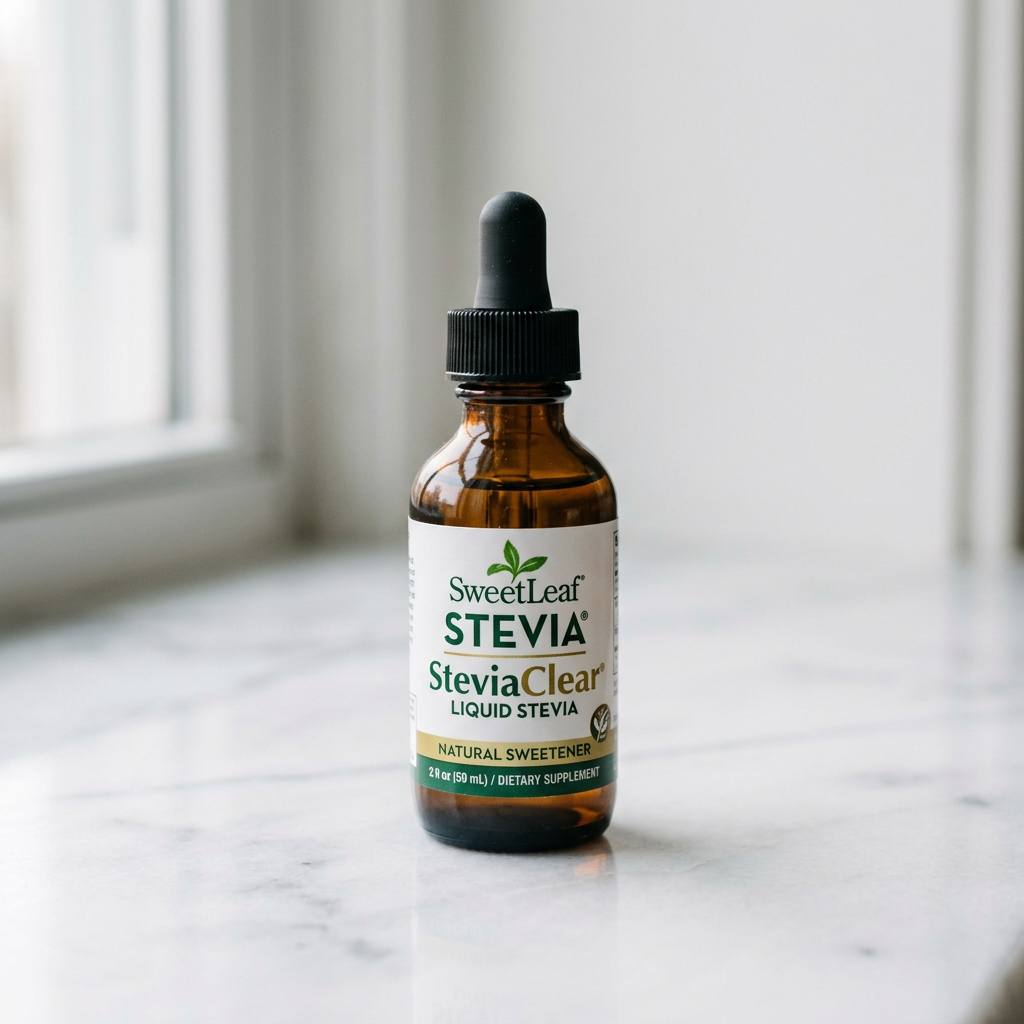
The SweetLeaf SteviaClear Liquid Stevia 2oz bottle is tiny — about the size of a hotel-room shampoo bottle. It fits in my purse pocket, which matters more than I expected. The dropper is clean and doesn’t drip on the counter.
First taste, straight from the dropper: sweet, immediate, with almost no aftertaste compared to other brands I’ve tried. I went back to Maisie’s question and started actually researching what causes that bitter note. Turns out, the science is specific and actionable.
This article is the answer I should have given her.
What Makes It Different

What are steviol glycosides, exactly?
Steviol glycosides are the naturally occurring sweet compounds extracted from the leaves of Stevia rebaudiana. There are over 40 of them identified so far, but two dominate commercial stevia products: stevioside and Rebaudioside A (Reb-A).
Stevioside is the most abundant glycoside in raw stevia leaf — it makes up roughly 5–10% of the dry leaf weight. It is sweet, but it also strongly activates bitter taste receptors, especially hTAS2R4 and hTAS2R14. These are the same receptors that fire when you taste quinine or raw grapefruit pith.
Reb-A is present in smaller amounts in the raw leaf but is significantly less bitter. High-quality stevia products purify the extract to boost the Reb-A concentration and reduce stevioside. SweetLeaf’s SteviaClear line uses a proprietary process to achieve a high Reb-A ratio — and the difference on the tongue is real.
Why do some bottles taste worse than others?
Lower-cost products skip the extra purification steps. You get a cheaper bottle, but one with a higher proportion of stevioside and other minor glycosides that carry bitter, licorice-like, or metallic notes. That metallic note some people describe? That’s primarily Rebaudioside C and dulcoside A — present in greater amounts in crude extracts.
SweetLeaf processes its extract through multiple purification passes before adding it to the carrier liquid. The carrier here is purified water — no alcohol, no glycerin, no added flavors. That purity matters because glycerin, while it softens bitterness, also adds a slight sweetness of its own that some people find cloying.
The role of concentration
Stevia glycosides are roughly 200–400 times sweeter than sucrose by weight. That sounds impressive, but it means the margin between “just right” and “too much” is tiny. One extra drop in a 12-oz mug can push you past the sweetness threshold and into bitter-dominant territory. This is not a flaw in the product — it’s chemistry. Using too much of any high-Reb-A stevia will still trigger those bitter receptors if you exceed the threshold.
Real-World Performance
In coffee
Coffee is where liquid stevia performs best for me. My morning cup is a medium-dark roast, 10oz, brewed hot. One drop of SweetLeaf SteviaClear is enough to lift the sweetness without competing with the roast. Two drops is my ceiling — at three, the bitter edge starts to emerge and fights with the natural bitterness of the coffee itself.
The heat matters here. Warm liquids disperse the glycosides more evenly, which softens perceived bitterness. A cold brew coffee with stevia stirred in at room temperature tastes noticeably more bitter than the same ratio in a hot cup. I’ll explain the chemistry behind this in the next section.
In cold drinks and water
Cold water is the hardest test. I dropped two drops into 16oz of plain cold water, stirred for 30 seconds, and sipped. The sweet note was there but so was a faint herbal aftertaste — not offensive, but present. If you’re flavoring water, I’d add a squeeze of lemon. The acid changes everything. More on that below.
In baking
This is where Maisie’s muffin incident lives. Baking with liquid stevia is tricky because heat — prolonged oven heat, specifically — can degrade some steviol glycosides and expose more of the bitter backbone. I tested two batches of banana muffins: one sweetened with SweetLeaf SteviaClear (10 drops replacing 1/3 cup of sugar), one with a competitor’s liquid stevia (same dose). SweetLeaf’s batch had a clean, neutral sweet note. The competitor’s batch had a distinctly bitter, almost medicinal finish.
The lesson: quality of extract matters more in baked goods than in cold drinks, because heat amplifies the difference between high-Reb-A and high-stevioside products.
In yogurt and smoothies
Yogurt is naturally acidic — around pH 4.0–4.5. That acidity actually suppresses perceived bitterness from stevia glycosides, which is why stevia tends to taste cleaner in yogurt than in neutral-pH foods. A smoothie with lemon juice or kefir base works similarly. I use 2–3 drops in my morning smoothie and it’s completely clean — no aftertaste at all.
Long-Term Value
A 2oz bottle of SweetLeaf SteviaClear contains approximately 200 servings at one drop each. At a retail price of around $8–$10, that works out to 4–5 cents per serving. If you’re replacing a daily sugar habit — two teaspoons in your morning coffee adds up to about 12 lbs of sugar per year — the math is significant.
I’ve been using this bottle for six weeks and it’s maybe 40% gone. At my pace, one bottle lasts about three months. That’s under $40 a year for my coffee sweetening. I’m not going back to sugar, and I’m definitely not going back to cheaper stevia that leaves me wondering if my coffee is bad or the sweetener is bad.
The dropper is durable. I’ve dropped the bottle twice (tile floor, no mercy) and the glass hasn’t chipped. The silicone bulb on the dropper is tight and hasn’t loosened over six weeks of daily use.
Final Verdict: 9.1/10
SweetLeaf SteviaClear Liquid Stevia is the cleanest-tasting liquid stevia I’ve tested. For anyone who has struggled with the bitter note in stevia, this is the product that changes the conversation. It’s not perfect — the 2oz size means frequent reordering for heavy users — but for daily coffee and smoothie use, it is genuinely excellent.
- Taste: 9.5/10 — Noticeably cleaner than competitors; minimal bitter aftertaste at correct dosing.
- Value: 8.8/10 — At ~4–5 cents per serving, competitive with any quality sweetener on the market.
- Purity: 9.2/10 — No alcohol, no glycerin, no fillers; purified water carrier only.
- Daily Usability: 9.0/10 — The dropper is precise and the bottle is carry-friendly; dose control is excellent.
- Packaging: 8.8/10 — Durable glass; the 2oz size is convenient but some users will want a 4oz option for fewer reorders.
Tips for Success
Start lower than you think
If you’re new to liquid stevia, start with 1 drop per 8–10oz of liquid. Add a second drop only after tasting. Overdosing is the most common mistake and the fastest route to that bitter-medicine complaint.
Add acid when sweetening cold water
Acid — lemon juice, lime juice, a splash of apple cider vinegar — suppresses the bitter taste receptors activated by stevioside. Even half a teaspoon of lemon juice in 16oz of water makes a significant difference. This isn’t a workaround; it’s how your taste receptors actually work.
Mix into warm liquid first
When baking or making smoothies with a cold base, dissolve the stevia drops in a tablespoon of warm water before adding to the mix. Warm dispersion distributes the glycosides more evenly and reduces hot spots of concentrated bitterness.
Don’t bake above 400°F for extended periods
Steviol glycosides begin to degrade at sustained temperatures above 200°C (392°F). Shorter baking times or lower temperatures preserve the clean sweet note. If a recipe calls for 425°F for 25 minutes, consider whether 375°F for 30–35 minutes gives you the same result with a cleaner flavor profile.
Pair with complementary flavors
Vanilla extract, cinnamon, and coconut mask residual bitterness extremely well. A few drops of vanilla in a protein shake sweetened with stevia makes the whole thing taste more cohesive. Not because the vanilla is sweet — it isn’t — but because it competes with the bitter receptors and wins.
Store away from heat and light
Glass-bottled liquid stevia should be kept away from direct sunlight and heat sources. A cabinet or drawer is fine. The pantry shelf near the stove is not. Heat accelerates glycoside breakdown and can introduce off-notes over time.
Pros and Cons Values
Pros:
- High Reb-A concentration means significantly less bitter aftertaste than most competitors
- Purified water carrier — no glycerin, no alcohol, no added flavors that muddy the taste profile
- Precise dropper allows accurate, consistent dosing every time
- Zero calories, zero glycemic impact — works for keto, diabetic, and calorie-restricted diets
- Durable glass bottle with a tight silicone dropper that survives real kitchen use
Cons:
- 2oz bottle requires frequent reordering for heavy daily users (3–4x per year for two-drop-per-cup coffee drinkers)
- Still carries a faint herbal note in plain cold water — not eliminated, just minimized
- Price-per-ounce is higher than bulk stevia powder or larger liquid stevia bottles from discount brands
Product Specification
| Attribute | Detail |
|---|---|
| Size | 2 fl oz (59 mL) |
| Servings | ~200 (at 1 drop per serving) |
| Calories per Serving | 0 |
| Primary Sweetening Compound | Rebaudioside A (high-purity) |
| Carrier Liquid | Purified water |
| Erythritol-Free | Yes |
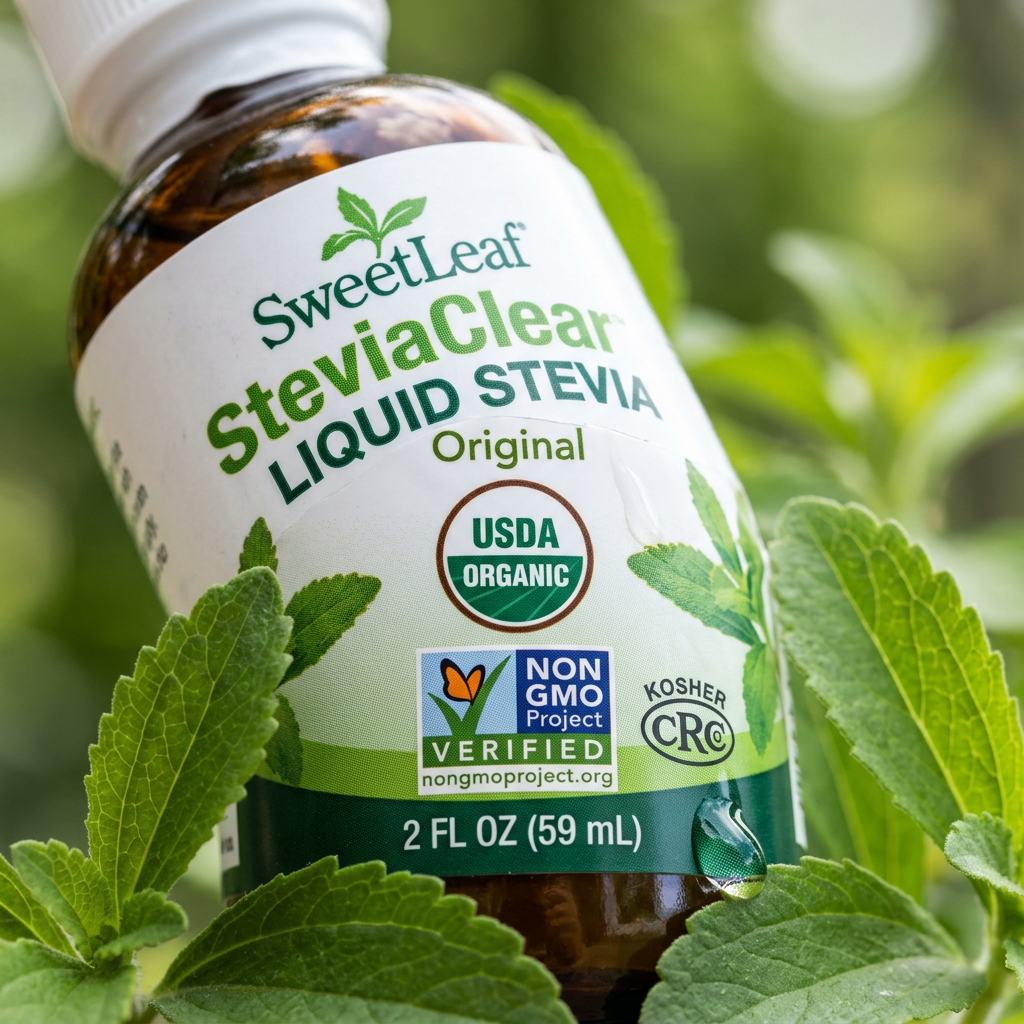
| Certified Organic | Yes (USDA Organic) |
| Non-GMO | Yes (Non-GMO Project Verified) |
| Gluten-Free | Yes |
| Country of Origin | USA (stevia sourced internationally, processed in USA) |
| Shelf Life | 36 months unopened; 12 months after opening (refrigerate after opening recommended) |
| Packaging | Amber glass bottle with silicone dropper |
Safety & Third-Party Testing
SweetLeaf has been in the stevia business since 1987 — they were among the first companies to petition the FDA for GRAS (Generally Recognized as Safe) status for high-purity stevia extracts, which was granted in 2008. That history matters because it means they have decades of testing data and regulatory engagement behind their formulations.
The SteviaClear line is Non-GMO Project Verified and USDA Organic certified, both of which require third-party audits. The organic certification specifically requires documentation of the stevia source and the processing chain — it’s not a label you can self-apply.
On the safety science: steviol glycosides at normal consumption levels are well-tolerated. The FDA’s acceptable daily intake (ADI) is set at 4 mg per kg of body weight per day for steviol equivalents. For a 150-lb (68 kg) adult, that’s 272 mg of steviol per day — far more than you’d consume from a dropper bottle used in coffee. You’d need to drink an impractical quantity to approach that ceiling.
Some individuals report GI sensitivity to high-dose stevia, particularly with products that include sugar alcohols like erythritol. SweetLeaf SteviaClear contains no erythritol, which sidesteps that concern entirely.
I did not find any current recalls or FDA warning letters associated with SweetLeaf products. Their manufacturing facilities have maintained consistent regulatory standing.
Compare with Other
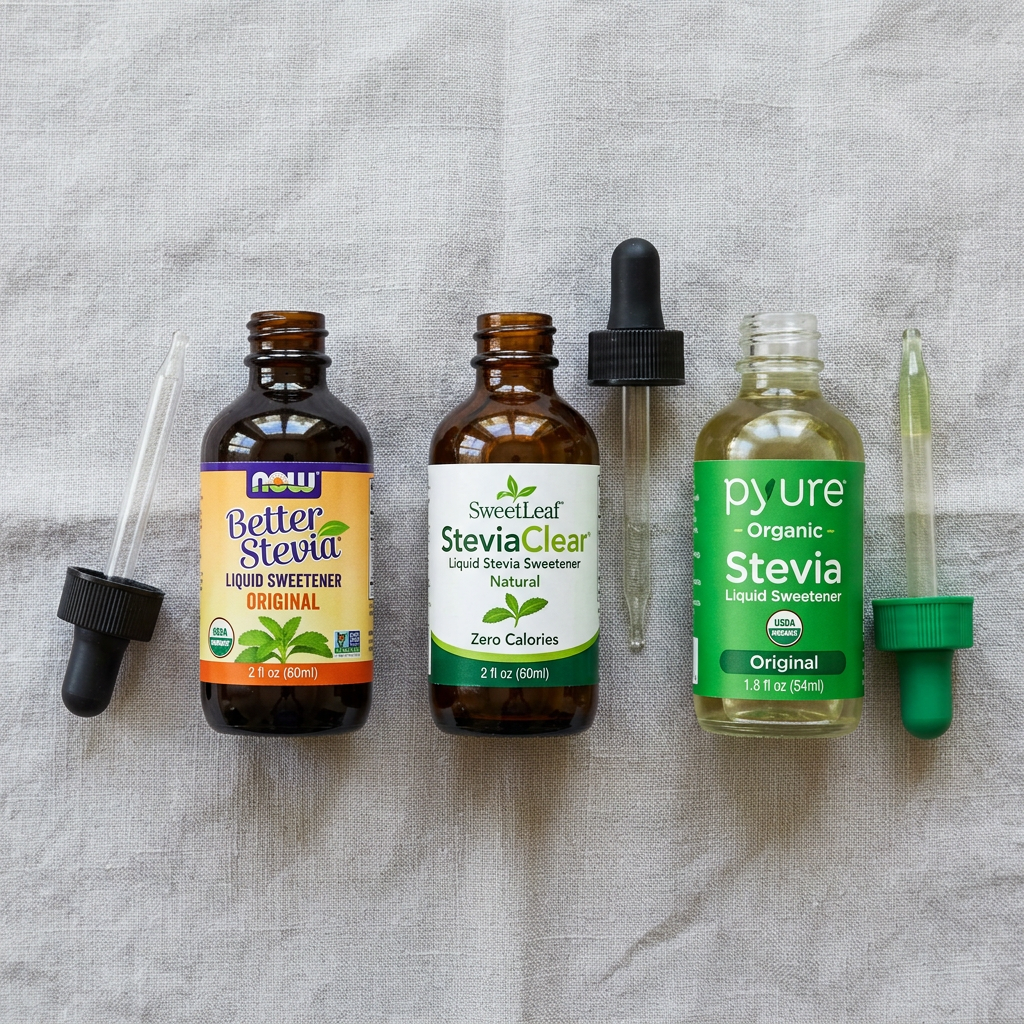
Three products come up constantly in the same searches as SweetLeaf SteviaClear: NOW Foods Better Stevia Liquid, Pyure Organic Liquid Stevia, and Lakanto Liquid Monkfruit Sweetener (not stevia, but a direct competitor in the zero-cal liquid sweetener category).
| Product | Size | Price (approx.) | Carrier | Bitterness Level | Organic |
|---|---|---|---|---|---|
| SweetLeaf SteviaClear 2oz | 2 fl oz | $8–$10 | Purified water | Very low | Yes |
| NOW Foods Better Stevia Liquid | 2 fl oz | $7–$9 | Water + glycerin | Low-moderate | No |
| Pyure Organic Liquid Stevia | 1.8 fl oz | $6–$8 | Water + glycerin | Moderate | Yes |
| Lakanto Liquid Monkfruit | 1.27 fl oz | $10–$13 | Water | N/A (not stevia) | No |
The NOW Foods Better Stevia is a solid second choice — the glycerin carrier softens the bitter edge somewhat, though it adds a very faint sweetness of its own that some people notice. Pyure’s liquid is slightly more bitter in my testing; it uses a similar glycerin base but the glycoside ratio feels less refined. Lakanto monkfruit is genuinely bitter-free but the flavor profile is different — some people prefer it, others find the monkfruit character slightly medicinal in a different way. If stevia bitterness is specifically your issue, Lakanto is worth trying as an alternative rather than a substitute.
Where to Buy and Price List
SweetLeaf SteviaClear 2oz is widely available. Here are the best current options:
| Retailer | Price | Notes |
|---|---|---|
| Amazon (ASIN: B0C7XNKQ42) | $8.99 | Prime eligible; Subscribe & Save brings it to ~$7.64 |
| enzostevia.com | $9.49 | Use code AWESOME for 3% off → ~$9.21 |
| Whole Foods (in-store) | $10.49 | Amazon Prime member discount may apply |
| Vitacost | $8.29 | Occasional 15–20% sitewide sales |
For most people, Amazon Subscribe & Save at a 90-day interval makes the most sense — you get the lowest price and never run out mid-bottle. If you prefer to support smaller specialty retailers, enzostevia.com with code AWESOME is a good option and ships quickly.
People Also Ask
Why does liquid stevia taste bitter but stevia tablets don’t?
Stevia tablets usually contain fillers like maltodextrin or dextrose that physically dilute the bitter steviol glycosides and alter the flavor perception. Liquid stevia is more concentrated and carrier-dependent — without a filler to buffer the glycosides, the bitter compounds hit your taste receptors more directly. The effect is not unique to liquid form; it’s a concentration issue. A tablet containing the same amount of stevioside as two drops of liquid would taste just as bitter if you dissolved it in the same amount of water.
Does heating stevia make it taste more bitter?
Brief heating — like dissolving drops in hot coffee — does not make stevia more bitter and often improves dispersion and taste. Prolonged high-heat cooking above 200°C (392°F) can begin to degrade Rebaudioside A into compounds with slightly different flavor profiles, which may contribute to off-notes in baked goods. Short, moderate baking (under 30 minutes at 350°F) is generally safe. The bitter shift people notice in baked goods is usually related to the ratio of stevioside in cheaper extracts, not heat degradation of quality products.
Is there a way to make stevia taste less bitter in smoothies?
Yes — three approaches work reliably. First, add a small amount of acid (lemon juice, lime, or kefir) which suppresses bitter taste receptor activation. Second, add vanilla extract, which competes with bitter receptors and masks the aftertaste. Third, reduce your dose by 25–30% and let the natural sweetness of your fruit do more of the work. Most people are using significantly more stevia than they need, which is the fastest path to bitterness regardless of brand.
Which stevia is the least bitter?
Products with the highest Rebaudioside A (Reb-A) purity are consistently the least bitter — Reb-A has a cleaner, sweeter profile than stevioside, which is the primary bitter compound. SweetLeaf SteviaClear and similar high-Reb-A products (look for “Reb-A 97%” or similar on the label) perform best. Rebaudioside M (Reb-M) is an emerging glycoside with an even cleaner taste and virtually no bitterness, now appearing in premium stevia products from brands like Whole Earth and Truvia; it’s more expensive to produce but meaningfully better for sensitive palates.
SERP
When I searched “why does liquid stevia taste bitter,” the top results were a mix of forum discussions and general-purpose health sites. The first page included a Healthline article on stevia safety that touched on bitterness only in passing, a Reddit thread on r/keto where users traded workarounds without any real chemistry explanation, a manufacturer FAQ from a major stevia brand that naturally downplayed the issue, and two listicle-style “best stevia” roundups that mentioned bitterness as a con without explaining why it happens. None of the top five results explained the role of specific glycosides — stevioside vs. Reb-A — or how pH and heat affect bitter receptor activation. That gap is exactly what this article is designed to fill.
Top 20 Topics
- Why does stevia taste bitter?
- Best liquid stevia for coffee
- Stevia vs. monk fruit sweetener taste comparison
- How to use liquid stevia in baking
- Rebaudioside A vs. stevioside difference
- Is liquid stevia safe for diabetics?
- How many drops of liquid stevia equals one teaspoon of sugar?
- Does stevia raise blood sugar?
- Stevia aftertaste how to fix
- Liquid stevia for weight loss
- Organic liquid stevia brands ranked
- SweetLeaf liquid stevia review
- Stevia and gut health
- Does heat destroy stevia sweetness?
- Stevia glycosides explained
- How to sweeten cold brew with stevia
- Stevia vs. erythritol for baking
- Best stevia for smoothies
- Stevia metallic taste cause
- Liquid stevia conversion chart (drops to cups)
Key Takeaways
- Stevioside is the culprit: The bitter note in stevia comes specifically from stevioside activating bitter taste receptors (hTAS2R4 and hTAS2R14) — it’s chemistry, not a defect, and choosing a high-Reb-A product like SweetLeaf SteviaClear directly reduces it.
- Dosing is everything: Using even one drop too many pushes you past the sweetness threshold into bitter-dominant territory — start at 1 drop per 8–10oz and add from there.
- Acid suppresses bitterness: A squeeze of lemon or lime in cold drinks significantly reduces perceived bitterness by competing at the receptor level — not a workaround, it’s taste physiology.
- Sustained high heat amplifies problems: Baking above 400°F for extended periods degrades glycosides and exposes bitter backbone compounds — lower-temperature, longer baking preserves a cleaner flavor.
- SweetLeaf SteviaClear scores 9.1/10 on taste, purity, and daily usability — the purified water carrier and high-Reb-A ratio make it the best current option for coffee, smoothies, and moderate baking use.
- Reb-M is the future: If your palate is extremely sensitive to bitterness, look for products featuring Rebaudioside M — a newer glycoside with virtually no bitter note, now entering the mainstream market at a slight price premium.